



ADLINK Launches COM-HPC Modules Powered by Ampere Altra SoCs for Embedded Edge Computing
ADLINK Technology has unveiled an 80‑core Arm‑based COM‑HPC server module that introduces Ampere Altra SoCs into the embedded systems arena.
Designed for edge platforms that demand consistent, high‑performance compute, the COM‑HPC Ampere Altra module removes bottlenecks usually imposed by limited memory caches and system memory on edge devices. Built on the Ampere Altra SoC powered by Arm Neoverse N1, it delivers premium performance within a modest thermal envelope, offers a lower total cost of ownership compared to x86 alternatives, and consumes significantly less power.
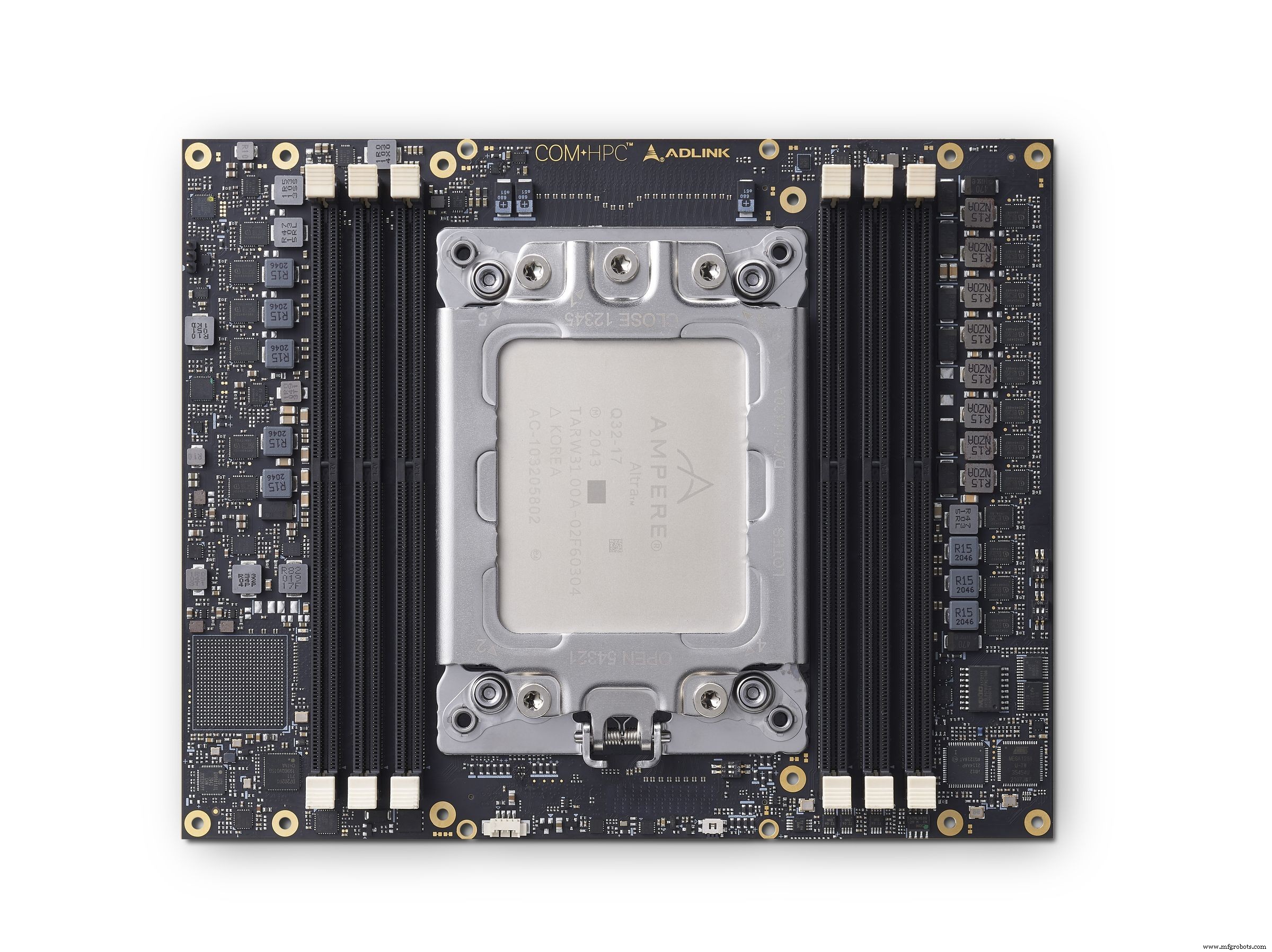
The module offers an impressive performance‑to‑power ratio, packing 80 Arm v8.2 64‑bit cores clocked up to 2.8 GHz within a 175‑W envelope. It also features three PCIe Gen4 x16 lanes, enabling robust, homogeneous compute for demanding real‑time workloads—autonomous driving, stationary and mobile robotics, medical imaging and robotic surgery, test and measurement, and video broadcasting. Additionally, it serves as an ideal native arm64 development and compilation platform for low‑power embedded designs.
During a briefing with embedded.com, ADLINK’s Director of Embedded Boards and Modules, Henk van Bremen, highlighted that Ampere’s SoC has a proven track record in cloud computing, and the new COM‑HPC module extends that performance to the embedded domain. He noted that the COM‑HPC Ampere Altra is Arm SystemReady SR‑compliant, guaranteeing out‑of‑the‑box support from a wide range of operating systems, hypervisors, and software.
“Arm’s architecture is now open and integrable with ecosystems like Ubuntu and Yocto downstream, enabling scalable, interoperable solutions across the market,” van Bremen added.
Jeff Wittich, Chief Product Officer of Ampere, said, “Ampere Altra delivers the scalable power and performance needed for use cases ranging from autonomous vehicles to medical instrumentation and industrial robotics. By partnering with ADLINK on the COM‑HPC family, we provide industries with new choices for power‑efficient, high‑performance SystemReady designs that can be deployed in vehicles and other edge devices that previously relied only on x86 options.”
ADLINK emphasized that the collaboration with Ampere and Arm, leveraging the Arm Neoverse N1‑based Ampere Altra SoC, delivers a high‑performance‑per‑watt architecture that lets partners process data‑intensive workloads at the edge without significant upfront costs, overheating concerns, or ongoing maintenance expenses.
As one of the first Arm SystemReady SR‑certified SoCs, Ampere Altra is at the forefront of this initiative. ADLINK is working closely with Ampere and Arm to certify the COM‑HPC Altra prototype as a SystemReady SR device. The module supports the open‑source edk2 bootloader with UEFI, allowing customers to simply download a stock aarch64 (arm64) ISO such as Ubuntu and run it via a live ISO boot, mirroring the convenience developers enjoy with x86/amd64 systems.
Supporting the Software‑Defined Car with Arm and Partners
The module scales from 32 to 80 Arm v8.2 64‑bit cores (60 to 175 W), forming the foundation of Arm’s new Scalable Open Architecture for Embedded Edge (SOAFEE) to accelerate software‑defined automotive architectures.
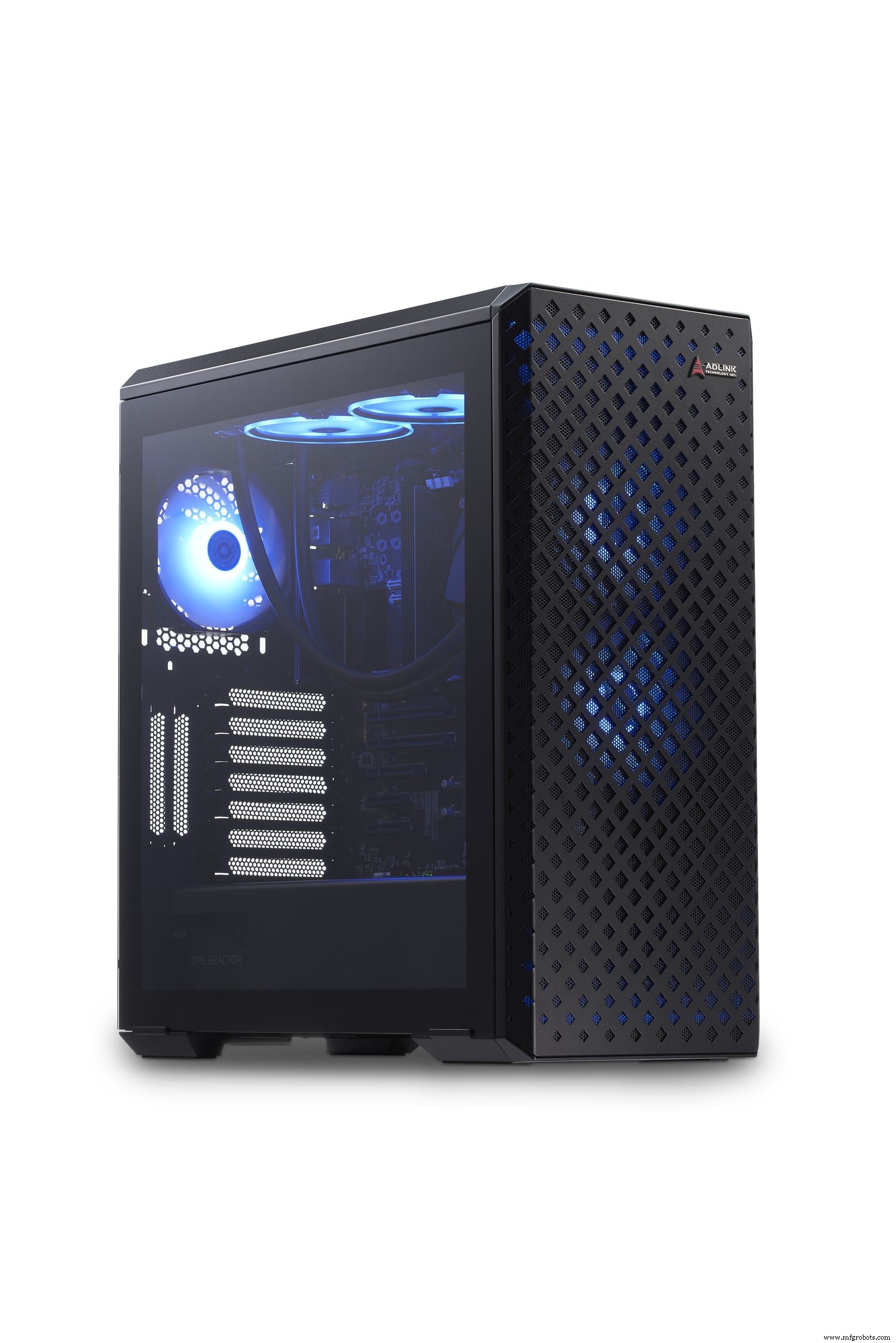
SOAFEE’s reference hardware includes ADLINK’s 32‑core default COM‑HPC Ampere Altra‑powered AVA Developer Platform for automaker development and testing, and the 80‑core default COM‑HPC Ampere Altra‑powered AVA‑AP1 for in‑vehicle prototyping.
The SOAFEE platform responds to the automotive industry’s shift from hundreds of discrete ECUs to fewer, more powerful domain controllers—eventually consolidating all functions onto a single Arm SoC capable of handling mixed criticality.
“ADLINK has identified Ampere Altra as the ideal foundation for automaker development platforms while awaiting next‑generation silicon IPs,” said Joe Speed, ADLINK Field CTO. “Combining SOAFEE with ADLINK’s COM‑HPC Ampere Altra reference platforms brings cloud technologies, CI/CD, virtualization, and security best practices straight to the developer’s desk and vehicle.”
Prototype samples are already being shipped to key ecosystem partners, and ADLINK is accepting pre‑orders. Van Bremen noted, “The Arm‑64 ecosystem for software development has been scarce; this addresses that gap. We have already shipped 30 systems to Arm and select customers.”
Embedded
- Leveraging Embedded AI to Convert Big Data into Actionable Smart Insights
- OSM Standard Sets New Benchmark for Miniaturized Computer‑on‑Modules
- Marvell Deepens Strategic Alliance with Arm to Drive Next‑Gen ThunderX Server Processors
- FPGA Implementation Languages: From VHDL and Verilog to High‑Level C/C++
- FPGA Hardware Resources for High‑Performance Embedded Systems
- Getting Started with FPGA Development: Building a 4‑Bit Adder on Xilinx Artix‑7
- Embedded FPGA Design: A Complete Development Process
- Mastering FPGA Embedded Design: A Practical Implementation Guide
- Embedded FPGA (eFPGA) Technology: Revolutionizing ASIC and SoC Design
- Sierra Wireless divests automotive embedded modules to Rolling Wireless, reinforcing focus on high‑margin IoT solutions