



Subaru Adopts Xilinx FPGAs to Replace ASICs in Eyesight ADAS
Xilinx has announced that its FPGA technology powers the next‑generation of Subaru’s Eyesight stereo‑vision ADAS, now featured in the company’s latest vehicle, the Levorg. By moving away from dedicated ASICs, Subaru is deploying Xilinx’s automotive‑qualified Zynq UltraScale+ multi‑processor system‑on‑chip (MPSoC) to deliver advanced capabilities such as adaptive cruise control, lane‑keep assist and pre‑collision braking.
“Subaru previously relied on dedicated ASICs but chose Xilinx for its adaptability and the ease of firmware upgrades,” said Wayne Lyons, Director of Automotive & Strategic Customer Marketing at Xilinx. “The switch almost doubled the field of view and accelerated processing, enabling precise curve prediction and robust sensor fusion between radar and forward cameras.”
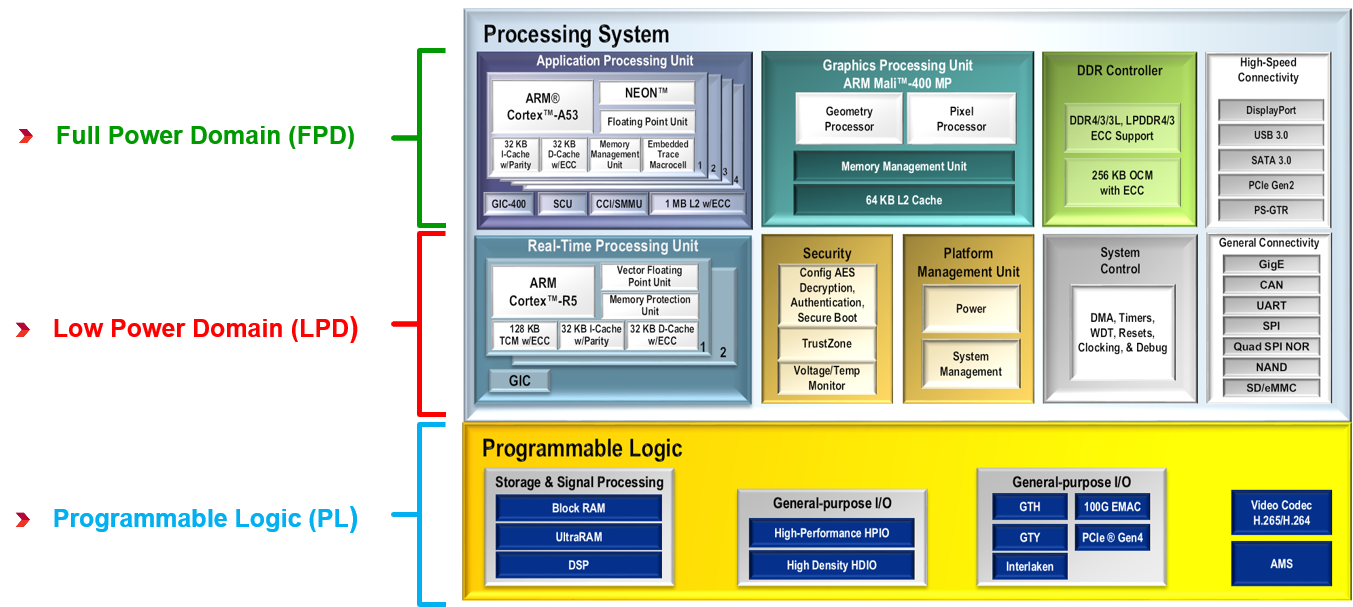
The multi‑processor SoC FPGA used in the Subaru Eyesight system (Image: Xilinx)
The Xilinx MPSoC converts stereo images into ultra‑low‑latency 3D point clouds that meet ASIL functional‑safety requirements. The latest Eyesight iteration enhances urban safety by detecting pedestrians at intersections, steering‑based avoidance, and monitoring driver state for distraction, unconsciousness or unintended acceleration.
Subaru’s CTO, Tetsuo Fujinuki, emphasized the centrality of stereo cameras: “Unlike conventional approaches, our image‑processing engine scans every frame from the stereo cameras to build high‑precision 3D point clouds. This capability unlocks features like pre‑collision braking at intersections and hands‑off driving in congested traffic. Xilinx’s automotive devices, with built‑in ASIL compliance, are indispensable to our new ADAS vision system.”
Xilinx reports having shipped over 190 million automotive devices worldwide, with 75 million deployed in production ADAS systems. The company partners with more than 200 automotive entities—including Tier 1 suppliers, OEMs and startups—and secured the Subaru contract through its latest tier‑1 partner, Veoneer.
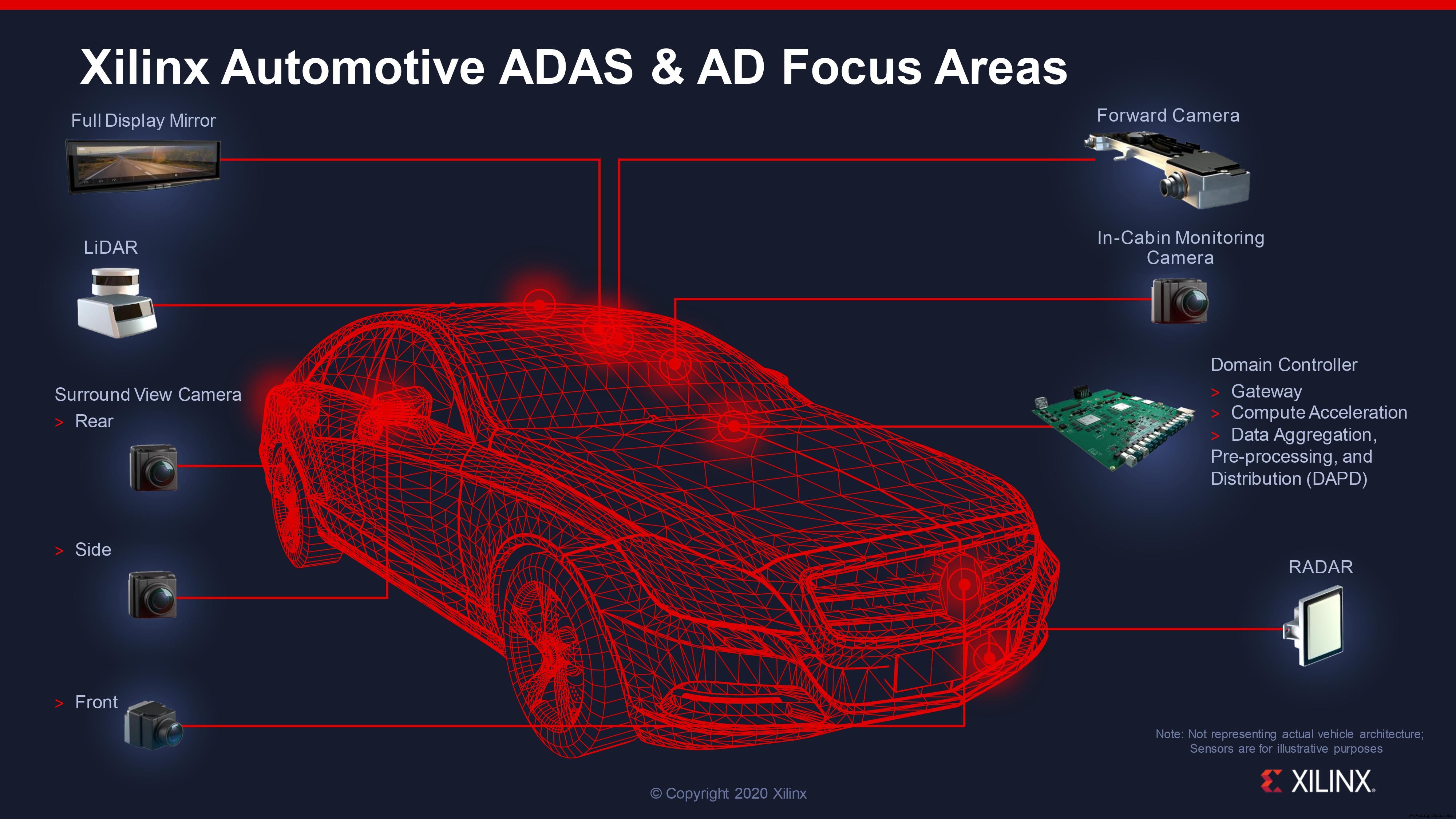
Xilinx has shipped 190 million devices for automotive use, with 75 million used for production ADAS deployments. The biggest area is the forward camera. (Image: Xilinx)
Over the past four years, Xilinx has averaged 19.3 million automotive units per year, with the forward camera market leading. “Surround cameras and in‑cab monitoring are growing rapidly, driven by legislation,” Lyons added. “We hold a 50 % share of the in‑cab monitoring market. For example, Daimler, through partner Seeing Machines, employs AI to predict in‑cab activity. There is also significant interest in imaging‑based 4D radar for high‑end systems.”
>> This article was originally published on our sister site, EE Times.
Embedded
- Embedded System Programming: Languages, Architecture, and Applications
- Embedded Systems Fundamentals & Real-World Applications
- Mastering C# Using Statements: Imports, Aliases, and Static Directives
- iWave Launches VxWorks 21.03 BSP for Xilinx UltraScale+ MPSoC, Boosting Safety & Real‑Time Performance
- Specialized Materials Enhance ADAS Reliability and Efficiency
- Mastering Asynchronous Reset Synchronization in ASICs and FPGAs
- TI Unveils Jacinto‑Powered ADAS & Gateway Processors Featuring Integrated Functional Safety MCU
- Embedded FPGA Design: A Complete Development Process
- Mastering FPGA Embedded Design: A Practical Implementation Guide
- Advantech Unveils EPC‑T2286: 1U Thin Bare‑bone System with 8th‑Gen Intel Core, 4K Dual‑Display and WISE‑PaaS IoT