



Adaptive ANC Solutions Deliver Superior Audio Performance
While active noise cancellation (ANC) has long been a staple for audiophiles, its role in today’s market has expanded dramatically since 2019, when a leading Californian brand launched the first earbuds equipped with ANC. This milestone sparked widespread awareness, making ANC a non‑negotiable feature for true‑wireless (TWS) earbuds and headsets alike.
Static ANC Solutions
For the past decade, most headsets relied on discrete components. At that time, only a handful of semiconductor firms had invested in miniaturizing ANC electronics, limiting innovation. Figure 1 shows a typical static ANC circuit: all filter stages were fixed, with the only tuning option being mechanical potentiometers set during mass production to offset electro‑acoustic tolerances.
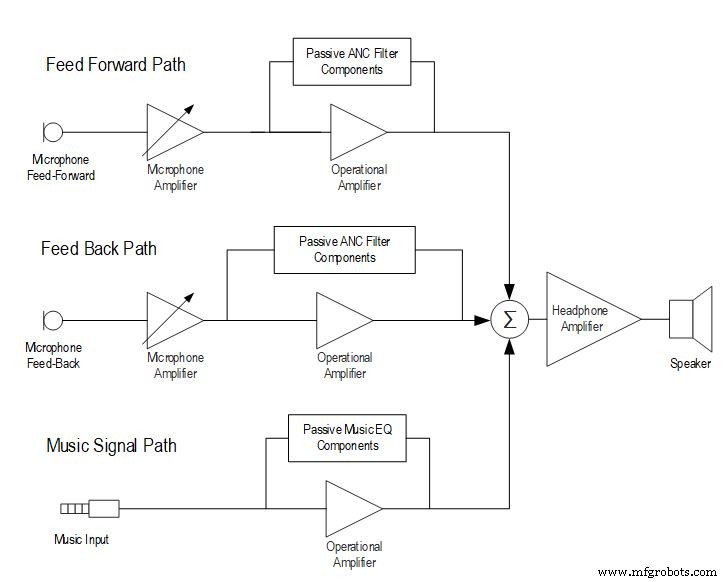
Figure 1: Typical discrete and static ANC Circuit.
Over the last five years, digital ANC solutions have proliferated, offering several advantages: no need for soldered RC components, the possibility of firmware updates to improve performance, and better stability during field testing. However, the core functionality remained largely unchanged, and designers still faced higher power consumption and increased latency compared to analog designs.
Adaptive ANC for Ambient Sound Detection
Advances in silicon nodes have shrunk power consumption while boosting DSP capabilities, paving the way for adaptive ANC that tailors its response to the surrounding environment. While terminology varies across the industry, the most common form of adaptive ANC relies on ambient sound detection to adjust filter characteristics.
Consider the noise profile on a commercial flight versus a bustling café. Low‑frequency jet engine rumble dominates in the former, whereas high‑frequency chatter prevails in the latter. Adaptive ANC systems detect the dominant noise frequency band and reconfigure the ANC filter coefficients accordingly, often via a secondary DSP. Figure 2 illustrates this process.
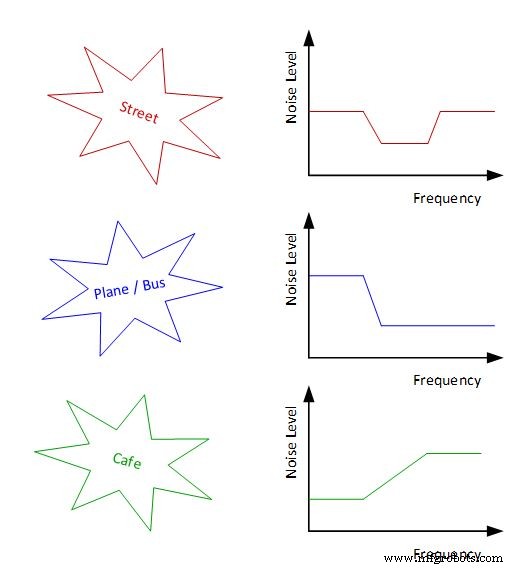
Figure 2: Adaptive ANC for ambient sound detection.
Some vendors offer multiple preset profiles (e.g., office, café, plane), selectable through an MCU or user interface. More advanced solutions employ neural‑network‑based scene detection, enabling the headset to automatically choose the optimal ANC filter and even augment the hearing profile for specific environments.
Adaptive ANC with Automatic Leakage Compensation
High‑quality ANC also hinges on a proper earfit: poor sealing reduces passive attenuation, disrupting the filter’s target transfer function. Figure 4 demonstrates how leakage levels degrade ANC performance across the spectrum.
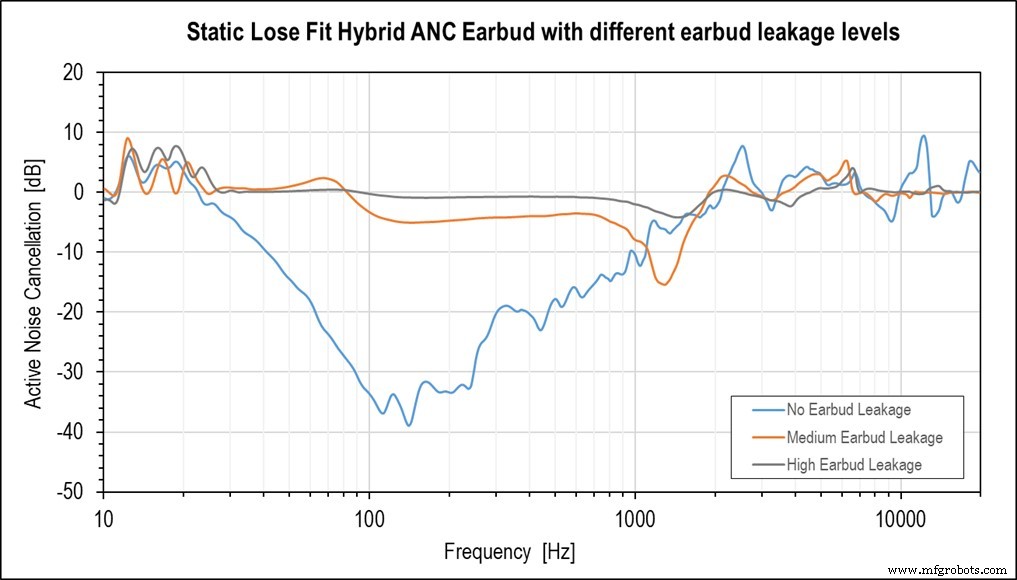
Figure 4: ANC Performance loss based on different earbud leakage levels.
Adaptive misfit compensation tackles this issue by dynamically adjusting both the feed‑forward and feed‑back ANC filters based on real‑time leakage measurements. This requires a sophisticated architecture: a low‑latency DSP that can reconfigure its transfer function on the fly, additional sensors (microphones, proximity, accelerometer) to detect fit and avoid instability, and algorithmic safeguards to prevent feedback oscillations.
Figure 5 shows target gain and phase curves for no‑leakage versus high‑leakage scenarios, underscoring why static designs falter when the earbud is loose.
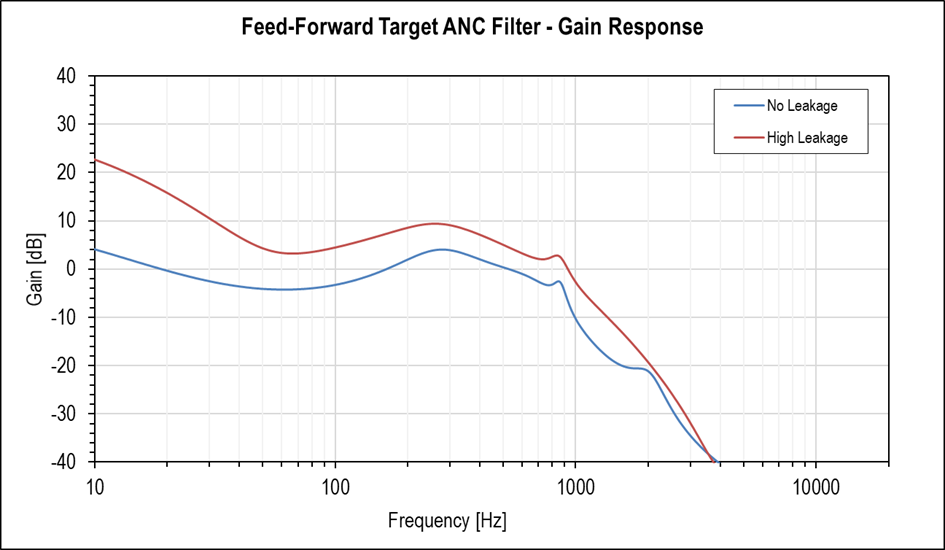
Figure 5: Target filter curves for ALC example for different leakage levels.
The high‑level block diagram in Figure 6 illustrates the additional components: dual DSPs, a secondary MCU, and sensor interfaces. The key is continuous, low‑latency reconfiguration that keeps ANC stable while adjusting to fit changes.
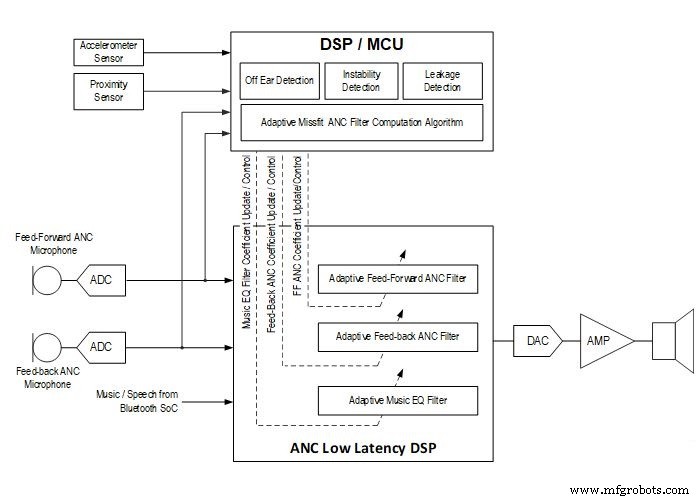
Figure 6: Adaptive ANC system for misfit compensation.
Figure 7 presents real‑world results: a loose‑fit TWS earbud employing adaptive ANC maintains superior performance across leakage levels, with only a modest dip in the very low‑frequency band due to speaker power constraints. These findings confirm that adaptive misfit compensation can reliably elevate ANC quality for diverse users.
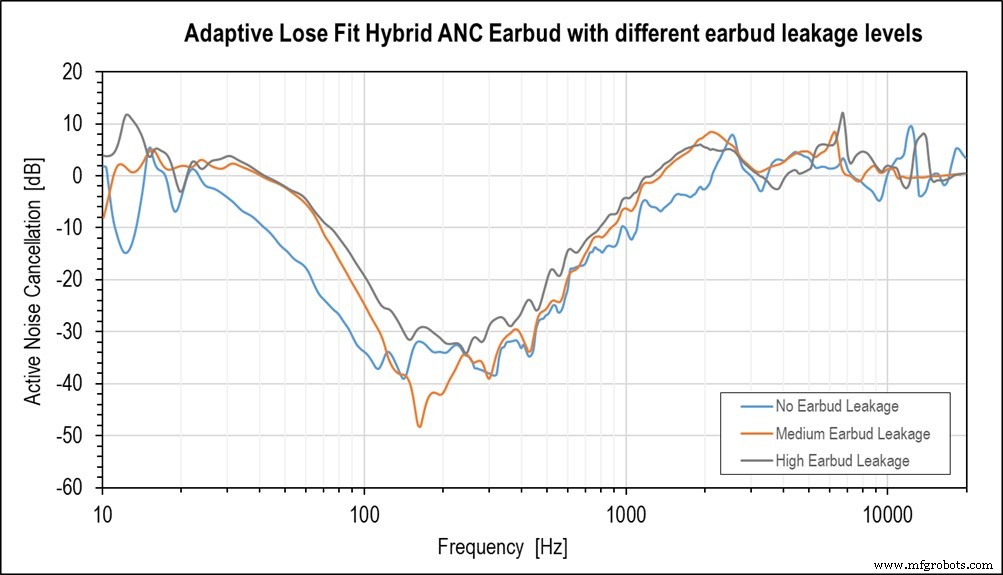
Figure 7: ALC Performance curves with different leakage levels.
Future iterations will likely merge misfit compensation with neural‑network scene detection, delivering a unified solution that automatically adapts to both environment and fit.
Do Adaptive ANC Systems Make Sense?
Personal preference plays a role: some users appreciate hands‑off performance that adjusts automatically, while others prefer manual control. Adaptive ANC is not a one‑size‑fits‑all feature, but it offers a tangible benefit for many listeners. Products can also disable the feature if desired. Engineers looking to prototype adaptive ANC solutions can explore the ams AG development platform built around the AS3460 digital augmented hearing processor. Tailor‑made tools are available upon request.
For more information, visit ams‑osram.com.
Related Contents:
- AI finds its voice in audio chain
- How audio edge processors enable voice integration in IoT devices
- Better audio processing at the edge
- Enhancing active noise cancellation with new automotive audio technologies
- Design considerations for low‑power, always‑on voice command systems
- Low‑power devices could listen with a silicon cochlea
For more Embedded, subscribe to Embedded’s weekly email newsletter.
Embedded
- From Concept to Market: IIC Testbeds Accelerate Industrial IoT Innovation
- Xilinx Strengthens Adaptive Computing with Acquisition of Falcon Computing Solutions
- How Next‑Gen PoE Powers IoT: 90 W Delivery for 5G and Beyond
- Advancing Automotive Quietness: New Audio Tech Powers Superior Active Noise Cancellation
- Analog Devices & Microsoft Partner to Deliver Ultra‑Accurate Time‑of‑Flight 3D Imaging
- Renesas and Miromico Launch Advanced LoRa Module Powered by Synergy Platform
- Kymati: Pioneering Precision Radar Solutions for Industry and Mobility
- CrossBar Pioneers ReRAM‑Based PUF Keys for Next‑Gen Hardware Security
- Vesper’s VM3011: Adaptive MEMS Microphone Delivers 10× Battery Life Extension for Always‑Listening Devices
- SICK & Vention Partner to Deliver Advanced Robot Guidance Solutions for Manufacturers