



Industrial Internet Consortium’s Connectivity Framework: Evaluating Core Standards – DDS, OPC‑UA, Web Services
The Industrial Internet Consortium (IIC) has released a pivotal component of its Reference Architecture: the Connectivity Framework document. This guide dives deep into IIoT connectivity, establishes rigorous criteria for assessing technologies, and highlights leading core standards such as DDS, OPC‑UA, and Web Services. The result is a roadmap that helps practitioners move from fragmented, proprietary solutions toward a unified, standards‑based ecosystem.
What Is Connectivity for IIoT Systems?
According to the IIC, connectivity is the capability to exchange data—sensor updates, events, alarms, status changes, commands, and configuration—among participants within a functional domain, across domains, and between systems. In practice, it is the critical, cross‑cutting layer that drives interoperability across the entire IIoT stack. The goal of the Connectivity Framework is to replace the current patchwork of vertical standards with an open, standards‑driven architecture.
From a technical perspective, Figure 1 illustrates how connectivity sits on the Network, Connectivity, and Information layers, and is divided into two sub‑layers: Transport and Framework. The Transport layer ensures technical interoperability by transmitting bits and bytes over a clearly defined protocol. The Framework layer provides syntactic interoperability by sharing structured data types—ensuring that the format of exchanged information is unambiguous and shared across endpoints.
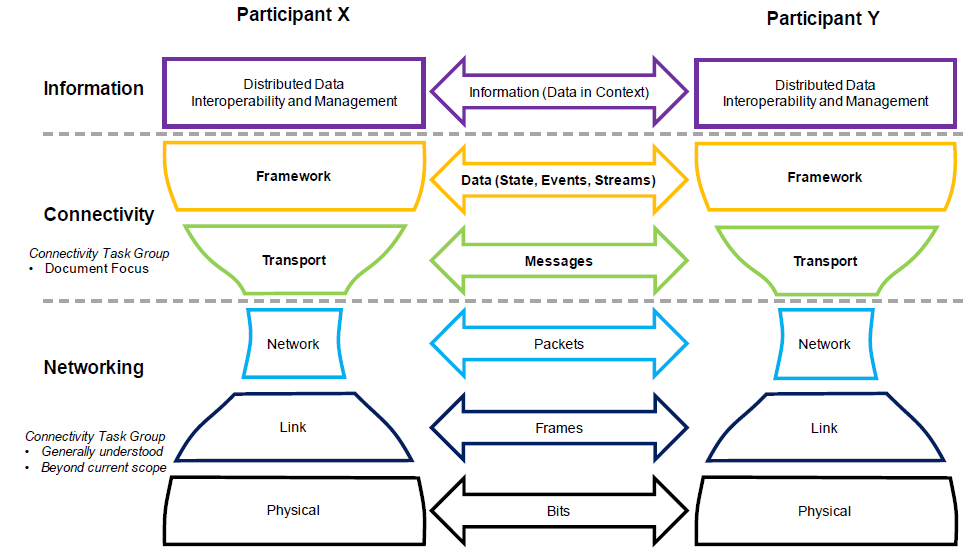
Figure 1. Connectivity stack leveraging IP and other networking primitives to convey messages and data.
The Concept of a Core Connectivity Standard
To guarantee seamless integration, the Connectivity Framework recommends a single core connectivity standard. Figure 2 shows how this standard becomes the system’s backbone, allowing native devices and applications to communicate directly, while legacy or non‑standard components are incorporated via protocol gateways or bridges. This “bus” approach normalizes diverse entities and underpins secure, device‑to‑device, device‑to‑application interoperability.
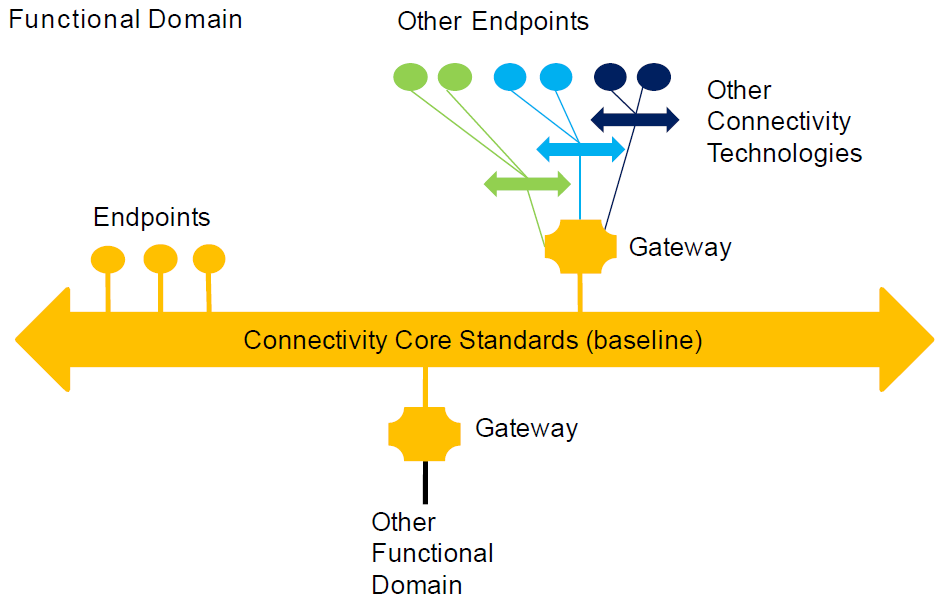
Figure 2. A core connectivity standard facilitates interoperability and streamlined integration across IIoT systems.
Evaluating Connectivity Standards
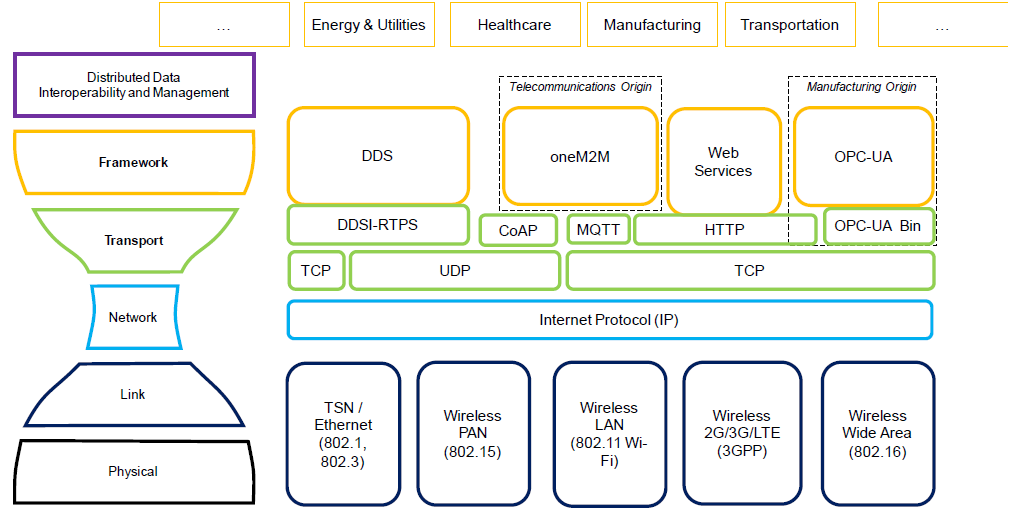
To mitigate integration challenges, the IIC provides a structured evaluation method and template for connectivity technologies. The document reviews prominent IIoT standards—DDS, OPC‑UA, HTTP/Web Services, OneM2M, MQTT, and CoAP—showing how each aligns with different layers of the connectivity stack (see Figure 3). Detailed assessments of each standard are included in the full guide.
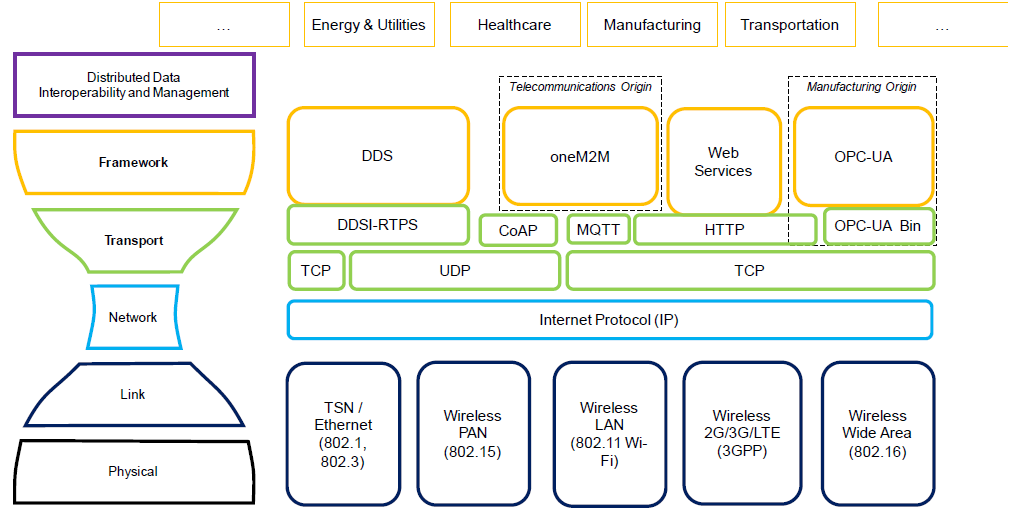
Figure 3. Placement of IIoT connectivity standards within the connectivity stack.
DDS as a Core Connectivity Standard
DDS is evaluated alongside three other candidate frameworks. The Connectivity Framework lists essential criteria for a core standard:
- Provides syntactic interoperability with a robust type system (e.g., DDS, OPC‑UA).
- Is an open standard governed by reputable bodies (IEEE, OASIS, OMG, W3C, IETF).
- Is horizontal, domain‑neutral, and widely deployed.
- Includes standards‑defined gateways to other core protocols.
- Supports core functions such as publish‑subscribe, request‑reply, and discovery.
- Meets non‑functional requirements: performance, scalability, security, etc.
- Aligns with business needs: no single‑vendor lock‑in, available SDKs, open‑source implementations.
Figure 4 demonstrates that DDS satisfies all of these criteria, positioning it as a strong candidate for cross‑industry IIoT deployments.
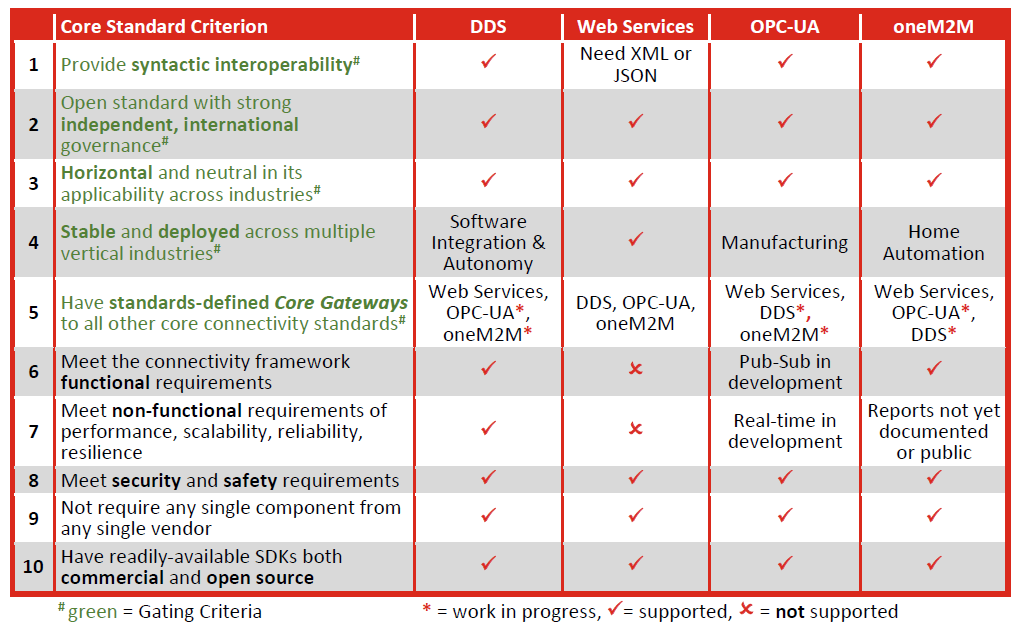
Figure 4. Core connectivity standards evaluated against the IIC’s criteria.
Comparing DDS with OPC‑UA (Figure 5) reveals complementary use cases: DDS excels at application‑to‑application integration, whereas OPC‑UA is better suited for edge devices that require a standardized interface for later system integration.
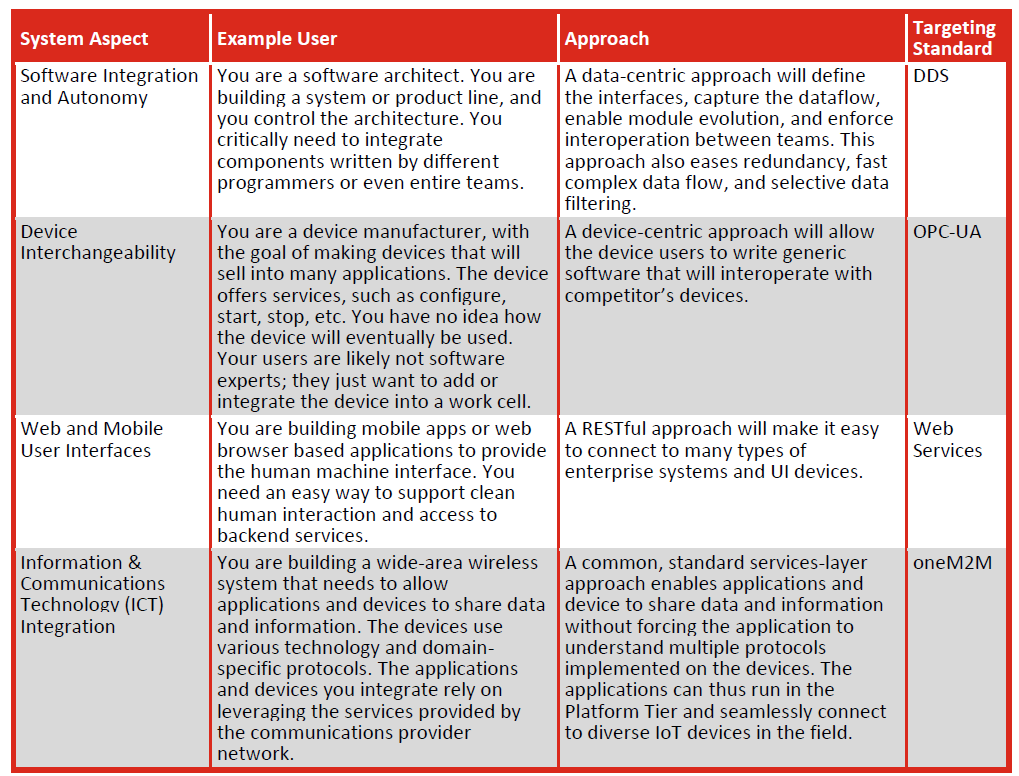
Figure 5. Distinct system aspects addressed by DDS and OPC‑UA.
In summary, the IIC Connectivity Framework offers clear, actionable guidance for selecting and evaluating core connectivity standards. Download the full document to apply its assessment profile to your own IIoT projects.
Internet of Things Technology
- Industrial Internet of Things (IIoT): What It Is, Why It Matters, and How It Drives Industrial Transformation
- Clearing the Confusion: Navigating Standards in the Industrial IoT Revolution
- Industrial Internet Security Framework: Safeguarding IIoT Systems – Why It Matters
- Architecting Connectivity in the Industrial Internet of Things
- Optimizing IIoT Connectivity with the Industrial Internet Reference Architecture
- Revolutionizing Industrial IoT Connectivity: DDS Architecture That Cuts Costs & Boosts Reliability
- Industrial Internet Consortium Celebrates 1 Year: Demo, Keynote & Testbed Insights
- Choosing the Ideal Programming Language for Industrial IoT Solutions
- Industrial IoT Platform (IIoT): Transforming Manufacturing with IXON Cloud
- Elevating Manufacturing Excellence with Industry 4.0: The Rise of Quality 4.0