


Industrial manufacturing
Metal

Plasma cutting is a CNC cutting process in which a jet of hot plasma is used to cut material. In this process, electrical energy and heat are applied to a gas, causing its molecules to vibrate violently, and turning the gas into plasma. High-pressure compressed air or inert gas is
Waterjet cutting is a CNC cutting process in which a waterjet at very high pressure is used to cut material. In this process, a high-pressure pump forces water through specialized tubing, and out through a nozzle at very high speeds (up to 900 m/sec). The nozzle focuses the waterj
Bending is a form of deformation, one of three primary processes in sheet metal fabrication; the other two being cutting and joining. Bending is done by holding the workpiece in position using clamps or dies and strategically applying force on an area of a workpiece. The force applie
In sheet metal fabrication, curving sheets according to a specific bend radius is one of the most common operations used to create flanges, curls, seams etc. Moreover, bending imparts much strength to the sheet metal compared to their flatter counterparts. For example, an al
The overall production cost of sheet metal operations depends on material costs and machining costs where the former occupies a major proportion. This is why nesting your parts in the file is an important step of the designing process for sheet metal projects. What is nesting for
Metal alloys are some of the most unique materials that we create. Many industries rely on metal alloys to create their products or machinery. To concoct various metal alloys, manufacturers use specific combinations of metals and substances to create a material with unique and useful propertie
There are many alloys that manufacturers use to create machine parts and components. One of the most popular options for manufacturers is aluminum bronze. Aluminum bronze alloys have many useful properties, such as high corrosion resistance, durability, weldability, and strength. Because of th
There are multiple heat treatments out there that industries use to reshape and condition quality metals, such as stainless steel or nickel alloy 400. Two popular heat treatments are tempering and annealing. Even though tempering and annealing are both heat treatments, they each have unique pr
One metal that you’ll find in almost every industry is copper nickel alloy. Currently, our copper nickel bar is one of our most popular metals due to its many benefits and applications. Find out more about copper nickel alloy, its properties, and its applications here. Corrosion Resistance Wit
At Diversified Metal, we are an ISO-certified business. This certification means that our metal products, such as our aluminum silicon bronze alloy, are all high-quality products that you can trust for your applications. If you aren’t sure what ISO certified means and why it’s important, take
The marine industry uses metals that are durable, strong, and resistant to corrosion. Aluminum alloys are popular choices because this particular metal is lightweight, strong, and has high corrosion resistance. Read below to learn about what aluminum alloys are used in marine applications. Alu
Many industries around the globe use and work with metals every day. Without the metal market, these industries would not be able to function properly. Learn about the top five crucial industries that rely on the metal market below. 1. Construction Of course, construction is one of the industr
Steel, in all its many forms, is one of the most useful alloys for many reasons. One of the most important reasons steel is so desirable is its overall strength. However, not all steel is made equal. In fact, even just a small amount of differentiation in the chemical makeup can produce widely
Building spectacular bridges, buildings, and other structures requires strong, heavy-duty metals. Architects and engineers choose different metals and materials depending on the project, but they use some more than others. Here are some of the common metals in the construction industry. Stainl
Aluminum and its alloys are used in many different ways, especially in the naval industry. Manufacturers often use these strong alloys to make ship hulls, deckhouses, doors, hatch covers, and even windows. Continue reading to discover the benefits of aluminum in naval ship structures. Corrosio
Many manufacturers in the naval craft industry use aluminum for commercial and personal boats. Since aluminum is lightweight and resists corrosion, it’s an excellent material for machines and equipment that are exposed to water in a daily basis. Some boats only use a few aluminum components, w
When businesses choose materials to construct their products, they often compare the strengths of different metals. After all, businesses that create machinery, automobiles, and even furniture need metal that’s strong and sturdy. In no particular order, here are the top five strongest metals y
Corrosive agents are aiming to eat away your metal everywhere you look. Crude oil in the ground contains sulfur and hydrogen sulfide, two notorious corrosive substances. Both cause corrosion in pipelines—a huge problem the industry faces. Not only that, but any temperatures that exceed 1,100 c
How much do you know about Silicon Aluminum Bronze? Silicon Aluminum Bronze is a metal alloy with many sought-after properties and applications. Learn what Silicon Aluminum Bronze is and how it’s used below. What Is Silicon Aluminum Bronze? Silicon Aluminum Bronze is a renowned relative
Architects use stainless steel to create impressive structures all over the world. As a matter of fact, some of the most famous buildings and bridges, such as the Chrysler Building in the U.S. and the Ikitsuki Bridge in Japan, were made with stainless steel. The reason why stainless steel is s
Metal
Boosting Productivity: Low‑Frequency Vibration Enhances Superalloy Machining in Job Shops

Unlocking Growth: How Automation Drives Business Efficiency and Profitability

Truck Drivers’ Essential Handbook to Avoid Costly Repairs
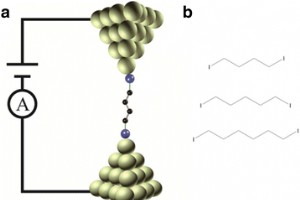
Low Tunneling Decay Observed in Iodine-Terminated Alkane Single-Molecule Junctions

