Industrial manufacturing
Metal

Aluminum is suitable for many different applications because of its light weight, corrosion resistance, and thermal and electrical conductivity. It is commonly utilized to make very precisely machined plates for fabricating seals, brackets, and sills used in manufacturing processes to secure parts w
Most machinists consider ACP 5080 aluminum equivalent to MIC-6 aluminum, as both alloys have similar characteristics. However, the two are quite distinct, and each has unique application areas. Understanding their characteristics will help you make the right choice during material selection. MIC-6,
Today, aluminum is one of the most commonly used metals in many industries, including automotive and aircraft, and is often utilized because it’s lightweight. In fact, in 1903, the Wright brothers used an aluminum engine block in the Wright Flyer for this specific reason. At this time, iron was the
Aluminum is one of the most highly sought-after CNC materials, as it’s well-suited for creating custom metal parts and prototypes such as brackets, base plates, and heat sink enclosures. Aluminum offers excellent machinability and can be heat-treated to high strength and hardness. However, no two al
Among all of the available grades of aluminum, 3003 is the most common aluminum alloy used for various general purpose applications due to its decent strength and good workability. With manganese as the primary alloying element, 3003 scores excellent in terms of formability and corrosion resistance
Aluminum, which is available in various shapes and sizes, is popular among metalworkers for designing lightweight parts for extreme environments. When aluminum is cut to size as per your required dimensions, it’s easy to design and machine these parts; however, working with a raw block of aluminum c
In an ideal world, you’d have the knowledge of a metallurgist and hands-on machinist experience anytime you needed to choose the right grade of aluminum for a specific machining process. The inherent characteristics of aluminum make it relatively easy to machine, but the various aluminum grades do

MIC-6 and 6061 are two of the most widely used aluminum alloys. MIC-6 aluminum is designed for dimensional stability, surface finish, and precision machining. 6061 aluminum is often selected for its versatility, weldability, and corrosion resistance. When you’re evaluating t
Often chosen for its weight-to-strength ratio, aluminum is one of the most abundant and versatile metals used in manufacturing. In most manufacturing applications, different types of aluminum alloys are chosen because their properties are well-suited to the manufacturing process or the end-use of a
Almost sixty years ago, Alumax (now Arconic) set the standard for stability and consistency with the introduction of MIC-6 aluminum tooling plate. In comparison to rolled aluminum plate, the superior flatness and exacting thickness tolerances made MIC-6 the preferred choice for tooling and ba
In the 1960s, the development of MIC-6 aluminum tooling plate set the standard for stability and consistency. Its outstanding flatness, consistent thickness, and dimensional stability make it the preferred choice for tooling plate aluminum to this day. MIC-6 has impressive properties, but it isn’t t
Aluminum is strong, lightweight, corrosion-resistant, and inexpensive, making it a highly versatile and effective material for both prototype and production runs. Its ductility makes it easily formable, and because aluminum alloys chip easily, they are much more machinable than other metals like ste
Two of the most popular aluminum alloys for high-strength, low-weight applications are 6061 and 7075. When comparing the two on paper, the incredible strength of 7075—almost twice that of 6061—is often the major difference that jumps off the page. While 7075 is one of the strongest aluminum alloys a
If you’re not used to cutting aluminum bar stock, you may not know where to start. Cutting aluminum isn’t like cutting wood—it requires a different set of tools and techniques. Here, we’ll discuss the challenges of cutting aluminum bar stock and how to do it safely and efficiently. We’ll also look a

Magnesium has a remarkable mix of mechanical and biomedical properties that are ideal for use in the automobile, aeronautical, and medical industries. It bonds easily with other materials, which, while making it difficult to find magnesium in its purest form, creates alloys with highly desirable pro
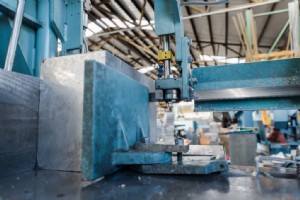
Northern California manufacturers, fabricators, and machine shops looking for the best prices in aluminum plate stock should look for a supplier that not only carries standard size aluminum plate sourced from US mills such as Kaiser and Arconic but one that also carries an extensive inventory of ver
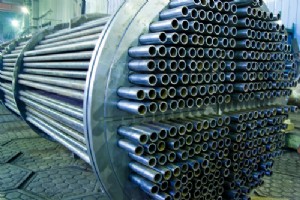
When it comes to corrosion-resistant alloys (CRAs), there is a wide variety to choose from. Austenitic stainless steel, aluminum 6— series, and nickel-copper alloys are a few types of corrosion-resistant alloys frequently used by San Francisco Bay Area manufacturers, fabricators, and machine s

Although steel is the most widely used metal, there are hundreds of applications where the properties of steel and its alloys simply don’t provide the required strength and durability. Under certain conditions, steel is subject to hydrogen embrittlement and/or corrosion that can lead to material fa
Nickel prices are surging, driving up costs of a wide range of alloys and products. As demand for lithium-ion batteries and other nickel products continues to climb, the ability of nickel suppliers to meet that demand in the near future is in question. Both supply and demand factors are driving the
Frets on guitars and other stringed musical instruments are strips or bars of metal embedded along the fretboard that extend in ever-shortening distances to the end of the guitar’s fingerboard, or fretboard. These are fundamental to changing the pitch of any note being played and are prone to wear a
Metal