


Industrial manufacturing
Metal
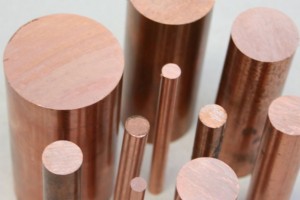
High‑Density Tungsten Alloys for Effective Gamma‑Ray Shielding Beyond the well‑known tungsten‑nickel‑iron (W‑Ni‑Fe) composition, gamma‑ray shielding solutions also employ tungsten‑copper (W‑Cu) alloys. Both systems feature tungsten as the primary hard phase, yet their bonding metals, manufacturi
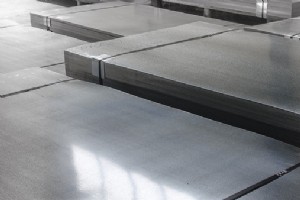
Molybdenum Plates: Key Applications & Benefits Molybdenum is a silver‑white transition metal that plays a vital role in biological systems, contributing 9 mg of trace element in the human body, with the highest concentrations found in the liver and kidneys. Its high modulus of elasticity and resi
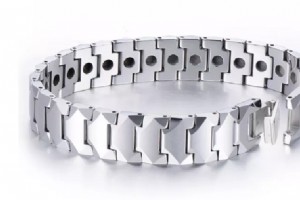
Cemented Carbide: The Premium Choice for Durable Watch Chains In the evolving world of precision engineering, cemented carbide has emerged as the material of choice for high‑performance watch chains. Its exceptional hardness, unrivaled wear resistance, and resistance to deformation make it indispe
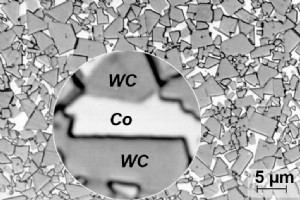
Magnetic Saturation and Coercivity in WC‑Co Hard Alloys WC‑Co hard alloy combines tungsten (W) and cobalt (Co) as its primary constituents. Based on cobalt content, the alloy is classified into high (20‑30 %), medium (10‑15 %), and low (3‑8 %) cobalt grades. These alloys serve as cutting tools f
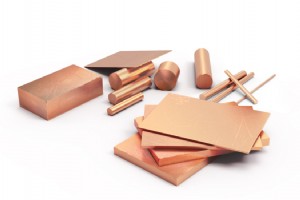
Enhancing Tungsten‑Copper Alloy Performance Tungsten‑copper alloy is a composite of tungsten and copper, typically containing 10%–50% copper by weight. Produced via powder metallurgy, it offers excellent electrical and thermal conductivity, high‑temperature strength, and useful plasticity. This
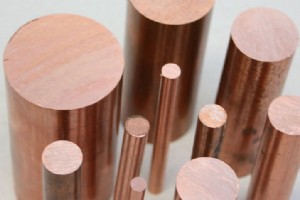
Tungsten‑Copper Alloys: The High‑Performance Material for Microelectronics Packaging Tungsten‑copper (W‑Cu) alloys fuse the superior high‑temperature stability of tungsten (melting point 3422 °C, density 19.25 g/cm³) with the excellent electrical and thermal conductivity of copper (melting point 108
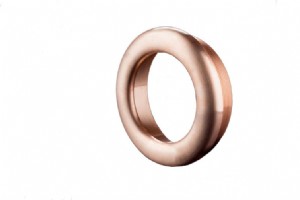
Tungsten Copper Alloy vs Tungsten Nickel‑Iron Alloy Tungsten-based alloys are prized for their high density, strength, and low thermal expansion. Among them, tungsten‑copper (W‑Cu) and tungsten‑nickel‑iron (W‑Ni‑Fe) are the most widely used. Though both share similar core characteristics, their bi
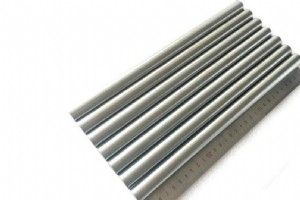
Uses of Tungsten‑Nickel‑Iron Alloys Tungsten‑nickel‑iron alloys are the benchmark for high‑density, low‑thermal‑expansion, and weldable materials. Their exceptional density (≈19.3 g / cm³), modest volume expansion, excellent plasticity, and robust weldability make them indispensable in a variety
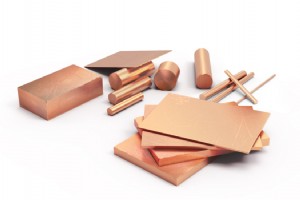
Enhancing DC Motor Performance with Tungsten‑Copper Alloys The commutator segment is a critical component of a DC motor, traditionally fabricated from pure copper or silver‑copper alloy. Modern applications increasingly adopt tungsten‑copper alloys to combine the best attributes of both metals: c

Tungsten Alloy Wafers: Applications, Benefits, and Industrial Uses Tungsten alloys—combining tungsten with elements such as molybdenum, thorium, rare earth metals, or rhenium—offer unparalleled density, hardness, and melting points. These properties make tungsten‑alloy wafers the substrate of choice
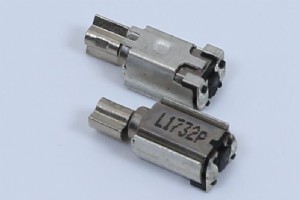
Tungsten Alloys in Mobile Phone Vibrators Wolfram‑based alloys, composed of 85–99 % tungsten with trace additions of nickel, copper, iron, cobalt, molybdenum, chromium and other elements, exhibit densities between 16.5 and 18.75 g cm‑3. Their exceptional hardness, non‑magnetic nature, chemical ine
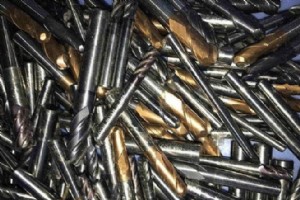
Tungsten Recycling Tungsten is a high‑melting‑point metal that ranks highest among non‑alloy metals. Its excellent electrical conductivity makes it essential for wire manufacturing, and its strategic importance is underscored by the fact that tungsten ore reserves are projected to last only about

Tungsten‑Copper Alloy: The Engine Behind Rocket Throat Lining Performance Tungsten‑copper alloy blends the high‑temperature resilience of tungsten with the ductility and thermal conductivity of copper. This unique combination makes it the material of choice for aerospace applications where extreme

Tungsten Alloy: The Ultimate Forklift Counterweight Solution In forklift operations, the rear counterweight is essential for maintaining stability during lifting and reversing. Traditional cast‑iron counterweights are heavy and costly. Tungsten alloy, with its density of approximately 19.3 g/cm³—rou
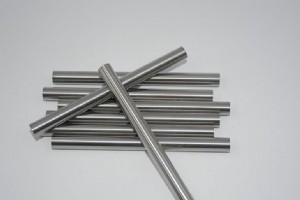
W‑Ag Alloy: Key Properties and Industrial Applications W‑Ag alloys combine tungsten and silver, typically containing 30 % to 70 % silver by weight. This composition yields a material that is exceptionally hard, exhibits excellent weldability, and resists arc erosion, adhesion, and fusion welding.

Titanium‑Aluminum‑Niobium‑Zirconium‑Molybdenum Alloy for Deep Submersible Shells When it comes to constructing deep‑sea submersible shells, the Ti‑Al‑Nb‑Zr‑Mo alloy consistently outperforms conventional titanium alloys. Its superior welding characteristics, impact toughness, fracture resistance,
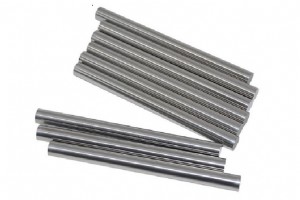
Tungsten Silver vs. Tungsten Copper Alloys: Key Differences & Applications Tungsten alloys are the backbone of many high‑performance industries—from aerospace and defense to advanced electronics. Among them, tungsten–silver (W–Ag) and tungsten–copper (W–Cu) alloys stand out for their unique combin

Over the past few decades, emerging technologies have opened unprecedented opportunities for businesses, while also introducing new challenges. As app developers continue to innovate, the next wave of breakthroughs will grow in influence and power. Although the long‑term impacts remain uncertain

Why Titanium is a Cornerstone of Modern Aerospace Design Titanium was first isolated in 1791, but it wasn’t until the Cold War that its unique properties caught the attention of military and civil aviation. Today, titanium alloys are integral to aircraft structures, engines, and systems, offering

Zirconium is a silver‑gray transition metal prized for its malleability, ductility, and exceptional corrosion resistance. These traits make it a cornerstone in high‑corrosion environments such as piping, heat exchangers, and fittings. Beyond the nuclear sector, zirconium alloys appear in steel gra
Metal

Comprehensive Guide to Heavy Equipment Maintenance: Boost Reliability, Safety, and ROI

Strata & Solvay Announce Completion of Advanced Materials Facility in Al Ain

How Carbon Fiber Filament Is Made: Production Process & Key Benefits

5 Proven Strategies for Small Manufacturers to Optimize Shipping & Distribution

