



Magnetic Saturation and Coercivity in WC‑Co Hard Alloys
Magnetic Saturation and Coercivity in WC‑Co Hard Alloys
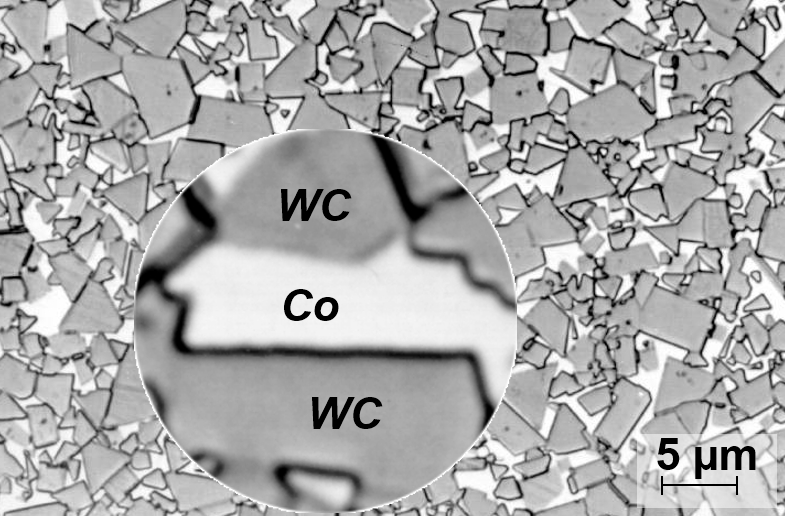
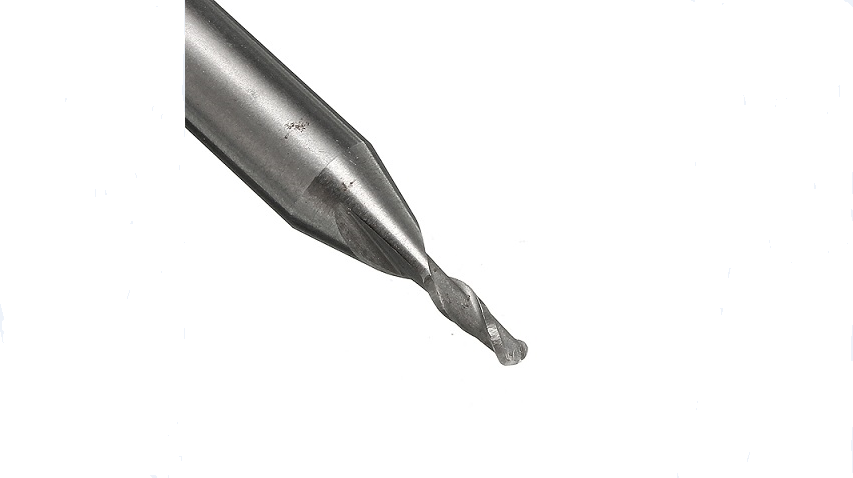
WC‑Co hard alloy combines tungsten (W) and cobalt (Co) as its primary constituents. Based on cobalt content, the alloy is classified into high (20‑30 %), medium (10‑15 %), and low (3‑8 %) cobalt grades. These alloys serve as cutting tools for cast iron, non‑ferrous metals, heat‑resistant alloys, titanium alloys, stainless steel, and are also used as wear‑resistant components, stamping dies, and drill bits.
Magnetic Saturation and Coercivity of WC‑Co Hard Alloys
1. Magnetic Saturation
When an external magnetic field is applied, the magnetic induction in a WC‑Co alloy increases until it reaches a plateau—its magnetic saturation point. The saturation value depends solely on cobalt content and is independent of tungsten carbide grain size. Consequently, magnetic saturation measurements offer a reliable, non‑destructive method to verify alloy composition and detect non‑magnetic phases in known samples.
2. Coercivity
The coercive force arises from the ferromagnetic binder phase in cemented carbides. It reflects the alloy’s magnetic hardness and is strongly influenced by cobalt concentration, carbide grain size, and dispersion. Lower cobalt levels and finer carbide grains both raise coercivity. Since the coercive force correlates with the microstructural refinement of the carbide phase, it can serve as an indirect gauge of grain size. Additionally, higher cooling rates during sintering and reduced carbon content (which increases tungsten in the carbide) further elevate coercivity.
Conclusion
Understanding the magnetic saturation and coercivity of WC‑Co hard alloys is essential for quality control and material selection in high‑performance machining applications. For deeper insight into tungsten alloys, we recommend exploring the resources at Advanced Refractory Metals (ARM).
Headquartered in Lake Forest, California, USA, Advanced Refractory Metals (ARM) is a global leader in the manufacturing and distribution of high‑purity refractory metals and alloys, including tungsten, molybdenum, tantalum, rhenium, titanium, and zirconium.
Metal
- W‑Ag Alloy: Key Properties and Industrial Applications
- Properties and Applications of Tungsten Alloy Counterweights
- Tungsten Alloy Balls: Properties, Production, and Key Applications
- Molybdenum‑Rhenium Alloys: High‑Temperature Performance for Aerospace, Nuclear, and Electronics
- Zirconium Alloys: Fundamentals, Development, and Applications
- Molybdenum Alloys: Composition, History, and Industrial Applications
- Molybdenum and Its Alloys: Key Applications in Material Processing
- W Tungsten & Alloys: High‑Performance Applications in Steel, Heat‑Resistant Alloys, and Electronics
- Cobalt Alloys: Composition, Key Properties, and Industrial Applications
- Alloy Steel Explained: Composition, Types, and Applications