Industrial manufacturing
Metal
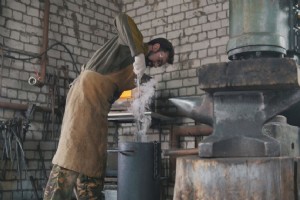
How tempering is important for functional steel. Metal alloys are made of a precise combination of elements, like ingredients in a recipe. The way these elements are put together under heat change the properties of the alloy, just as different cooking techniques change the flavor of foods. Tempere

The oxidization of aluminum Does aluminum rust? It’s a question we get asked all the time, and the short answer is no, but that doesn’t mean it’s invincible. Today we’re exploring the differences between rust and aluminum corrosion. We’re going to answer the question, “does aluminum rust” by

How to tell if something is brass or bronze? What’s the difference between bronze and brass? Have you ever wondered what the difference is between bronze and brass? You won’t find these alloys on the periodic table of elements, but the individual component parts of these useful metals include copp

How does near net shape manufacturing save time and money? Manufactured metal objects are created through casting, forging, or machining, sometimes creating waste. Near net shape manufacturing aims to produce an item or part as close to its final shape as possible, reducing waste, saving time and m
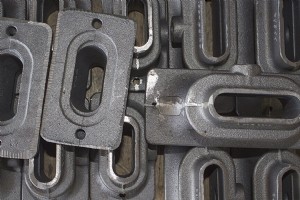
Whats the difference between cast iron and cast steel? Casting offers exceptional capacity for design detail, often eliminating the need for additional fabrication and assembly. Many materials can be cast, including several types of metals and synthetics, but iron and steel in particular feature

Stainless steel grades, composition, molecular structure, production, and properties In this guide: How is stainless steel made? What is stainless steel made of? Types of stainless steel Stainless steel grades Is stainless steel magnetic? Mechanical properties of stainless steel A technical look

Choosing your Alloy At Reliance, we primarily use two main aluminum grades for our bollards and benches. They have slightly different naming conventions, which can lead to confusion: are we buying from different countries with different international metal standards? Aluminum vs. aluminium When it

What floats our boats? Most metals on the market are not sold as objects made of only one element. To get material properties, metals are mixed with other elements to create alloys; specifications of these alloys are known as their grades. A manufacturer chooses a grade based on the final use of t

Corrosion-resistant stainless steel is prized for durability, but this multi-purpose metal can be tricky to weld First created in 1913 to solve the problem of rusting gun barrels, stainless steel is the metal of choice for engineers, architects, and industrial designers everywhere. Stainless steel

What you need to know for your industrial track and wheel system Industrial steel wheels are used in places like manufacturing, mining, and storage to run carts and other equipment along tracks. Production on rails is orderly and predictable. Track systems also save energy and maintenance compared

A conversation with Brian Done Reliance Foundry’s history spans the rise and fall of manufacturing in the West. From boom times through the 1920s, to decline during the globalization of production, the business of metal casting is closely tied to larger economic trends. The 1995 book “Fire in the
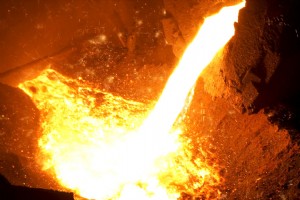
How engineers choose an alloy for metal castings When choosing an iron alloy for a casting, a metallurgist considers the budget, required mechanical properties, and post-casting steps like machining and heat treatment. These requirements decide what alloy to use. These days, the biggest choice is

The history, production, and use of steel pipes Steel pipes are cylindrical tubes made from steel that are used many ways in manufacturing and infrastructure. They’re the most utilized product made by the the steel industry. The primary use of pipe is in the transport of liquid or gas underground—

Versatile and tough austenitic stainless—even at cryogenic or elevated temperatures Stainless steel is called “stainless” because of its resistance to rust. Steel contains iron and carbon in certain percentages: adding the element chromium transforms it from steel to stainless steel. Starting with
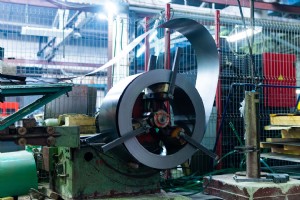
From the steel mill to the factory, how quality stainless is made We have manufactured steel for a thousand years, but stainless steel is a relative newcomer. It was invented in 1913 by a Harry Brearley, a British metallurgist. Chemists, engineers, and materials scientists have been experimenting

Why are these the two stainless grades used for exhaust systems? 304 is an austenitic stainless steel high in chromium and nickel with very high corrosion resistance. It is one of the most commonly produced and used stainless steel grades. 409 is a ferritic stainless steel with less chromium and v

Consider the differences in corrosion resistance and cost Steel and stainless steel are both reliable metals found in a wide range of products, from substantial applications to very small parts. So, which one is better? The answer is “it depends!” Steel’s affordability makes it an ideal metal for m

Unexpected home improvement projects with decorative cast iron Most of our tree and trench grates are bought by municipalities or facilities managers, but we also fulfill smaller orders for homeowners and contractors. The majority of these are cast iron trench drains used in residential driveways.

Comparing these two common, versatile stainless steel grades There are many different grades of stainless steel on the market. It can be confusing for a non-metallurgist to know what alloys are best for what applications. Previous posts have talked about 304 stainless (common in kitchens), 316 sta
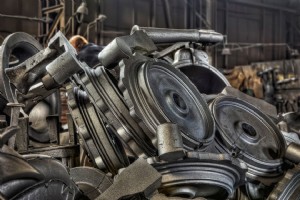
A versatile metal, cast iron has many unique applications in the commercial and industrial world The presence of iron in everyday life began in about 1200 BCE, encompassing a wide range of uses from farming implements to weapons of war. Blacksmiths became a critical profession, working with iron
Metal