


Industrial manufacturing
Metal
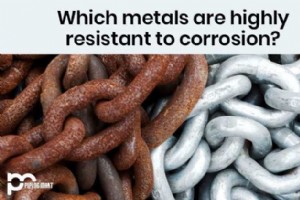
Choosing the right metal for a project is a balancing act between formability, strength, aesthetics, and cost. When the application will be exposed to harsh environments—saltwater, industrial chemicals, or high humidity—corrosion resistance becomes a non‑negotiable requirement. Below we examine the

In welding, the electrode serves as the conduit for the electric current that forms the arc. The current travels from the power source, through the electrode tip, and into the workpiece, creating the heat required to fuse metals. The electrode’s material, coating, and geometry are chosen to match t
High‑speed steel (HSS) is a high‑performance alloy prized for its ability to retain hardness at elevated temperatures. Unlike traditional high‑carbon steels that soften when heated, HSS incorporates alloying elements such as tungsten, molybdenum, chromium, vanadium, and cobalt, allowing it to maint
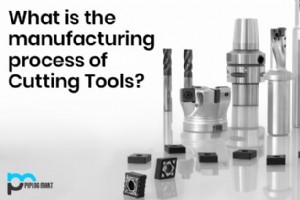
A cutting tool is any device that removes material from a workpiece through shear deformation. Depending on the operation, tools may employ a single cutting edge—such as in spinning or forming—or multiple edges, as seen in milling, drilling, and grinding. Even an abrasive grain can act as a microsc
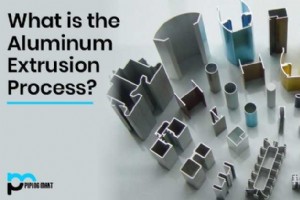
The aluminum extrusion process transforms solid billets into long, shaped profiles by heating them and forcing them through a precision die. Like squeezing toothpaste from a tube, the extrusion die determines the final shape; changing the die changes the profile. Step‑by‑Step Overview 1. Die Prepar
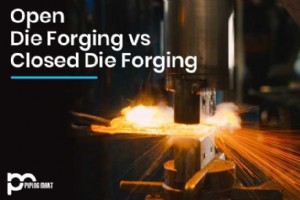
Open‑Die Forging Open‑die forging, also known as free‑form forging, shapes heated metal between a swinging hammer or anvil and a loose die. The metal is held in a bucket‑type die that does not fully encase the workpiece, allowing the hammer to strike from all sides. Typical forging temperatures ra
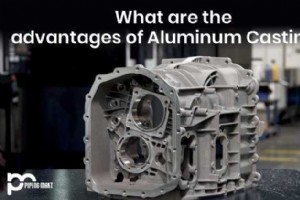
Aluminum casting remains the industry’s most versatile fabrication method. By pouring liquid aluminum into a mold, manufacturers can produce thousands of identical parts with high precision and minimal waste. Types of Aluminum Casting Die Casting forces molten aluminum through a steel mold under hi
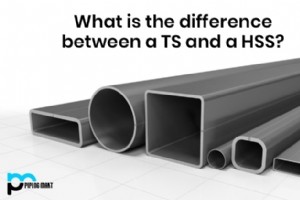
When engineers and architects discuss “tube” versus “hollow” steel, the terminology can feel confusing. Both TS (tube steel) and HSS (hollow structural steel) are closed‑section metal members, but they serve distinct purposes, are specified by different standards, and are used in different construc

In the industrial landscape, businesses constantly grapple with balancing production costs, market demand, and operational efficiency. Stainless steel bright bars—high‑grade, precision‑made steel rods—have emerged as a cornerstone solution, delivering tangible benefits across the manufacturing chai

Beryllium, when alloyed with copper, improves product durability, chemical inertness, and reduces pollutant emissions. These composites are employed in foundational components where they provide superior toughness, reduced weight, improved electrical performance, and extended service life. Due to i

The global metal industry depends on recycling to maintain sustainability and economic efficiency. Producing new brass—typically a 55% copper and 45% zinc alloy—from virgin raw materials consumes vast energy and depletes natural resources. In the UK, nearly 100% of metal scrap is reused, demonstrat
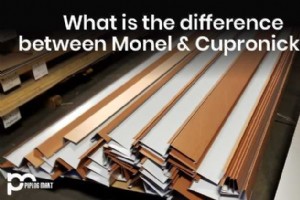
Monel vs. Cupronickel Monel is a high‑strength nickel‑copper alloy known for its exceptional resistance to corrosive environments such as seawater, alkaline solutions, and caustic acids. The alloy’s microstructure is a solid solution that can be hardened only through cold working. Its high copper c

\nMusical instruments are categorized by their body structure, method of play, and the timbre they produce. Many musicians overlook the importance of the material used, yet the alloying choice can profoundly affect tone quality. Brass instruments—such as the trumpet, cornet, French horn, trombone, b

India’s rise as a maritime power has reshaped global trade, with shipping routes driving economic growth and innovation. The push for faster, safer, and greener ocean travel has spurred designers and manufacturers to continually refine vessel construction methods. The ship‑building pipeline—start
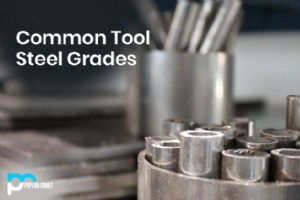
Tool steels form the backbone of precision manufacturing and repair for both machine and hand tools. Their exceptional hardness, high abrasion resistance, and ability to retain cutting edges at elevated temperatures make them indispensable in demanding machining environments. By alloying carbon wit
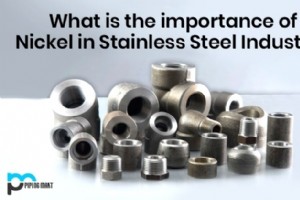
Nickel is a lustrous, white metal prized for its strength, ductility, and exceptional corrosion resistance. It plays a pivotal role in everyday items—from the batteries that power remote controls to the hardened steel of kitchen sinks. Physically, nickel is dense, magnetic up to 360 °C, and conduct

A propeller is a rotating fan‑shaped component that converts the engine’s power into thrust, propelling a vessel forward. Its efficiency hinges on precise manufacturing and material selection. Power from the ship’s main engine is transferred through a series of shafts—crankshaft, intermediate shaft
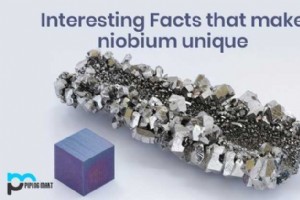
Introduction to Niobium Niobium is a lightweight, crystalline, and highly ductile transition metal prized for its exceptional resistance, strength, and biocompatibility. Its corrosion resistance makes it an ideal hypoallergenic alternative to nickel in jewelry, while its robust mechanical propertie

Titanium is a lightweight, high‑strength metal known for its exceptional corrosion resistance. Its ability to withstand exposure to seawater, bodily fluids, and chlorine makes it ideal for medical applications. The material’s unique combination of durability, biocompatibility, and versatility has
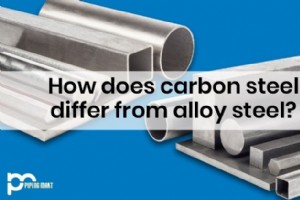
Both carbon steel and alloy steel contain carbon between 0.02% and 2.1%, yet they serve very different roles in engineering and manufacturing. In this guide we unpack the distinct compositions, mechanical properties, and typical uses of each, drawing on industry standards and expert insights. Alloy
Metal
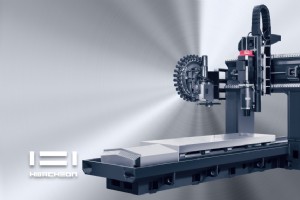
Hwacheon L1/L2 Double‑Column Vertical Machining Center – Precision & Flexibility for Long Parts

ABB Unveils Advanced Visual Control Interface for Seamless Operational Oversight

Ethernet-APL: The Explosion‑Safe, Two‑Wire Ethernet Solution for Process Plant Instrumentation

Understanding Computer-Integrated Manufacturing (CIM): Definition, Impact, and Future

