Industrial manufacturing
Metal
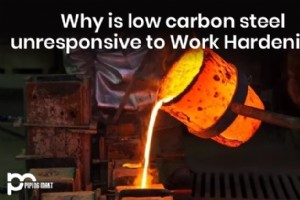
Low‑carbon steel, defined by less than 0.25 % carbon, is the workhorse of the steel industry. Because it contains so little carbon, it cannot be hardened by the typical heat‑treating route that produces a martensitic microstructure. Instead, it relies on cold work (strain hardening) to reach its r

Aluminum is lightweight yet delicate, so it demands gentle care when restoring its shine. Regular washing prevents dirt buildup and stops the formation of aluminum oxide, a corrosion that weakens the metal’s integrity. Because aluminum’s surface is smooth, avoid harsh scrubbers that can scratch it.

Human activities have accelerated the release of aluminum from the Earth’s crust, creating new pathways for the metal to enter the body. While the natural geochemical cycle of aluminum has long existed, modern industrial and consumer practices now keep us exposed to higher and more varied forms of
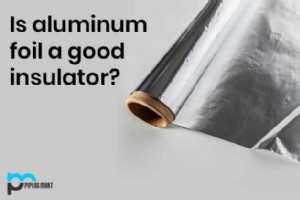
Aluminum foil consists of thin sheets of aluminum whose thickness is typically less than 0.2 mm (about 0.016 mm for standard household foil and 0.024 mm for medium‑duty foil). In the United States, foil gauges are often expressed in thousandths of an inch. The material can be folded, twisted or wra

Aluminum bronze is a copper alloy where aluminum—rather than the tin in bronze or zinc in brass—serves as the primary alloying element. The aluminum forms a thin, adherent oxide film that protects the metal from oxidation and corrosion. Additional elements such as manganese, silicon, iron, or coppe
Copper, bronze, and brass are often mistaken for one another, yet each metal has a distinct composition and set of properties that set it apart. Understanding these differences not only enriches your technical knowledge but also helps you select the right material for every project. Color The most
Beryllium Copper Beryllium copper (BeCu) is a copper alloy containing up to 3 % beryllium, often blended with small amounts of cobalt, nickel, iron or zinc. It combines high tensile strength, excellent fatigue resistance, non‑magnetic behavior, and negligible spark generation. These traits make it

Brass is an alloy primarily of copper and zinc, with variations in composition that produce distinct colors and mechanical properties. Yellow brass—sometimes called gold brass—typically contains 60 % copper or less, while red brass, also known as rose brass or gunmetal, has a higher copper content

Electrical conductivity measures how readily a material allows electrons to flow. Among metals, copper and zinc rank just below iron in terms of conductivity, while silver consistently leads the list. Gold, although more expensive, offers excellent conductivity coupled with superior corrosion resist
Sheet metal manufacturing—commonly referred to as sheet metal fabrication—is the precise art of converting flat metal sheets into functional parts and structures. The process is a collaborative effort that involves skilled technicians, advanced machinery, and a clear workflow within specialized fab

Steel plates—often referred to as structural steel—are engineered sheets that can be cut, welded, and formed into complex shapes. They are produced by bonding multiple layers of steel into a single, robust plate. This process results in a material that provides the stability required for large-scal

In aerospace, automotive, marine, and agricultural equipment, manufacturers continuously seek ways to improve performance while minimizing weight. Engineering plastics and carbon‑fiber composites are favored for their lightness, but integrating them with metals such as aluminum, magnesium, stainles
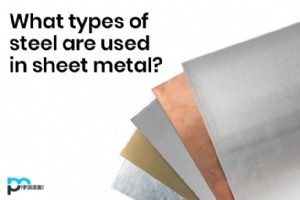
Sheet‑metal fabrication begins with a clear understanding of the customer’s specifications. Material selection is a critical decision, and steel is the most common choice due to its versatility, cost‑effectiveness, and well‑documented performance data. Four principal steel categories are typically

When selecting a polymer, many customers wonder: what’s the difference between PTFE and Teflon? The distinction lies purely in the name. PTFE (polytetrafluoroethylene) is the chemical, while Teflon is the trademarked brand that refers to the same material. What is PTFE? Polytetrafluoroethylene is

Polytetrafluoroethylene (PTFE), commonly known as Teflon, is an ivory‑white fluoropolymer produced by free‑radical polymerization of tetrafluoroethylene. Its exceptional versatility makes it indispensable across aerospace, food processing, pharmaceuticals, and communications, among others. Core Ph

Polytetrafluoroethylene (PTFE), commonly known as Teflon, is prized for its exceptional chemical resistance, hydrophobicity, and temperature tolerance. These properties make it the go‑to material for a wide array of industrial and everyday applications. Beyond its iconic role in non‑stick cookwar

PTFE tape, commonly known as Teflon or threaded seal tape, is a thin, flexible film used to seal threaded connections in plumbing, HVAC, and gas systems. The tape’s polytetrafluoroethylene (PTFE) composition offers exceptional chemical resistance, a high temperature range, and a low coefficient of

Polytetrafluoroethylene (PTFE) is a high‑molecular‑weight fluoropolymer composed almost entirely of carbon and fluorine atoms. Its strong C–F bonds give it remarkable chemical inertness and a hydrophobic surface that repels water and most organic liquids. PTFE’s most familiar role is the non‑stick

Steel piping remains the backbone of coal‑fired power plants, transporting coal‑ash slurry, calcareous slurry, and calcium sulfate by‑products through harsh, abrasive environments. When hard particles collide with a steel surface, abrasive wear can quickly erode the pipe wall, leading to leaks, str
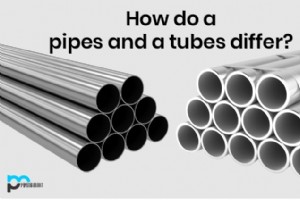
In engineering, the words pipe and tube are often used interchangeably, yet they serve distinct purposes. Understanding the subtle yet critical differences ensures you select the correct component for fluid transport, pressure vessels, or instrumentation. What Is a Pipe? Pipes are hollow, circular
Metal