Industrial manufacturing
Metal
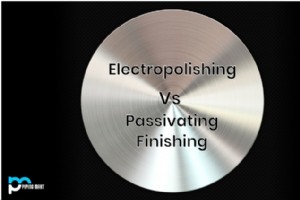
Choosing the correct surface finish is as vital as selecting the base material. A properly finished metal enhances performance by improving chemical resistance, handling, and other key functional attributes. Electropolishing and passivation are two popular surface treatments that remove contaminant

Inconel is a high‑performance austenitic nickel‑chromium superalloy renowned for its exceptional resistance to corrosion, oxidation, and extreme temperatures. Its strength at elevated temperatures is achieved through solid‑solution and precipitation hardening, while its inherent pressure tolerance
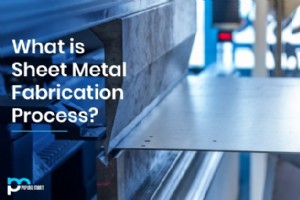
Sheet metal fabrication turns flat sheets of steel, aluminum, or other metals into functional components by cutting, bending, and assembling. With precise control, virtually any shape can be achieved, enabling the production of everything from structural panels to intricate architectural elements.

Aerospace production demands the safe movement of exceptionally heavy, fragile, or both heavy and delicate components. Stainless steel carts offer a reliable solution, ensuring that bulky parts—such as jet engine turbines—are transported with precision and care from one process to the next. Why do

In large‑scale pharmaceutical production, two critical success factors are cost efficiency and scalability. While automation and stringent process controls are essential, an often overlooked asset is the stainless‑steel medical cart. These carts enhance workflow, reduce waste, and help manufacture

In modern manufacturing, metal parts routinely pass through hot furnaces for processes such as annealing, powder coating, and fumigation. The baskets that carry these components must therefore endure the furnace’s extreme temperatures without degrading or compromising structural integrity. While vi

In modern food production, the choice of metal directly impacts safety, quality, and cost. Food‑grade metals are engineered to be lead‑free, corrosion‑resistant, and easy to sanitize, meeting strict FDA and NSF standards. Selecting the correct alloy requires understanding the chemistry, temperature

Inconel is a nickel‑chromium‑based superalloy known for its exceptional resistance to oxidation and corrosion, making it ideal for harsh production environments. Unlike conventional stainless steel, Inconel maintains a high tensile strength even at 2,000 °F, where most steel grades lose significant

The seafront offers breathtaking views, but the corrosive salt spray and high humidity can severely shorten the lifespan of exterior materials. Selecting the proper metal for cladding, railings, and decorative features is therefore essential to avoid costly repairs or premature replacement. While m

Inconel and Incoloy are both celebrated superalloys, prized for their corrosion and oxidation resistance as well as their ability to retain strength at elevated temperatures. While they share this high‑performance pedigree, their distinct chemistries give them unique strengths that suit different i
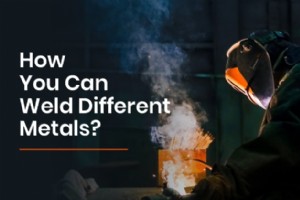
When engineers consider joining a stainless steel nut to a carbon steel wire, the most common full‑fusion methods—TIG (Tungsten Inert Gas) and MIG (Metal Inert Gas)—are often brought to mind. While these processes can technically bond the two metals, the outcome is frequently sub‑optimal, especial
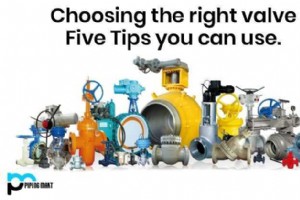
Choosing the correct valve is a nuanced decision that hinges on a clear understanding of your system’s design requirements. Engineers can streamline the selection process by identifying the essential valve attributes that align with their application goals. Before procurement, verify that the valve
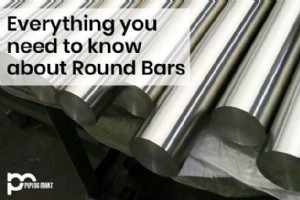
While polymers can replace metals in many applications, they cannot match the versatility and performance of metallic components. Metals offer superior load efficiency and weight characteristics that are critical in structural and engineering contexts. Strength of Round Bars Strength is the core at
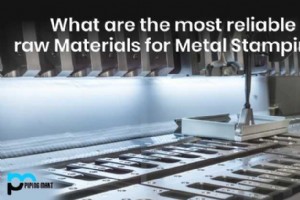
Metal stamping remains the most widely used manufacturing method for producing complex parts with high precision. The process involves cutting, forming, and detailing sheet metal—typically aluminum—using high‑pressure presses. Advances in tooling and process control now allow manufacturers to prod

Even seasoned engineers can be surprised by the nuanced science behind fasteners. Below are five key insights that highlight the technical depth of these everyday components. Insight 1 – Thread Load Distribution When you tap a hole, the number of threads that effectively carry the load is limited.

Over recent decades, we have manufactured numerous unique projects and components. While many decisions—from design nuances to custom tooling—shape a part’s performance, the most fundamental choice made during manufacturing is the material. Every metal offers distinct strengths and limitations, mak
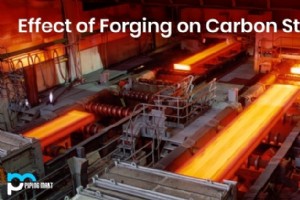
Forging is the preferred method for producing high‑performance components when compared with extrusion, machining, or assembly. While a wide range of alloys can be forged, each material class presents its own challenges and opportunities. This article focuses on plain‑carbon and low‑alloy carbon st
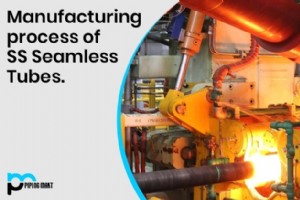
Seamless stainless‑steel tubes are the backbone of high‑performance systems that transport air, steam, and liquids under extreme conditions. Our factories produce tubes ranging from 1‑inch diameter to ultra‑fine sizes, with continuous lengths that can exceed one mile. Manufacturing Process 1. Ho

Choosing the correct fastener is essential for any construction or DIY job. While both bolts and screws provide secure connections, they serve distinct purposes and excel in different scenarios. Understanding their strengths and limitations will help you make an informed decision and avoid costly m

Valves are critical for controlling flow, isolating equipment, and safeguarding processes in the oil and gas sector. They ensure smooth operations across every pipeline application, from high‑pressure lines to low‑pressure branches. Below is a concise guide to the most common valve types and their
Metal