Industrial manufacturing
Metal
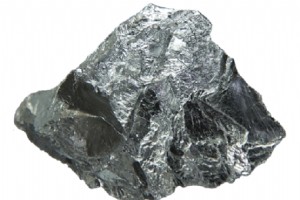
What Is the Basic Tungsten Metal Like? Tungsten (W) is the most abundant of the refractory metals, yet roughly half of the world’s reserves lie in China, with significant deposits also in Korea, Bolivia, Portugal, Australia, Thailand, Canada, and the United States. Despite this, the U.S. remains h
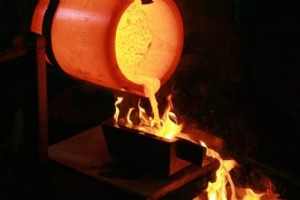
Top 10 Highest-Melting Materials in the World Curious about the materials that can withstand extreme temperatures? This article presents the ten substances with the highest melting points, backed by scientific data and real‑world applications. Materials with the Highest Melting Point in the Wo
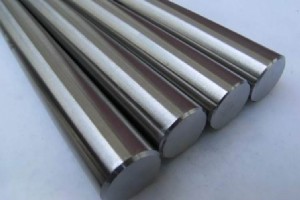
Abundant Refractory Metals: Properties, Applications, and Emerging Technologies Tungsten, tantalum, molybdenum, niobium, vanadium, and chromium are considered abundant refractory metals, each with global reserves exceeding 100,000 tons. Abundant Refractory Metals While all six elements share high
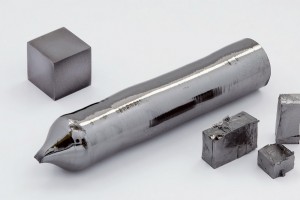
Why Tantalum Is a Cornerstone of High‑Performance Materials Tantalum naturally occurs alongside columbium (niobium) in mineral deposits. As demand for columbium grows, so does the availability of tantalum concentrates. Through a meticulous separation and reduction process, both metals are extracted
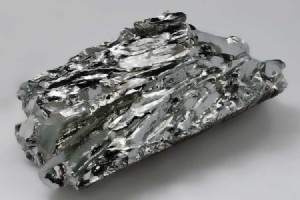
Can Molybdenum Combine with Other Elements? Expert Insights on Alloying and High‑Temperature Use Molybdenum is a refractory metal with a melting point of 2,623 °C (4,756 °F), 695 °C lower than tantalum. Its high melting temperature and relative abundance in the United States made it the first refr
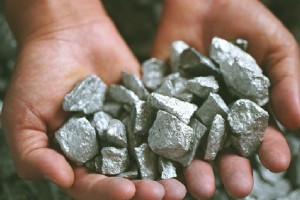
Niobium in Everyday Life Niobium (Nb) is a lightweight, high‑melting‑point metal that is indispensable in a variety of high‑performance industries. With a melting point of 4,474 °F (2,465 °C)—just 256 °F below molybdenum—niobium’s thermal stability makes it a prime candidate for components that mu
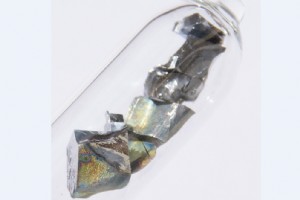
Why Vanadium Is Classified as a Transition Metal Vanadium’s position in the periodic table and its distinctive electronic configuration qualify it as a transition metal. Unlike the high‑melting columbium (niobium), vanadium melts at a temperature roughly 1,000 °C lower, which limits its use in extr
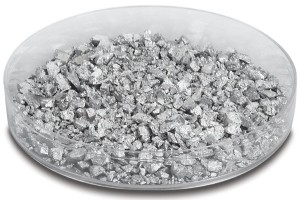
Chromium: Properties, Production, and High‑Temperature Applications Chromium is a key refractory metal used across a range of high‑temperature alloys and industrial processes. Below we explore its physical characteristics, how it’s produced, the challenges of alloy development, and its most common a
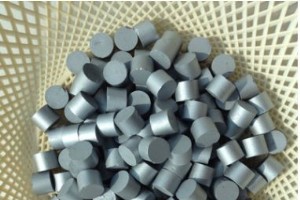
What Can Rhenium Be Used For? Rhenium is one of the world’s rarest refractory metals, boasting the second‑highest melting point of all metals (3,186 °C) and a high density of 21.02 g/cm³. Its unique combination of high-temperature strength, excellent ductility, and resistance to oxidation makes it
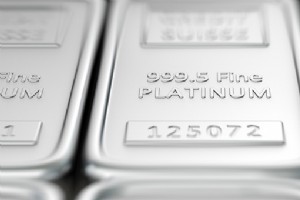
Why Platinum Holds the Title of the Most Expensive Metal The platinum‑group metals—platinum, osmium, iridium, ruthenium, rhodium, and palladium—are renowned for their extraordinary high melting points and exceptional resistance to corrosion. These refractory metals are scarce and command premium p
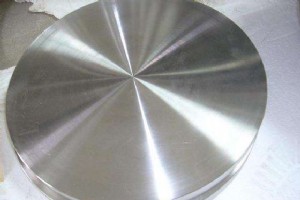
Key Applications of Hafnium: From Nuclear Control Rods to Advanced Alloys Hafnium is found in zirconium ores. Because this metal must be removed from reactor-grade zirconium, its supply is largely dependent on zirconium production. Hafnium melts at 4,032 °F, but its limited availability has rest
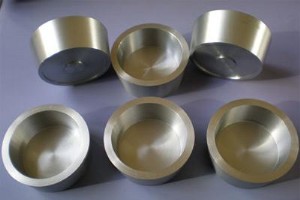
Why Zirconium Is Classified as a Transition Metal When produced to high purity, zirconium is a soft, ductile metal that combines excellent corrosion resistance with a remarkably low absorption cross‑section for thermal neutrons. These attributes make it indispensable for structural components in n

How Titanium Alloys Drive Performance and Efficiency in Modern Automobiles Titanium’s exceptional blend of low density, high specific strength, and excellent corrosion resistance has made it a key material for automotive innovation. Replacing heavier steel components with titanium alloys reduces v
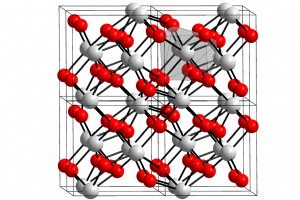
Hafnium Oxide (HfO₂): Structure, Properties, and Key Applications Hafnium oxide (HfO₂), commonly called hafnia, is a colorless, highly stable inorganic compound with the formula HfO₂. It is a wide‑bandgap insulator (5.3–5.7 eV) that has become indispensable in modern semiconductor technology, high
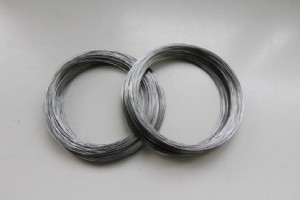
Rhenium is a critical component of modern high‑temperature superalloys used in jet engine parts, consuming roughly 70% of global rhenium output. It also plays a pivotal role in platinum–rhenium catalysts that enable the production of lead‑free, high‑octane gasoline. In nickel‑based superalloys, a
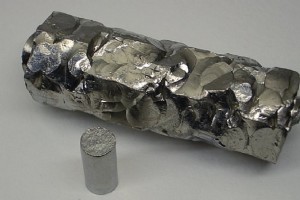
Zirconium: From Ancient Gem to Modern Metal—A Historical Overview In this article we explore the fascinating journey of zirconium, tracing its roots from a prized gemstone to a vital industrial metal. Zircon, named after the mineral zircon (ZrSiO4), has dazzled humans for centuries. Its wide spec
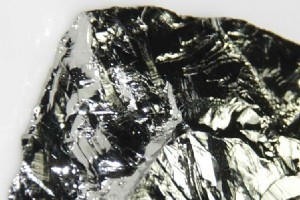
Why Beryllium Metal Is Ideal for Missile Gyroscopes Beryllium is a unique metal whose physical and nuclear characteristics set it apart from conventional alloys such as steel, titanium, and aluminum. Its growing adoption spans aerospace, nuclear, automotive, and electronics sectors, with missile t

Nickel‑Titanium Alloys (Nitinol): Composition, Phases, and Shape‑Memory Properties Nickel‑titanium alloy, commonly called Nitinol, is a binary alloy composed of roughly equal atomic percentages of nickel and titanium. Commercial grades such as Nitinol 55 and Nitinol 60 have a Ni/Ti ratio close

Industrial Applications of Tantalum and Its Alloys Tantalum ranks as the third‑most refractory metal after tungsten and rhenium, boasting a melting point of 2,980 °C. Its exceptional combination of low vapor pressure, high chemical stability, resistance to liquid metal corrosion, and a high‑dielect

Iridium Alloys: High‑Temperature, High‑Strength Applications in Aerospace, Energy, and Precision Engineering Iridium alloys—metals containing small percentages of iridium—are renowned for their exceptional high‑temperature stability, corrosion resistance, and mechanical robustness. While pure irid
Metal