


Industrial manufacturing
Metal
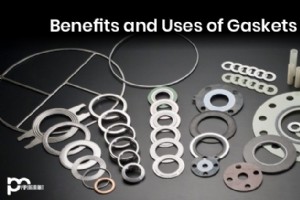
A gasket is a precision‑engineered elastomeric seal that bridges two mating surfaces, preventing the escape of gases or liquids. Manufactured from a diverse palette—rubber, silicone, cork, paper, brass, steel, and foam—gaskets excel in vibration damping, noise suppression, sanitation, and, most cri
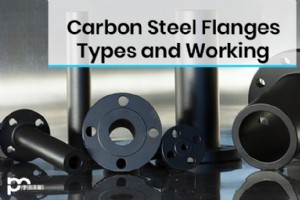
A flange is a projecting rim or lip that provides a secure attachment point for connecting pipes, valves, pumps, and other equipment. Carbon steel flanges are widely used in the oil & gas, petrochemical, and power generation industries because they offer a balance of strength, durability, and
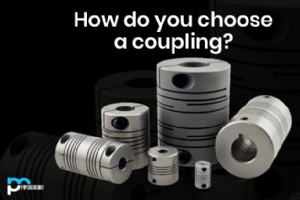
A coupling is a mechanical joint that connects two shafts, transmitting torque while accommodating misalignment or axial movement. Its primary role is to link rotating machinery—motors, pumps, turbines—without allowing disconnection during operation. Modern torque‑limiting couplings can slip or bre

A gasket is a mechanical seal that bridges the gap between two or more mating surfaces, preventing leakage under pressure or stress. In heat‑exchanger assemblies, the surfaces are often less than perfect, so the gasket must fill imperfections to maintain a tight seal. One of the most common issues
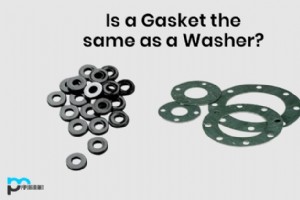
What Is a Gasket? A gasket is a sealing element that sits between two mating surfaces to prevent fluid or gas leakage and to accommodate minor surface irregularities. Because machine surfaces are never perfectly flat, gaskets fill gaps caused by thermal expansion, contraction, friction, and wear.

Copper piping remains a staple in gas, water, and HVAC systems due to its superior corrosion resistance and mechanical strength. In the United States, the most common copper pipe classifications—Type K, Type L, and Type M—are defined by ASTM B88 and are used throughout residential, commercial, and
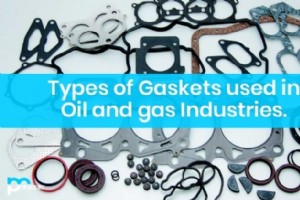
A gasket is a critical sealing element that bridges gaps between joined components, preventing leaks under operational stress. High‑quality gaskets require surfaces that are almost flawless; minor imperfections are accommodated by the gasket material’s ability to flex and conform. In the oil and
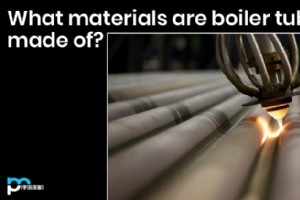
A boiler is a sealed vessel that heats fluid—most commonly water—by transferring heat from combustion gases to the liquid inside. The heated or vaporized fluid then exits through boiler tubes, which are essential for delivering steam or hot water to heating, sanitation, or power‑generation processe
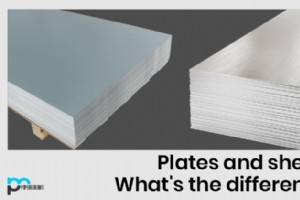
Steel is an iron‑based alloy whose properties vary with its composition. The most common commercial grades contain between 0.2 % and 2.15 % carbon. Other elements such as tungsten, chromium, vanadium, and manganese are added to produce specialty steels. Stainless steel 304, with its chromium‑rich
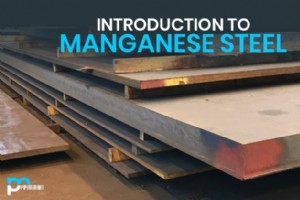
Overview of Manganese Steel Manganese steel, often called mangalloy, is a high‑manganese alloy typically composed of 98–99% iron and 11–15% manganese. This composition gives it exceptional wear resistance and a surface strength that can triple under abrasive contact, all while maintaining toughness
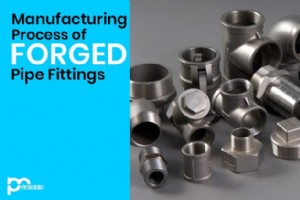
Pipe fittings are essential components in plumbing and industrial piping systems, guiding the flow of liquids and gases while providing connections, changes in direction, and size adjustments. Common types include elbows, tees, reducers, caps, and flanges, each designed to perform specific functio

Choosing the correct piping material is foundational to a reliable, efficient, and safe fluid‑handling system. Whether you’re installing a new residential supply line or upgrading an industrial plant, the right material will keep contaminants contained, reduce maintenance, and extend the life of the
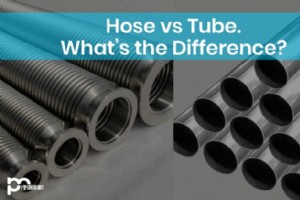
While hoses and tubes are often used interchangeably, the distinction lies mainly in reinforcement and intended use. Hoses are typically reinforced with embedded braids, cables, or dual‑wall construction, enabling them to withstand higher pressures. Tubes, on the other hand, are usually unreinforce

For more than a century, stainless steel has proven itself as the industry’s go‑to material. An iron alloy containing at least 10.5 % chromium, it resists corrosion by forming a protective oxide layer that shields the metal from rust. By adjusting the percentages of chromium, nickel, molybdenum, ma
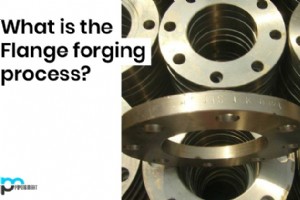
Forged flanges serve as critical junctions in piping systems, linking cylinders, valves, pumps, and other equipment. By combining two distinct sections of a structure, they create a robust attachment that enhances overall system strength. Industrial flanges are essential for connecting sheets, pump
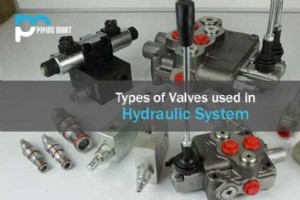
Hydraulic power systems are ubiquitous in automotive, aerospace, and industrial equipment, delivering a superior power‑to‑weight ratio and rapid, reversible operation. Their longevity and stability make them a trusted choice for demanding applications. Understanding the valve components that govern
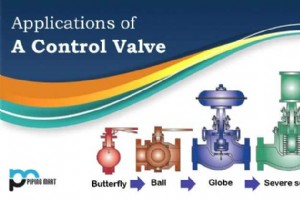
Control Valve Explained Control valves automatically regulate pressure and flow in industrial processes. In facilities that run at elevated pressures or temperatures, Class 300 valves are mandated; using Class 300 valves throughout a plant guarantees interchangeability and consistent performance. G

Pneumatic valves are the backbone of any compressed‑air system, directing airflow, controlling speed, and managing friction across a wide range of industrial and automotive applications. Selecting the right valve is critical for reliability, efficiency, and safety. How Do Pneumatic Valves Work? A t
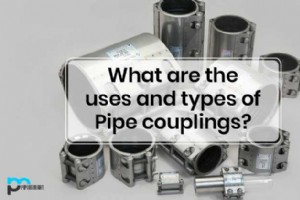
A pipe coupling, also known as a pipe joining, is a short segment of pipe or tube that connects two sections of piping. It can join equal or different diameters and is essential for maintaining pipeline integrity, adjusting wall thickness, or repairing leaks. In many piping systems, joints are made
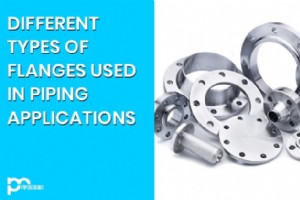
Types of Flanges Slip‑On Flanges Weld‑Neck Flanges Socket‑Weld Flanges Blind Flanges Spectacle Blind Flanges Lap‑Joint Flanges Reducing Flanges Threaded Flanges Square Flanges Long‑Neck Weld Flanges Expander Flanges Spade and Ring Spacer Flanges Weldo / Nipo Flanges Orifice Flanges Loose Flanges
Metal

Design Custom Homes with CNC Woodworking Machines: A Complete Guide

Inspiring Brand Marketing Strategies for Manufacturers – Real-World Examples
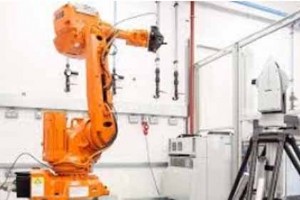
Accuracy vs Repeatability vs Resolution: Understanding Key Metrics in Industrial Robotics

How Advanced Signal Processing Enables Seamless Voice Assistant Interaction

