Industrial manufacturing
Metal

Overview A flange is a standardized joint that connects pipe sections, valves, pumps, and other equipment, allowing for reliable, leak‑tight seals and easy maintenance. Flanges are typically welded or bolted together with a gasket, and they come in a variety of materials—including stainless steel,

Overview of Pipes and Tubes In engineering, a pipe is a round conduit designed to transport fluids or gases, characterized by a nominal pipe size that approximates its flow capacity. A tube can be round, rectangular, square, or oval, defined by its outside diameter and wall thickness, and is measur

How Flanges Are Classified A flange is a flat or beveled edge that connects pipes, valves, or equipment. It can be external or internal and may serve for friction reduction or as a mounting point. Common types include pipe flange, blind flange (used to seal a pipe end), and stiffener flange (adds r

Introduction Stainless steel (SS) has been the backbone of modern industry for over a century. Its exceptional corrosion resistance, formability, and durability make it the material of choice for piping systems in oil & gas, petrochemicals, food processing, healthcare, and more. This guide details

A flange’s pressure rating (or class) is the maximum pressure it can safely handle at a given temperature, expressed in psi or bars. Higher‑class flanges are designed to withstand greater pressures, making them stronger and more durable than lower‑class equivalents. ANSI / ASME B16.5 Specification

Introduction to Flange Faces Flanges are essential connectors in the piping industry, joining two separate sections of pipe or equipment. Six primary flange face styles are commonly used: Flat Face (FF), Raised Face (RF), Ring‑Type Joint (RTJ), Lap Joint (M&F), Tongue & Groove (T&G), an

The ASME B16.5 Specification The ASME B16.5 standard covers steel pipe flanges and flanged fittings for nominal pipe sizes (NPS) ranging from ½ to 24 inches, and for pressure classes 150 to 2500. It details pressure‑temperature limits, dimensional tolerances, component layout, and the designation

Overview Stainless steel is a chromium‑based alloy that combines steel with elements such as molybdenum, copper, silicon, carbon, and aluminum. The result is a material that offers exceptional corrosion resistance, strength, and longevity. Because it can be formed into sheets, coils, bars, wires, p

In every industrial or commercial plumbing system, pipe fittings are indispensable. They enable secure joining, mounting, and termination of pipes, ensuring optimal flow and system integrity. Fittings come in various shapes, sizes, and materials, each tailored to specific hydraulic demands. While s

Bronze is a copper‑tin alloy that also may contain trace amounts of lead, silicon, and other metals. Unlike brass, which blends copper with zinc, bronze’s composition imparts superior strength, hardness, and corrosion resistance while remaining non‑magnetic. When the soft, ductile copper is combine

The aerospace sector demands materials that can endure extreme heat and pressure while maintaining structural integrity. Monel nickel alloys deliver on these requirements, offering exceptional performance at a competitive price. Longevity and resistance to corrosive environments are paramount in
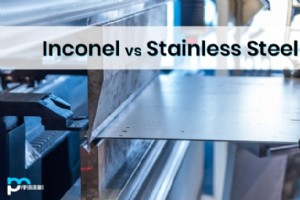
When selecting a material for wire forms or other critical components, customers often ask whether Inconel offers a strength advantage over stainless steel. The answer depends on the specific performance criteria you prioritize—tensile strength, corrosion resistance, or high‑temperature stability.

Niobium is a lustrous, white, ductile metal that forms a protective oxide film in air. The film’s thickness determines the visible hue—blue, green, or yellow—granting the metal excellent corrosion resistance. When heated to about 200 °C, niobium begins to oxidize rapidly. Its chemistry closely mirr
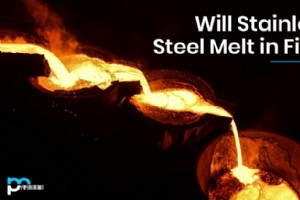
Stainless steel, often called Inox, is a nickel‑chromium alloy prized for its corrosion resistance and versatile applications. It is produced in sheets, plates, bars, wire, tubing, flanges, and more, making it a staple in industries ranging from surgical instruments and kitchenware to large‑scale c

What Is Stainless Steel? Stainless steel is an iron‑based alloy that incorporates 12–20 % chromium, giving it superior resistance to staining and rust. Since the 1800s, metallurgists have refined over 57 distinct grades, each tailored for specific performance requirements. The alloy’s high chromium

Water flow in factories, buildings, and residential complexes is regulated by a variety of specialized valves. This guide details the key types, their design, applications, and advantages to help you select the right valve for your system. Ball Valve Ball valves feature a spherical body with a cent

Inconel, a family of nickel‑chromium austenitic superalloys, is engineered to withstand extreme temperatures, pressures, and corrosive environments. Its unique chemistry forms a stable, dense oxide layer when heated, preserving strength and preventing oxidation even at temperatures that compromise

Overview of Military Body Armor Ballistic or military armor—commonly called a bullet‑proof shield—is a personal protective system designed to absorb the kinetic energy of bullets and shrapnel, reducing or eliminating injury to the wearer. Modern vests, or flak jackets, are typically constructed fro

Choosing the correct flange is critical for safe and efficient operation. A flange that does not match the pipe, pressure, or material can lead to costly failures. 1. Flange Type Identify the flange by its head and face: Head: welded neck, threaded bore, lap joint, flat face, socket weld, or ton

Wire and cable forming projects demand materials that balance strength, corrosion resistance, and temperature tolerance. Selecting the right material hinges on the specific application environment, load requirements, and exposure to chemicals or heat. Below is an expert‑reviewed list of the most
Metal