Industrial manufacturing
Metal

Safety Valves Safety valves are critical protection devices that automatically relieve excess pressure in gas or liquid systems. When the system pressure rises above the set threshold, the valve opens to vent fluid, safeguarding personnel, equipment, and the environment from potential explosions or
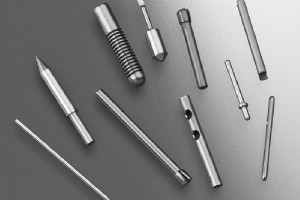
Key Properties of Refractory Metals – What You Need to Know If you’re working on high‑temperature components or exploring advanced alloys, understanding the core characteristics of refractory metals is essential. These metals underpin many critical technologies, from aerospace to nuclear power. Def
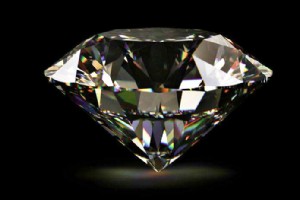
Industrial Diamond: How Tungsten Powers Modern Technology With an atomic number of 74 and an atomic weight of 183.84, tungsten is a dense, gray‑silver metal that remains remarkably hard and stable even at the extreme temperatures of 3,422 °C. Its unique combination of high melting point, excellent c
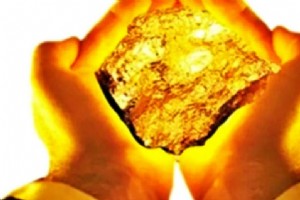
From Discovery to Industrial Powerhouses: The Evolution of Refractory Metals Refractory metals—elements or alloys that melt above 3,002°F (1,650 °C)—play a vital role in high‑temperature applications. Key members include tungsten, molybdenum, tantalum, niobium, titanium, zirconium, hafnium, vanadi
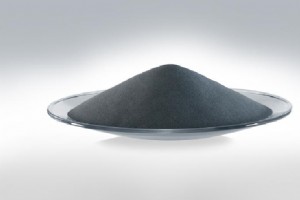
Sintering of Refractory Metal Powders In the high‑temperature world of advanced materials, sintering is the definitive step that turns a loose powder into a dense, functional component. By heating a compacted powder to its sintering temperature and holding it for a controlled period, the particles
Refractory Alloy Sintering Process Refractory alloy sintering is a controlled thermal transformation that produces dense, high‑performance components. The process is typically divided into six sequential stages, each governed by specific thermodynamic and kinetic principles. 1. Agent Removal &
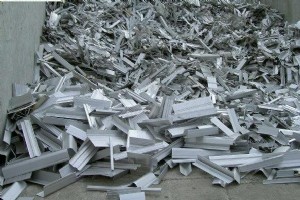
Molybdenum Recovery and Utilization: Current Trends and Techniques The global demand for molybdenum continues to rise, driving the industry to focus on efficient resource use and environmental stewardship. Since the early 2000s, developed nations have prioritized the recovery of molybdenum from wa
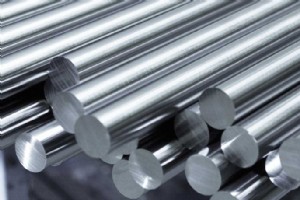
Molybdenum: A Superior Electrical Conductor and Heat Transfer Material Molybdenum: A Superior Electrical Conductor and Heat Transfer Material In advanced manufacturing, refractory metals—such as tungsten, molybdenum, tantalum, and niobium—stand out for their extraordinary resilience. With melting po

Tungsten (W) is a transition metal with atomic number 74, known for its extraordinary physical and chemical properties.Key characteristics include:Exceptional heat resistance – after carbon, tungsten boasts the highest melting point of all elements at 3,422 °C and a boiling point near 5,700 °C. Its
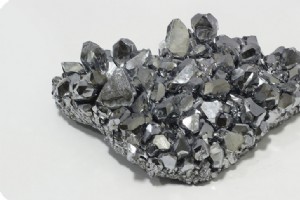
Niobium: A High‑Performance Material Driving Tomorrow’s Innovations Niobium (Nb) is a transition metal renowned for its exceptional chemical resistance, high melting point, and excellent formability. Although naturally gray, an anodized oxide layer imparts a vivid spectrum of colors, making it both
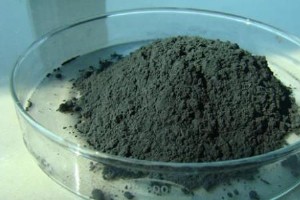
Rhenium Metal Powder: Applications in Superalloys, Catalysts, and Precision Instruments Rhenium (Re) ranks among the most refractory metals, with a melting point of 3,186 °C—only tungsten and carbon exceed it. Its exceptional strength, high density (21.02 g cm⁻³), and resistance to arc erosion make
More than 350 years ago, porcelain makers in China introduced a distinctive peach hue into their ceramics using a tungsten pigment unknown in the West. It wasn’t until a century later that European chemists became aware of this element. In 1779, Peter Woulfe examined a Swedish mineral and identifi
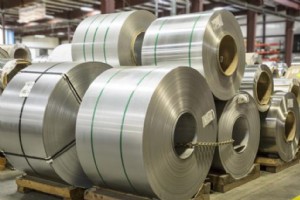
Cobalt Alloys: Composition, Key Properties, and Industrial Applications Cobalt (Co) is a lustrous, silvery‑blue, non‑ferrous transition metal that occurs in minerals such as smaltite, cobaltite, and erythrite. When alloyed with other elements, cobalt forms a family of high‑performance materials know
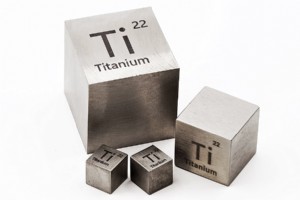
Titanium Today: From Aerospace to Medicine and Beyond In this article we examine how titanium, a hard, lustrous metal, is applied across modern industries. Though as strong as steel, titanium is far lighter, which makes it a prized alloying partner for metals such as molybdenum, aluminium, and iro
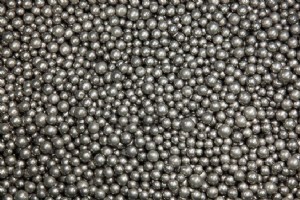
Which Metals Are Nickel‑Free? Nickel was first isolated in 1754 by Axel Fredrik Cronstedt when he examined a mineral from a Swedish mine. The element was confirmed as distinct in 1775 by Torbern Bergman, who produced pure nickel and proved its unique chemical properties. Nickel coins Nickel’s res
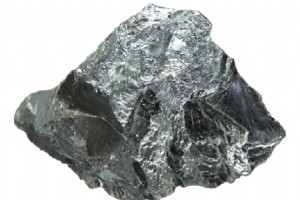
Which Elements Boast the Highest Melting Points? The melting point marks the temperature at which a substance transitions from solid to liquid. Among the periodic table, a select group of metals—known as refractory metals—exhibit exceptionally high melting points, often exceeding 2,000 °C, while r
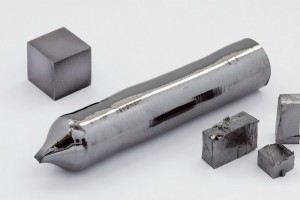
The Metal That Withstands Aqua Regia and Harsh Chemical Environments Corrosion, the deterioration of materials by environmental factors, poses a significant challenge in many industries. While austenitic stainless steels, Hastelloy, Monel, titanium alloys, platinum, gold, and rhodium are well‑know

The Crucial Role of Niobium in Modern SuperalloysRefractory elements such as niobium (Nb) and tantalum (Ta) are essential additions in both nickel‑base and iron‑nickel‑base superalloys. They provide the high‑temperature strength that defines these advanced materials.These alloys achieve their “supe
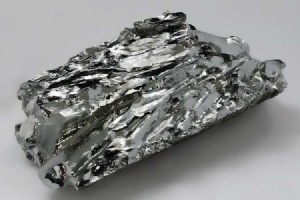
How Molybdenum Shapes Modern Industry Molybdenum (Mo) was first identified as a distinct element in 1778. Prior to this, its primary ore, molybdenite, was mistaken for a lead mineral due to its gray color and greasy feel. In the late 1800s, French metallurgists discovered that adding small amounts
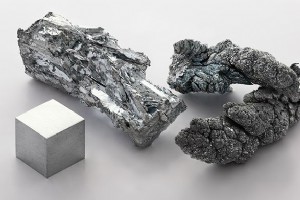
What Are Refractory Metals? An Expert Overview of Their Properties and Applications Refractory metals stand out for their exceptional resistance to extreme heat, corrosion, and wear. These attributes make them indispensable across diverse high‑performance industries. Key Characteristics All refrac
Metal