Industrial manufacturing
Metal
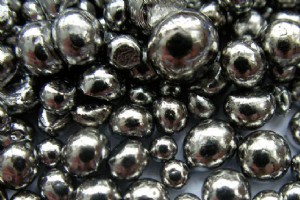
7 Expert-Backed Facts About Hafnium Hafnium (Hf) is a lustrous, silver‑gray transition metal with atomic number 72 and atomic weight 178.49. It belongs to group IVB of the periodic table and boasts a density of 13.31 g / cm³ (20 °C), a melting point of 2,233 °C (2,506 K, 4,051 °F), and a boiling p
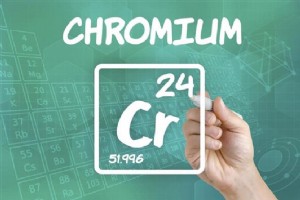
Chromium: 5 Key Industrial Applications & Everyday Uses Chromium is a lustrous, silver‑white metal renowned for its high melting point and exceptional corrosion resistance. These attributes make it indispensable across a spectrum of industries and daily life. Uses of Chromium 1. Metallurgical App

7 Fascinating Insights About Chromium: From Discovery to Health Impacts Chromium (Cr, atomic number 24) is a lustrous blue‑gray transition metal prized for its high melting point (1907 °C) and exceptional corrosion resistance. With a density of 8.65 g/cm³, it is both hard and ductile, making it in

Nickel: 5 Key Industrial Applications and Their Impact Nickel (Ni, 58.69 u) is a lustrous, silver‑white transition metal. With a density of 8.9 g cm⁻³, a melting point of 1,455 °C and a boiling point of 2,730 °C, it combines hardness, ductility, magnetic properties and outstanding corrosion resist
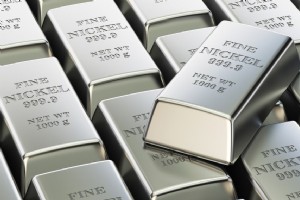
6 Fascinating Facts About Nickel – History, Properties, and Global Impact Nickel (Ni) is a silver‑white transition metal with a relative atomic mass of 58.69 and a density of 8.9 g/cm³. It melts at 1455 °C and boils at 2730 °C. Renowned for its ductility, magnetic character, and exceptional corros
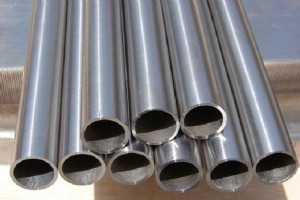
Titanium Tubes Explained: 9 Types & Their Industrial Applications Titanium tubes combine light weight, high strength, and outstanding corrosion resistance, making them indispensable in heat exchangers, nuclear reactors, and high‑pressure pipelines. Below we outline nine common variants and the env

Titanium Alloys Explained: Types, Properties & Key Applications Titanium is a versatile metal with a melting point of 1,668 °C. Below 882 °C it crystallizes in a hexagonal close‑packed (α) structure; above that temperature it adopts a body‑centered cubic (β) structure. By alloying with elements su

Titanium Wire: Applications, Types, and Industry Uses Pure titanium is a silver‑white metal known for its exceptional strength‑to‑weight ratio, corrosion resistance, and biocompatibility. Over the past decade, advances in alloying and manufacturing have expanded its presence across many high‑perform
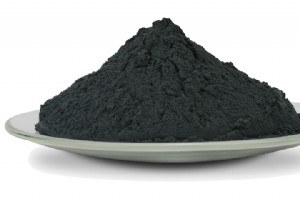
Tungsten Powder: Applications, Production Methods, and Industry Insights Tungsten powder is the finely ground form of the metal tungsten, essential for creating powder‑metallurgy components and high‑performance alloys. This article examines the principal industrial uses of tungsten powder and the
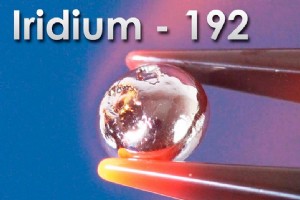
Iridium: Key Uses, Properties, and Industrial Applications Iridium is a rare transition metal in Group VIII of the periodic table, with symbol Ir, atomic number 77, and atomic weight 192.2. It occurs in the earth’s crust at roughly one part in ten million, typically alongside other platinum‑group

10 Key Applications of Indium in Modern Industry Indium is a silver‑white, slightly bluish metal (symbol In, atomic number 49, atomic weight 114.8). Its combination of ductility, low melting point, high boiling point, low electrical resistance, and corrosion resistance makes it indispensable acros
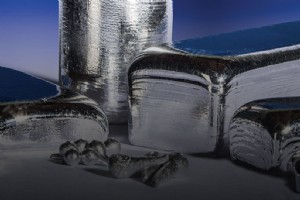
Indium Alloys Explained: Five Key Types and Their Applications Indium is a scarce metal found in trace amounts across the Earths crust. With a faint bluish sheen, a malleable texture, and excellent ductility, it is indispensable in aerospace, electronics, medical devices, defense, high‑tech and
8 Fascinating Facts About Zirconium Zirconium (Zr, atomic number 40) is a silvery‑white transition metal with a density of 6.49 g/cm³, a melting point of 1,852 °C and a boiling point of 4,377 °C. Due to its complex extraction process, it is often termed a rare metal. Below, we share eight expert‑b

Four Key Superalloy Classes and Their Industrial Applications Superalloys combine exceptional strength, hardness, corrosion resistance, and thermal stability with excellent processability. These attributes make them indispensable in aviation, aerospace, automotive, medical, chemical, petrochemical
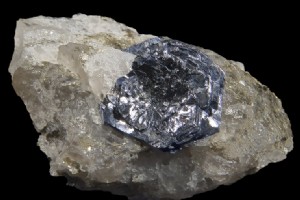
Molybdenum Uncovered: 7 Key Facts About the Versatile Refractory Metal Molybdenum (Mo, atomic number 42) is a dense, silver‑white metal with a melting point of 2,610 °C and a boiling point of 5,560 °C. It plays a critical role in modern industry and human health. Below are seven facts that highl

Tantalum: 5 Fascinating Facts About the High‑Temperature Refractory Metal Tantalum (symbol Ta, atomic number 73) is a lustrous, bluish‑grey metal renowned for its exceptional ductility and one of the highest melting points among elements—2980 °C. With a density of 16.68 g/cm³, it ranks as the third
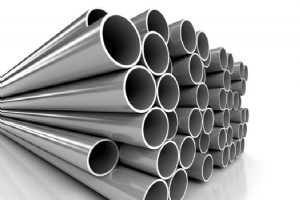
Titanium: Key Chemical Properties and Corrosion Behavior Titanium, first isolated in the 1950s, has become indispensable across aerospace, medical, energy, and sporting goods industries due to its lightweight strength and excellent corrosion resistance. Its chemical behavior, however, is complex
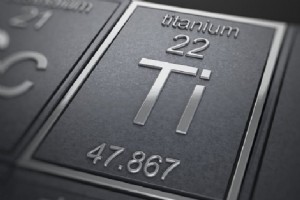
Titanium: Key Physical Properties and Industrial Significance Titanium is a silvery‑white transition metal celebrated for its lightweight, high strength, and exceptional corrosion resistance. It ranks 10th in Earth’s crust yet remains a rare metal because its natural distribution is sparse and ext
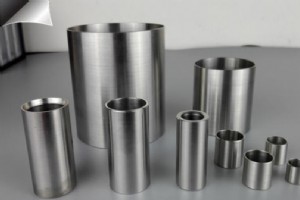
Molybdenum Alloys: Composition, History, and Industrial Applications Molybdenum alloys are non‑ferrous materials with a molybdenum matrix reinforced by elements such as titanium, zirconium, hafnium, tungsten, and select rare‑earths. Their exceptional high‑temperature strength, low thermal expansi

4 Advanced Rhenium Alloys and Their Key Applications Rhenium is a silvery‑white, rare metal known for its exceptional melting point, hardness, and corrosion resistance. Stable in air and insoluble in hydrochloric acid, it remains inert to hydrogen and nitrogen. Because of its high cost, rhenium is
Metal