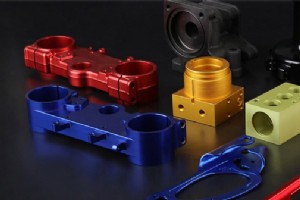
Industrial manufacturing
Metal
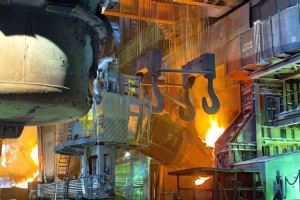
Understanding the influences of chemical composition and post-weld heat treatment The correct material specification of a casting must be identified before placing an order with a foundry. This ensures the desired casting will have the necessary qualities for best performance and durability. Orders

An introduction to the investment casting process Investment casting, also known as precision casting or lost-wax casting, is a manufacturing process in which a wax pattern is used to shape a disposable ceramic mold. A wax pattern is made in the exact shape of the item to be cast. This pattern is c
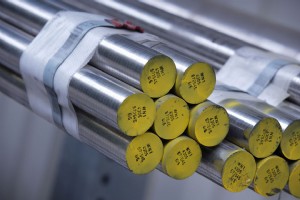
The defining characteristics of steel Steel grading systems consider chemical composition, treatment, and mechanical properties to enable fabricators to select the appropriate product for their application. Aside from the actual percentage of carbon and other alloys in the material, the microstruc

Safety pole covers enhance protection and raise driver awareness Youve installed steel pipe bollards on your property, perhaps to set off a pedestrian area or to keep vehicles away from your building. Unfortunately, pipe bollards dont look good on their own, and without additional surface protecti

The chemistry of corrosion: how to clean and protect your metal items Rust is the common name for the chemicals that result when iron reacts with oxygen and water. “Rust” is poorly defined in chemistry, however—lots of chemicals can be formed when iron is left exposed. However, we generally refer
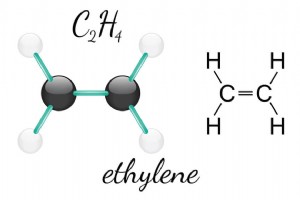
The 101 on this ubiquitous modern material Polyethylene is by far the most common type of consumer plastic, and is used in many everyday materials. It is a thermoplastic product, meaning that it can be melted into a liquid and then cooled back into a solid, many times over. Different processing con

Chemical layers that protect metal from corrosion Many metals are vulnerable to corrosion when exposed to air and water. Corrosion can cause metal stress and part failure, so metallurgists seek ways to defeat it. One such method is metal passivation, a lesser-known method of corrosion-proofing a s

Polyurethane often doesnt seem like plastic. What is it & how is it produced? Polyurethane is a polymer joined by urethane links. These links are formed by reacting a di- or poly-isocyanate with a polyol. Polyurethane is unique in that it is not manufactured like many other plastics. Most poly
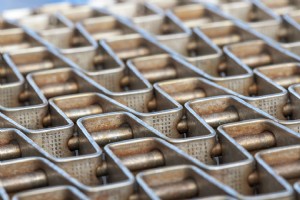
Steps to support rust-resistance Stainless steel contains carbon, iron, and chromium. This chemistry, along with polishing and passivation steps in manufacturing, encourages the alloy to develop a chromium oxide layer. This layer is what gives the metal its prized rust resistance. Yet chromium oxi

For some metals, rust can be a good thing As a material that satisfies tough, industrial requirements and offers appealing aesthetics, metal is used for products everywhere. Metals boast resilience and strength in heavy-duty applications and hardscape supplies. In infrastructure, metal can be style

Metallurgy for Brewers Craft beer is in a renaissance. Whether it’s home brew or a professional micro-brewery, true beer fans are starting to care more about flavor than advertising. To achieve specific flavors, professional and hobby brewers alike put time and energy into selecting ingredients: W
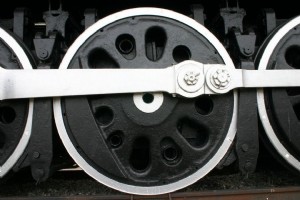
An overview of metal casting in a foundry Our lives are filled with cast metal products. Many of the metal objects we take for granted – train wheels, trailer hitches, lamp posts, large scale industrial equipment, and even sculpture – are cast in a foundry. The sheer number of different applicati

Impact protection and premium design When it comes to pedestrian safety, there are many different types of bollards that urban planners and architects can use to protect people and property from vehicle intrusions. Steel bollards in bright colors line many street corners and parking lots—but not ev
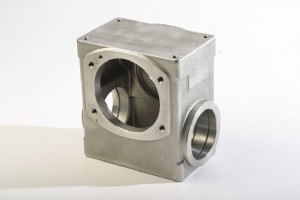
Lost wax, one-time molds create precision products with finer surfaces What is investment casting? Investment casting, often referred to as lost-wax casting, uses an expendable-mold process to create complex products with exceptionally fine surfaces. It’s a precision technique because of the vers

What Is Non-destructive testing (NDT)? Non-destructive testing (NDT) is a testing and analysis technique used by industry to evaluate the properties of a material, component, structure, or system for characteristic differences or welding defects and discontinuities without causing damage to
What is Corrosion? Corrosion is a natural process when a refined metal is naturally converted to a more stable form such as its oxide, hydroxide, or sulfide state this leads to deterioration of the material. It is the gradual destruction of materials (usually a metal) by chemical and/or elec
Rusting of iron is a chemical change because a new substance iron oxide is formed. The presence of oxygen and water or water vapor is essential for rusting. Rusting of iron is a continuous process that slowly eats up the iron objects and makes them useless. What is a Chemical Change? A ch
What is Rust? Rust is an iron oxide, a usually reddish-brown oxide formed by the reaction of iron and oxygen in the catalytic presence of water or air moisture. Rust consists of hydrous iron(III) oxides (Fe2O3·nH2O) and iron(III) oxide-hydroxide (FeO(OH), Fe(OH)3), and is typically associate
What is Composite Materials? A composite material is a combination of two materials with different physical and chemical properties. When they are combined they create a material that is specialized to do a certain job, for instance, to become stronger, lighter, or resistant to electricity.
While the chemical composition of a metal determines a large part of the mechanical properties, the mechanical properties of many metals can be changed by heat treatment. There are many different types of heat treatment available today, and one of the most popular methods is annealing. What
Metal