



Understanding Electrical Connectors: Types, Functions, and Best Practices
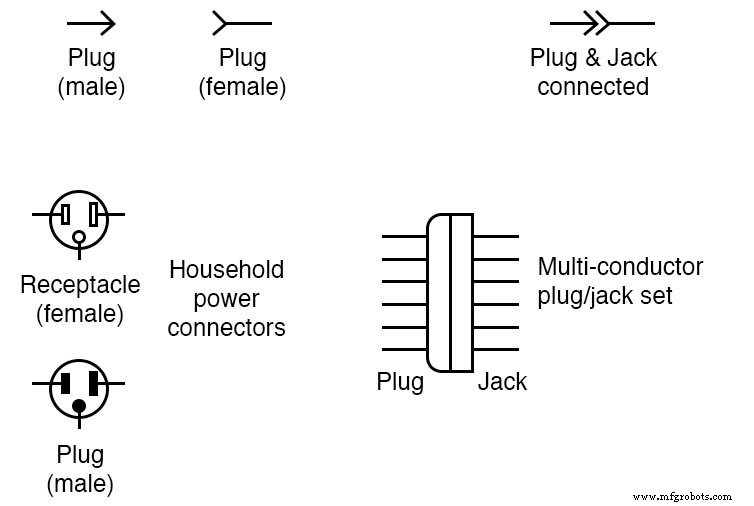
Electrical connectors are essential electro‑mechanical components that enable reliable power and signal transfer between devices. They form the backbone of modern electronic systems, ensuring that circuits can be built, modified, and maintained with precision.
At their core, connectors comprise a male plug and a female jack. The design allows for a secure mechanical bond that simultaneously delivers an electrical path. Depending on the application, this bond can be temporary—such as the quick‑connects used in portable equipment—or permanent, forming an integral part of a circuit that is not intended to be disconnected.
Some connectors require a tool for assembly or disassembly, which helps guarantee a tight fit and reduces the risk of loose connections that could lead to intermittent faults. Others are designed for tool‑free operation, ideal for environments where speed and simplicity are paramount.
When working with components that have incompatible connector types, an adapter provides an effective solution. Adapters translate between differing pin configurations or form factors, enabling seamless integration without the need to redesign entire subsystems.
RELATED WORKSHEETS:
- Electrical Connections Worksheet
Industrial Technology
- Titanium: Key Properties, Applications, and Industrial Uses
- Castanets: History, Craftsmanship, and Performance
- The History, Production, and Future of Glue: From Ancient Adhesives to Modern Innovations
- Thread: Types, History, Production, and Quality Control
- Acetylene: Production, Uses, and Handling – A Comprehensive Overview
- Comprehensive Overview of Asbestos: From Ancient Uses to Modern Health Risks
- The History, Design, and Manufacturing of Dice: From Ancient Tools to Modern Gaming
- Plywood: History, Production, and the Path Ahead
- Master Electrical Design: Optimize Projects with E3.schematic Features
- Essential PCB Components: Resistors, Capacitors, Diodes, and Transistors Explained