Industrial manufacturing
Industrial Technology

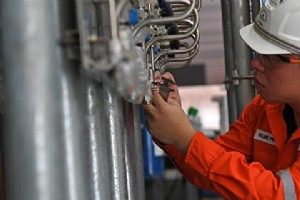
3 Rules for Analyzer Accuracy Stacey Phillips, Field Engineering Manager (Americas) In most applications, operators trust analyzer results to indicate whether their product is meeting specifications. But when analyzer results are not accurately reflecting an end product’s characteristics, it&r
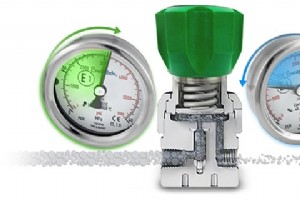
How to Manage Supply Pressure Effect (SPE) in Pressure-Reducing Regulators Used in Industrial Gas Systems Wouter Pronk, Senior Field Engineer, Swagelok Fluid system operators running a process line from a gas cylinder source may occasionally observe the phenomenon of outlet pressure increasing in
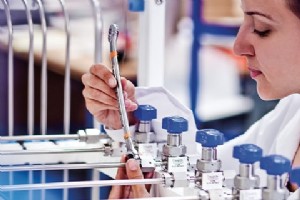
Why Proper Gas Distribution Is Essential for Optimized Laboratory Operations Wouter Pronk, senior field engineer, Swagelok Imagine yourself as a laboratory technician. As you perform your intended testing or analysis, you approach a point of use for a particular gas. You activate a mechanism to ob
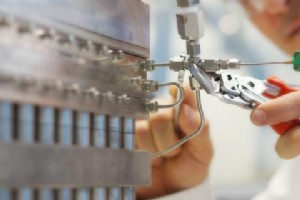
How a Leading Microreactor Manufacturer is Embracing the Challenge of Empowering the Worlds Chemists Microreaction technology has developed into an exciting tool for use in modern industrial production, chemical engineering, and process engineering across the globe. Its use is growing in a variety o
How to Use a Regulator to Reduce Time Delay in an Analytical System Mike Strobel, Field Engineering Supervisor Process measurements are instantaneous, but analyzer responses never are. From the tap to the analyzer, there is always a time delay. Unfortunately, this delay is often underestimated or mi
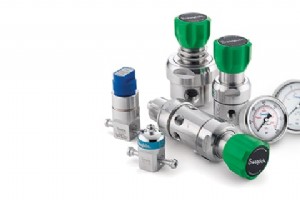
Back-Pressure Regulator Set-Up: Tips for Sampling System Engineers Jon Kestner, Product Manager Back-pressure regulators play an important role in maintaining upstream pressure and protecting sensitive equipment in sampling systems used in many industrial facilities. To make proper use of a back-pr
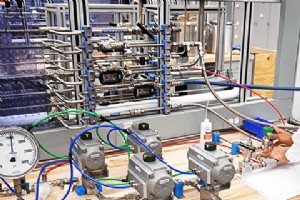
Why Safe Industrial Pressure Regulator Performance Requires Rigorous Testing Back-pressure regulators and pressure-reducing regulators are used in a wide variety of industrial environments around the world. They must often provide uncompromising performance in harsh conditions, from high temperature
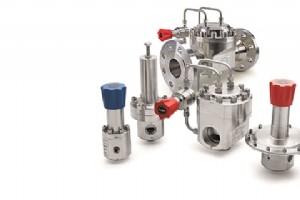
How to Flatten a Regulator Flow Curve to Reduce Droop Jon Kestner Consistent pressure control is essential to the safe operation of industrial fluid systems. Maintaining a reliable downstream pressure with a regulator can help minimize flow rate changes, especially in a high-flow system. However, i
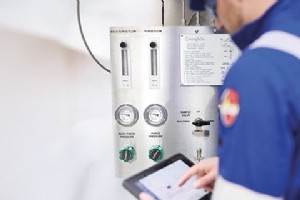
How to Reduce Fugitive Emissions With Closed-Loop Sampling Systems Unintentional release of emissions into the atmosphere can occur at various locations throughout refineries or chemical plants. And due to increasingly stringent regulatory measures across the globe, there has never been more pressu
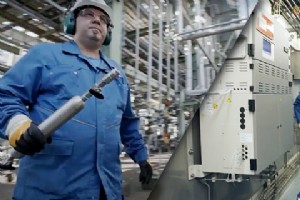
Grab Sampling vs. Online Analyzers: Which is Right for You? Sampling is a necessity for all kinds of industrial facilities—and there are two main options of how operators can effectively do it. The traditional method of grab sampling—also called spot sampling, field sampling, or just sa
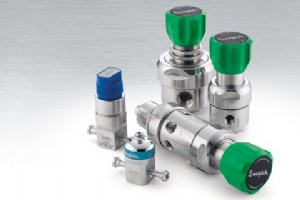
How to Troubleshoot Common Regulator Problems Industrial fluid system processes rely on precise fluid temperature, flow, and pressure settings to operate as intended. Many key components, including pressure regulators (or pressure-reducing valves), are critical in maintaining your necessary process

Your Most Pressing Questions Answered: 2021 in Review From semiconductor fabs to offshore oil and gas platforms to research laboratories, our customers do business in a variety of high-stakes environments. But sometimes, these diverse industries face common challenges. These shared challenges are r
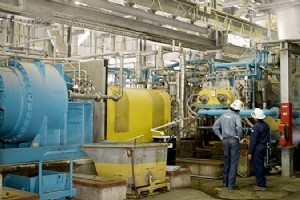
How INEOS Achieves Analytical Instrumentation Precision Advanced specialty polymers are increasingly important to our modern world. Just ask anyone from INEOS, a global petrochemicals manufacturer that produces solutions for markets including fuels and lubricants, food packaging, construction, texti
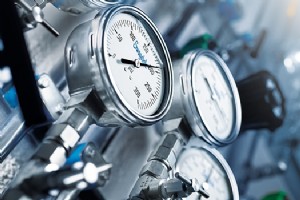
How Can You Tell A Gauge Is Broken or May Fail? Dave Ross, Senior Technical Service Engineer Pressure gauges seem small but are a critical part of systems across industries. The visual indication of system pressure they provide lets you know whether everything is operating within the desired range o
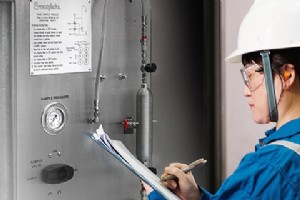
Best Practices for Sampling Gases and Volatile Liquids Matt Dixon, Senior Principal Design Engineer, Swagelok Optimizing your chemical processing costs and maintaining high-quality product outputs require regular capture of representative process fluids for laboratory analysis. Grab sampling—
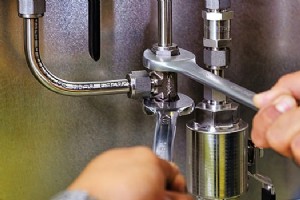
Why You Should Not Intermix Tube Fittings From Different Manufacturers Fluid and analytical instrumentation systems rely on dozens of quality components working harmoniously to keep operations running efficiently. Any performance lapses can result in leaks, potential safety concerns, and system down
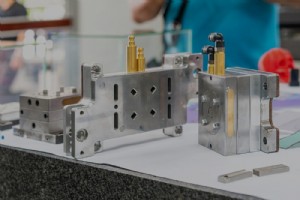
Injection mold tooling is one of the most significant cost factors during a product’s production run. Not only do you need to take into account the cost of sourcing and machining your tool material, but you also need to remember that your part’s size and complexity can affect your total

This mask is meant to be printed on a filament extrusion, personal-grade 3D printer. From this page, you can download a package containing an STL file and detailed instructions on what you need to make and assemble this mask. By downloading this, you agree to our terms and conditions.
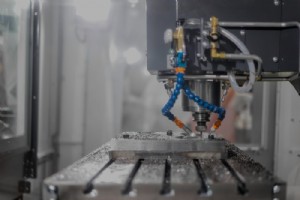
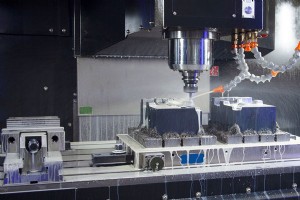
CNC machining is a popular and efficient subtractive manufacturing method capable of producing precision parts from a variety of materials, typically metals or plastics. Regardless of material choice or production volume, performing some key evaluations and adjustments when designin
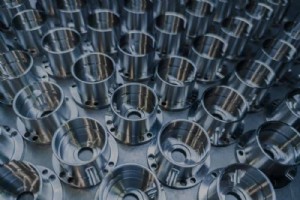
The post-processing stage of a CNC machining project is arguably one of the most crucial, as it preps and puts the finishing touches on your part. There are numerous post-processing options available, and determining which is best for your part depends largely on what material it’s made
Industrial Technology