Industrial manufacturing
Industrial Technology

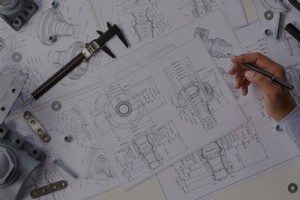
Tolerances indicate how much a part’s measurements can vary from its ideal dimensions. They are a core aspect of Geometric Dimension and Tolerancing (GD&T), which deals with communicating design intent for manufacturing purposes. The point of creating tolerances isn’t to prevent unav
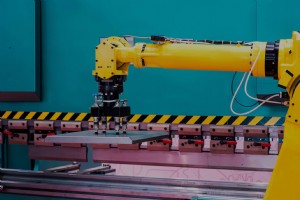
To say that the effects of the COVID-19 pandemic have been wide-reaching is an understatement. Few industries have gone untouched by the COVID-19 pandemic, the manufacturing sector included. While many sectors were already embracing the advantages of Industry 4.0 prior to the pandemic, t
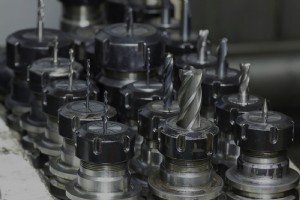
CNC machining is a subtractive manufacturing method that creates parts by making computer-controlled cuts to a solid block of material. Because the CNC process is digitally programmed, it offers product teams a number of potential advantages, including increased efficiency and precision.
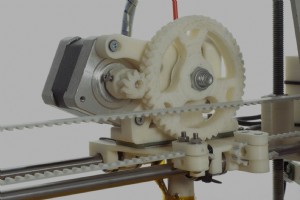
Polyoxymethylene (POM), more commonly known as acetal or its branded name Delrin®, is an engineering plastic offering low friction, high stiffness, and excellent dimensional stability. Polyoxymethylene is a category of thermoplastics and includes many different formulations of the materi
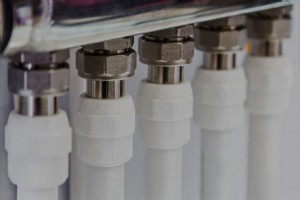
Injection molding is a popular manufacturing method that helps product teams create extremely accurate and consistent components across high-volume production runs. Injection molding is a fast, cost-effective, and versatile process that’s adjustable to your production needs and compatibl
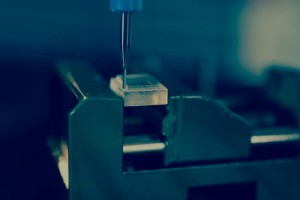
Plastic CNC machining is a subtractive manufacturing process in which a solid block of plastic is placed against a moving cutting tool that removes material from the block. The cutting tool follows a set tool path, guided by a digital design file, in order to shape the final part. CNC ma
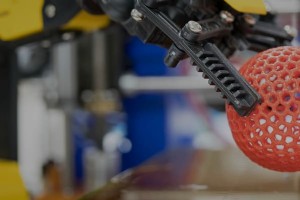
PEEK was first conceived in 1978 — relatively recently by manufacturing standards — as a high-temperature resistant material for cable insulation. Over the past 50 years, PEEK has developed into one of the most widely used materials for high-performance applications. In fact, PEEK is

When manufacturing metal components, it’s important to take the surface finish into consideration. Metal finishes improve the part’s overall appearance and can help boost part performance by increasing factors such as corrosion resistance and wear resistance. Anodizing is a popular fi

Plastic food packaging is essential for maintaining product freshness and quality in transport, prolonging shelf life, and meeting Food and Drug Administration (FDA) regulations. Plastics that come into contact with consumable products must adhere to FDA regulations and use materials gua

Nobody’s perfect, and neither are manufactured components. Manufactured parts naturally have minute variations due to the inconsistencies that occur in the manufacturing process. We can’t eliminate them entirely, but we can control and account for these variances. Engineers use geomet
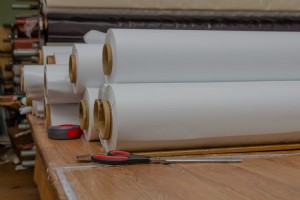
Polyvinyl chloride (PVC) is one of the most commonly used polymers on the market today. Naturally stark white and very rigid, PVC is also one of the world’s oldest plastics. PVC was first synthesized in 1872 but not mastered for commercial applications until 1913 when a German inventor n

In manufacturing, we classify some plastics as “tough.” Toughness measures a material’s ability to resist high-impact forces without breaking, fracturing, or deforming. A tough material is strong and can bear loads of force, but it’s also ductile and able to stretch under pressure. To
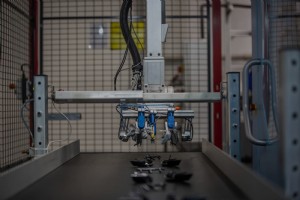
Injection molding is a manufacturing process that enables you to quickly and consistently produce uniform parts at low costs. During the injection molding process, a highly pressurized nozzle fills a mold with molten material, which then cools and hardens in the mold. Afterward, the mold
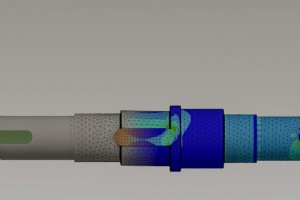
Finite element analysis, also known as FEA, is the virtual simulation of a physical component using a mathematical technique called the Finite Element Method (FEM). The roots of FEA date back to the sixteenth century, and the first true use of FEA dates back to Schellback’s work in 1851.
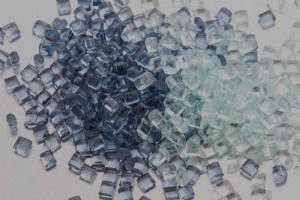
Polyethylene (PE) was discovered just before the turn of the 20th century and instantly became an industry favorite. Thanks to its affordability, machinability, and compatibility with other materials, polyethylene is still a staple in the manufacturing industry. PE is widely used across
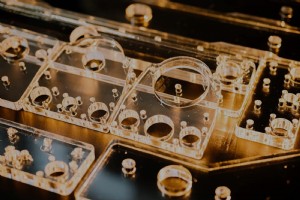
Acrylic, also known as Polymethyl Methacrylate, or PMMA, is a naturally clear, colorless polymer that is widely accepted as an alternative to glass. It is lightweight and durable, boasting resistance to shattering, scratching, weathering, UV light, and environmental wear-and-tear. Acryli
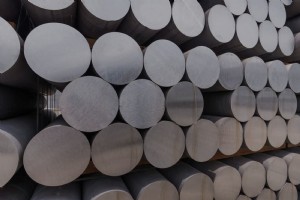
Aluminum is a lightweight yet incredibly strong metal, making it an excellent choice for many applications in the automotive, aerospace, and electronics industry. Along with its durability and physical lightness, aluminum is corrosion-resistant due to a strong layer of oxide film coverin

For a precise and versatile manufacturing method, many designers and engineers turn to CNC machining. This subtractive manufacturing process uses computer-controlled rotating cutting tools, such as drills and end mills, to carve away at a solid block of material. CNC machining can create

Polyethylene terephthalate, more commonly known as PET, is a lightweight clear plastic that’s used for countless packaging applications. One of the world’s most well-known plastics, PET was first synthesized in the mid-40s by DuPont chemists who were trying to create polymers that could
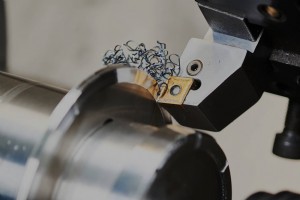
Computer Numerical Control (CNC) machining is a traditional manufacturing method that creates parts by removing material from a solid block, known as the workpiece or blank. However, the term “CNC machining” can actually refer to a number of processes, each of which uses different too
Industrial Technology