Industrial manufacturing
Industrial Technology

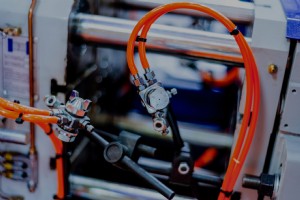
Injection molding is a simple and effective manufacturing process with a rich history. The first injection molding machine was created in 1872 by John Wesley and Isaiah Wyatt, and used a plunger to inject plastic through a heated cylinder into a mold. The injection molding industry pr
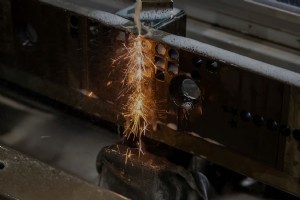
CNC machining is a subtractive manufacturing process that uses computer-controlled cutting tools to remove material from a solid workpiece, revealing a finished part. This technique is fast, compatible with a wide variety of materials and production volumes. A number of processes fall un
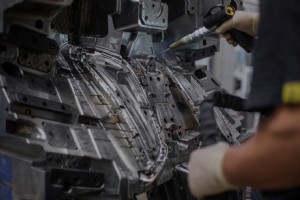
Injection molding enables high volume production of identical parts at a low price per part. The process involves injecting molten material into durable metal molds through a pressurized nozzle, ejecting the part once the material has set, and repeating. A wide range of everyday items, i
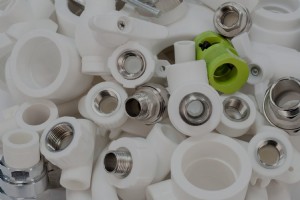
Insert molding is an injection molding process that is related to overmolding, but is distinct in a few key ways. Whereas overmolding refers to injecting a second resin onto a firmer plastic substrate — which allows product teams to mold ergonomic devices, power tools grips, and rubber g
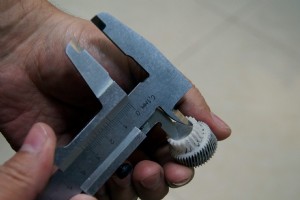
Injection molding is a versatile manufacturing method ideal for mass production. The process involves injecting molten thermoplastics or thermosets into durable metal molds, ejecting the part once it has cooled, and then repeating that process. This allows manufacturers to quickly and ec
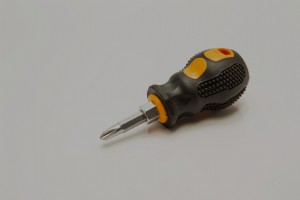
Injection molding is a popular manufacturing process that’s ideal for quickly creating precise parts with intricate shapes, all without leaving behind a lot of material waste. Common applications include packaging, automotive dashboards, mechanical parts like gears, and even popular kids
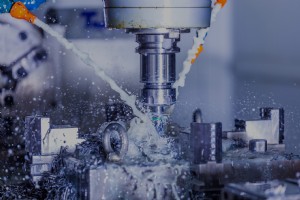
A computer numerical control (CNC) machine is a device programmed to transform numerical code into Cartesian coordinates in order to transform raw material into a finished part. CNC milling is a specific type of CNC machining that leverages computerized controls and a milling machine to
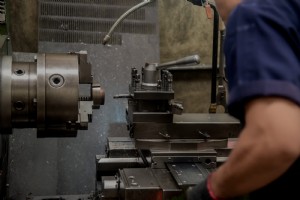
Prototyping is an integral stage of the production lifecycle that helps designers and engineers ensure that their part designs are fully validated and optimized before manufacturing begins. Prototypes and mock-ups can be used to demonstrate proof-of-concept or to test specific material o
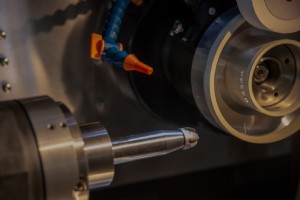
CNC machining is a traditional manufacturing method that utilizes cutting tools and rotation to make a predetermined series of cuts to a solid block of material. The cutting operations are derived from digital design files, which can be distributed to multiple CNC machines simultaneously
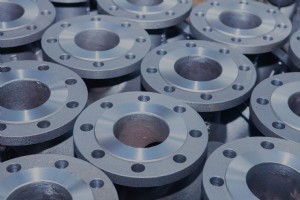
In sectors that require high-performance, durable parts, such as the automotive, aerospace, and robotics industries, steel and aluminum tend to be the materials of choice for many applications. However, steel and aluminum have very different physical characteristics and price points, so
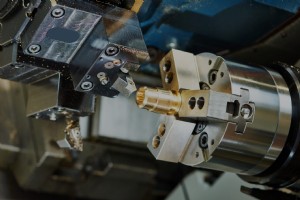
Naturally hard metals like tungsten and chromium are fairly rare in the manufacturing industry. In fact, most metals are naturally soft, relatively speaking, but made strong enough for manufacturing by adding alloys or bending, stretching, or hammering the material. Soft, nonferrous (
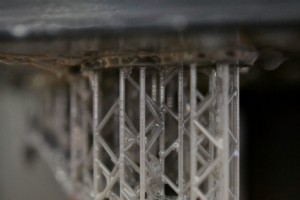
Additive manufacturing, commonly referred to as 3D printing, is a manufacturing method that lays down successive layers of material driven by the contours of a 3D model to create physical objects. The field of additive manufacturing has witnessed steady growth in both technological devel

When product teams go through the material selection process, they’re looking for, among other things, a material with mechanical properties that are suitable for the final part’s end-use. This ensures that the material won’t be used in applications beyond its yield strength. Still, even
Mass customization refers to a trend in marketing and manufacturing that allows customers to select and modify specific features of a product or service to meet their needs, while still retaining the low per-unit cost that comes with producing items en masse. Historically, mass produc
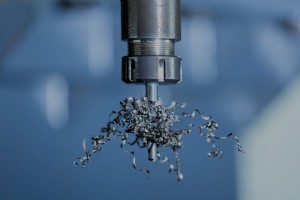
By Shant Alexanian, Key Account Manager, Fast Radius Computer numerical control machining, or CNC machining, is a manufacturing method that uses computer-programmed tools to create fully-customizable, highly precise parts. CNC machining’s precision, accuracy, and flexibility makes it the
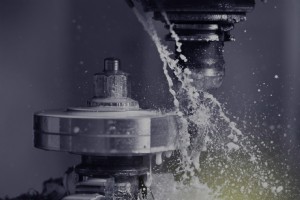
Computer numerical control (CNC) machining, a subtractive manufacturing process that employs computerized controls and machine tools to remove layers of material and produce a desired part, is one of the most commonly used manufacturing techniques. However, it’s actually based on technol

Today’s product teams have their pick of countless secondary processes and finishing options when putting the final touches on a new part. However, not all finishing options are made equal, and not all are well-suited for a given application. For example, some finishes provide a part wit

Stainless steels are among the most popular material options for metal manufacturing, and are used in applications ranging from cookware to automotive components to chemical processing equipment. Many stainless steel items are produced via CNC machining, a versatile manufacturing method
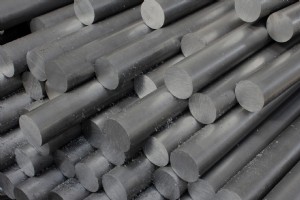
CNC machining is a traditional manufacturing process that uses drills and turning tools to create a part by removing material from a solid block of material. This process is fast, highly repeatable, and ideal for creating parts with tight tolerances. CNC machining can be done with any ma

By John Nanry, Co-Founder and Chief Fulfillment Officer, Fast Radius It’s been more than seven months since COVID-19 upended the status quo around the globe. It goes without saying that it’s been a complex, tumultuous time for everyone — especially if you work in manufacturing. T
Industrial Technology