


Industrial manufacturing
Industrial Technology


Manufacturers tend to use metals like nickel and stainless steel for high-performance applications because they are highly heat-resistant. Nickel-based alloys, for example, retain their strength in environments with high temperatures, cyclical thermal exposure, and high levels of carbon.
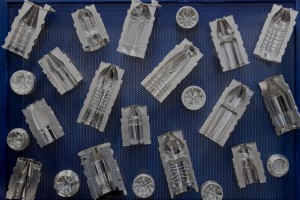
Tooling, or machine tooling, refers to the process of building the different types of components and machinery necessary for manufacturing. Tooling can be broken down into two broad categories — soft and hard. Soft tooling is a cost-effective approach to tooling that’s ideal for low-v
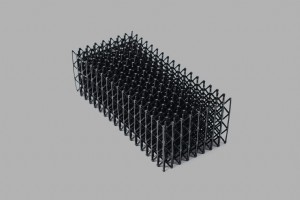
With the growth of additive manufacturing, there has been a lot of buzz around lattices — structures composed of repeating unit cells. Previously impossible to manufacture, lattices can now be leveraged for functions such as lightweighting, foam replacement, enhanced heat transfer, aes

Every new product goes through a set of defined — but not necessarily linear — phases on its way to becoming market-ready. First, there’s the concept or ideation phase, during which product teams think through the features their product may need and brainstorm potential designs. From the

How to choose the right corrosion-resistant material Material selection is a crucial part of any manufacturing process. Choosing the right material is so important because the material defines the chemical and mechanical properties of the component being manufactured, can significantly in
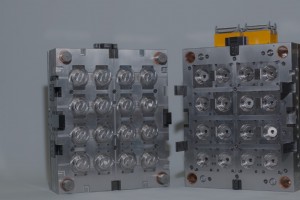
When to use a single-cavity mold or a multi-cavity mold One of the most widely-used methods in plastic parts manufacturing today, injection molding can facilitate large, cost-effective production runs of identical parts. In fact, in most cases, injection molding is the most cost-effective
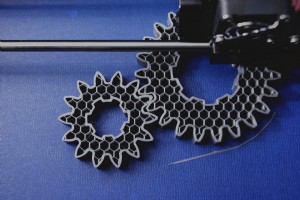
Though traditional manufacturing techniques can effectively produce basic shapes with uniform cross-sections, creating parts with hollow interiors or complex geometries presents unique challenges. However, with sacrificial tooling, designers and engineers don’t need to compromise on shap

ABS plastics are a family of common thermoplastic resins characterized by their high-impact strength, rigidity, and chemical resistance. Created by polymerizing a rubberlike toughener with styrene and acrylonitrile compounds, ABS plastics are relatively inexpensive to produce, easy to CN
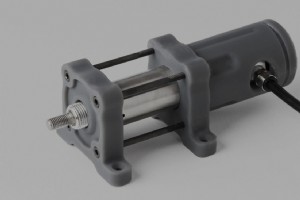
Stereolithography (SLA) is a 3D printing process that uses photopolymerization to build parts with high-quality surface finishes, excellent resolution, and intricate designs. SLA typically isn’t suitable for high-performance applications, but engineers can strengthen parts and effec
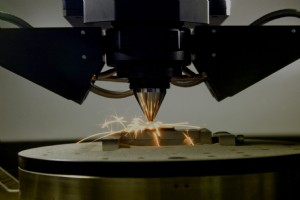
The boom of commercial 3D printing has given rise to a number of common misconceptions about the process. For instance, many believe that additive manufacturing processes can only use plastics. In reality, engineers can also create 3D printed parts using metals. For projects involving

Nylons are a family of strong engineering plastics. Nylons are low-friction plastics, which makes them ideal for replacing metal components like bearings or bushings. Additionally, nylons create less operating noise and wear on mating parts, often allowing for external lubrication to be

The benefits of applying textures to injection molds are well known — they allow companies to curate the aesthetic of a product and avoid expensive post-processing operations. Designers can control how matte or shiny their molded part is and cover imperfections such as flow lines o

Medical device manufacturers face unique challenges when it comes to product development because they’re trying to break into a very heavily regulated market with a lot of oversight. Since medical equipment has a direct impact on health outcomes, medical device manufacturing demands extr

Polypropylene is a thermoplastic polymer resin that can be easily combined with other composites. This material is extremely popular among engineers, particularly for injection molding, because it is exceptionally durable and suitable for a wide variety of use-cases. Common applications

By John Nanry, Co-founder and General Manager, Fast Radius The Internet of Things (IoT) is a global trend that combines the power of the internet, data processing, and advanced analytics and applies them to objects that one might not expect to be connected to the internet. The IoT enables

CNC machining is a subtractive manufacturing method that uses tools and rotation to create parts from solid blocks of material. Parts can be machined in a number of different ways, which makes CNC machining a versatile manufacturing process that can be used to create everything from auto
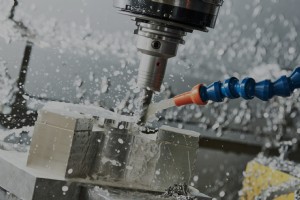
Though it’s one of the most consistent, precise, and flexible manufacturing methods available, CNC machining can be prohibitively expensive, discouraging some product teams from exploring the technology. However, understanding the factors that influence the cost of CNC machining can also

Medical devices are challenging products to manufacture. The combination of regulatory requirements and life critical components make the development expensive and technically difficult. Stage 1: Ideation and conceptualization The first step to developing a medical device is iden
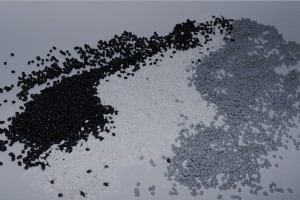
Thermoplastics are plastic polymers with low melting points that become molten when heated, solid when cooled, and can be remolded or remelted after the curing process. They’re strong, flexible, and easy to use since post-processing is often minimal or not required. What’s more, therm

There are three commonly recognized forms of maintenance: reactive, preventative, and predictive. The simplest form of machine maintenance is a reactive process; when a machine breaks, it’s removed from operations, repaired, and then returned to service as quickly as possible. While this
Industrial Technology
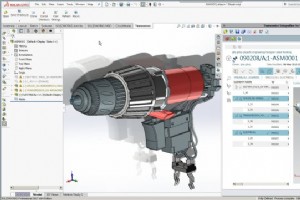
SolidWorks for 3D Printing: What You Need to Know
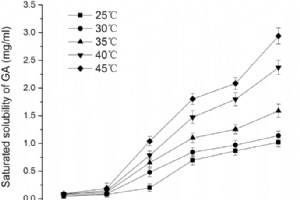
Optimizing Glycyrrhetinic Acid Liposomes via Lyophilization Monophase Solution: Preformulation, Design, and In‑Vitro Evaluation

Master eMaint’s Change Log: Your Audit Trail for Precise Asset Tracking
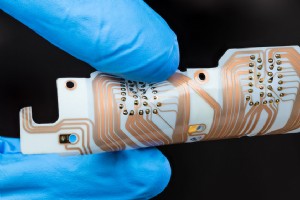
Polyimide PCBs: Advanced Materials for High-Performance Electronics
