


Industrial manufacturing
Industrial Technology


There are many different factors, including ease of ignition and flame spread capabilities, that can influence a plastic’s flammability. In order to properly study flammability and definitively determine how flammable a particular plastic is, engineers and product teams turn to the UL 94

A thread is a small ridge wrapped around the length of a cylinder in a spiral shape. They’re used to either convert rotary motion into linear motion or prevent linear motion without the corresponding rotation. Internal threads, like the standard nut, are threads found on the inside or co
Engineering plastics, a group of plastics that have better mechanical and thermal properties than other plastics, are often used as replacements for traditional engineering materials such as wood, metal, or rubber. Two of the most commonly used engineering plastics are acetal (known by m

In an age that demands not only greater customization but also faster turnaround times and reduced waste, on-demand manufacturing is an increasingly popular means of producing products in the precise quantities needed — and immediately when they’re needed. Unlike traditional manufactu

By Charlie Wood, PhD, Director of Engineering Research and Development, Fast Radius Engineers are used to hearing no. Whether it’s bold ideas getting shut down or the pressure for designs to conform to manufacturing conventions, engineering can be a tough field for innovation. Througho
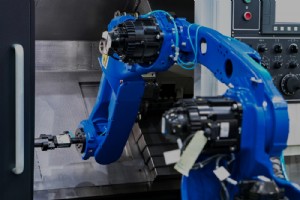
If you look closely at the innovations coming out of the top industries today — automotive, medical, aerospace — odds are you’ll find some form of robotics technology. Recent advancements in computing and sensory technology have inspired explosive growth in advanced robotics manufacturin

Just like human skin, plastics are prone to UV damage. When designing components, you should anticipate the effects of UV corrosion and prepare your materials to handle the harsh sun. Luckily, there are many ways to increase a material’s UV resistance. UV resistance refers to a materi

Injection molding is a simple manufacturing process used to rapidly and consistently produce parts in unique shapes. The process of plastic injection molding begins with heating up thermoplastic pellets. This molten material is then injected into a hardened steel mold through a pressuriz
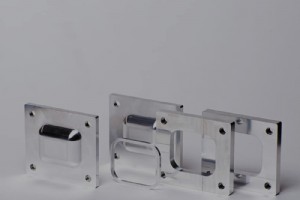
Most product designers and engineers know to never cut corners during the component creation process, especially when it comes to designing corners. Besides a sharp corner, which is the conventional geometry between two joining surfaces or vertices, you can choose to design corners as ei

When designing products for outdoor use, remember that even the strongest plastics can degrade over time. Many factors like mechanical stressors, part geometry, and climate — hot water and steam, cool air and condensation, and rapid temperature changes — can influence the service life of

The global consumer electronics industry right now is massive. According to Statista, revenue in the consumer electronics sector is expected to reach $415 billion in 2021 and $487 billion by 2025. As such, designers and engineers must prepare to fulfill the growing desire for consistentl

Acrylonitrile butadiene styrene (ABS) is an impact-resistant engineering thermoplastic created from acrylonitrile, butadiene, and styrene polymers. It’s strong, durable, and compatible with many manufacturing processes, including injection molding, fused-deposition modeling (FDM), and ev
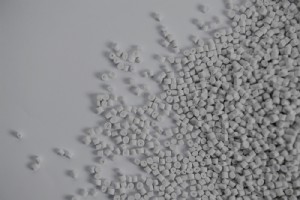
Polypropylene and polyamide — commonly known as nylon — are two common plastics for manufacturing end-use parts. Plastics are made from bonded polymers and can be naturally occurring or synthetic. Synthetic polymers are derived from chemically bonding monomers together using heat, pressu
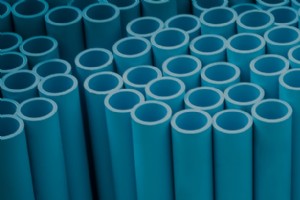
When engineering a plastic component that will come into contact with harsh chemicals for any period of time, you must prioritize chemical resistance as much as possible. There are many factors that influence the chemical resistance of a part, including: Temperature: Higher temperatur
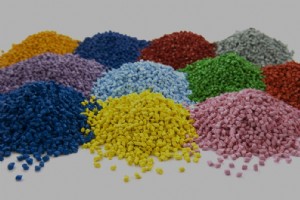
The manufacturing industry is vast, and it goes without saying that the material possibilities within it are almost limitless. Between thermoplastics, thermosets, different kinds of filaments, and cutting-edge 3D printing resins like LOCTITE 3D IND405, you’ll usually be able to find a pl
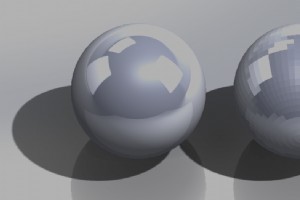
Computer-aided design (CAD) modeling is the process of using 3D models to test, refine, and reiterate part design plans before physical production starts. In contrast to 3D rendering, CAD modeling is primarily functional and the 3D CAD models you create will often translate into the dire

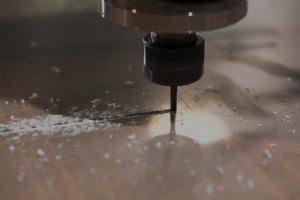
CNC machining is a traditional manufacturing process that uses high-speed computer-controlled cutting tools to remove material from a solid workpiece and reveal a finished part. Since this process is largely automated, product teams can generally “set it and forget it,” trusting that the

CNC machining is among the most popular manufacturing methods because the process is highly versatile, repeatable, and reliable — plus, it is compatible with a broad range of materials, from wood and plastic to foam and metal. Product teams that focus on DFM throughout the design phase c
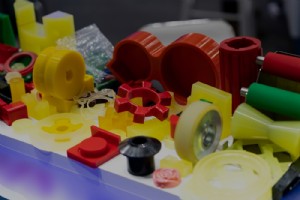
Urethane casting is a versatile traditional manufacturing process that uses a 3D-printed master pattern and a silicone mold to create end-use plastic parts. During the urethane casting process, the master pattern is placed inside a sealed box, covered with liquid silicone, and then cured
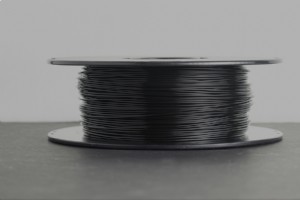
Fused deposition modeling (FDM) is a simple and versatile 3D printing technology that uses molten thermoplastic material to create a finished part. During this process, thermoplastic FDM material is melted inside the heated printing nozzle of the FDM machine and then extruded onto a set
Industrial Technology

ZrOx-Based Negative Capacitance FET Delivers Sub‑60 mV/dec Subthreshold Swing

How Vertical Integration Accelerates Manufacturing and Delivery

Reliability‑Centered Maintenance (RCM): A Maintenance Manager’s Blueprint for Cost‑Effective Asset Performance
Using Procedures in VHDL: Simplify Your Design with Reusable Code
