


Industrial manufacturing
Industrial Technology

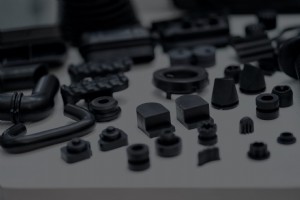
Engineers often rely on metals to create robust products because they are strong, typically corrosion resistant, thermally stable, and are fairly well understood across the engineering community. Given advances in highly engineered thermoplastics and thermosets, manufacturing techniques,

Capable of producing highly detailed prints, Carbon® Resin Urethane Methacrylate (UMA 90) is often an excellent choice for mechanical manufacturers. UMA 90, the proprietary urethane methacrylate resin produced by Carbon, is a single cure resin designed for prototyping and producing me
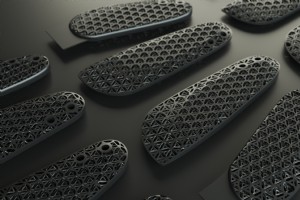
FPU 50 is an excellent, versatile choice for parts that require impact resistance, including 3D-printed hinges and friction fits. Flexible polyurethane (FPU 50) is a resin material developed by Carbon® that is used in 3D printing. FPU 50 is a semi-rigid material with built-in elastici
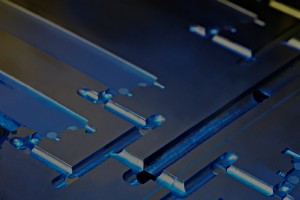
What is overmolding? Overmolding is a multi-shot injection molding process that produces a single product from two or more different thermoplastics. The first “shot” is called the substrate, which is typically the more rigid of the two materials being used and is designed to accep
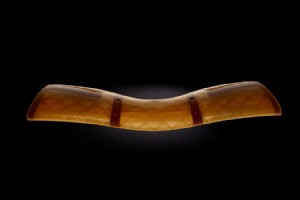
An introduction to ULTEM plastics High-performance plastic polymers fall into two categories: thermosets and thermoplastics. Thermosetting polymers are those that solidify to an irreversible hardness after curing due to chemical bonds within the plastic. The polymer hardens in a cross-lin
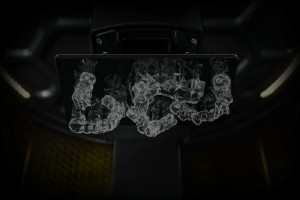
Whip Mix Surgical Guide for Carbon® printers is primarily used to create crystal clear surgical guides that dental surgeons can use to place implants. It has also proven a strong option for prototyping clear or translucent parts. Printing with Whip Mix is fast and precise,
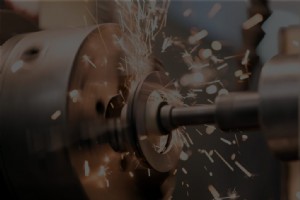
There’s evidence that machining has been used to make objects as far back as several hundred years B.C., but Computer Numerical Control (CNC) machining as we know it started in the 18th century, when steam was used to automate production processes. In the late 1940s, researchers at MIT d
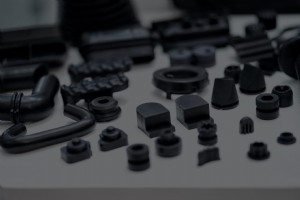
Have you ever stopped to ask if your metal parts really need to be metal? You could be over-engineering without realizing it. This 60-second video to explains the benefits of converting your metal parts to plastic with additive manufacturing. Transcript: Have you ever stopped to

Choosing the right 3D printing technology for your product can be a challenge. At Fast Radius, we do a detailed assessment to determine the right processes and materials for our customers. Watch this 60-second video for the top three factors to consider when choosing an additive manufa
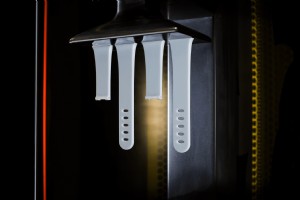
Silicone 30 (SIL 30), is an additive material specifically developed by Carbon® for its Digital Light Synthesis (DLS) process. This silicone urethane offers a unique combination of biocompatibility, low durometer, and tear resistance. Applications that require comfort for skin contact ar

Part consolidation with additive manufacturing is a great way to reduce cost and improve performance. This 60-second video explains how additive can help you save time, money, and effort by combining multiple parts into one. Transcript: Consolidating parts with additive manuf
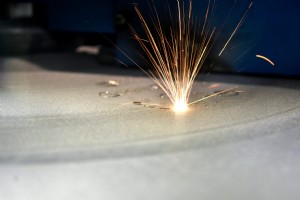
Metal additive manufacturing is exciting for the new things it makes possible. It’s already helped create lighter parts for more fuel-efficient aircrafts and improved the lives of patients with custom medical implants. The market is growing too, with analysts predicting that metal additi
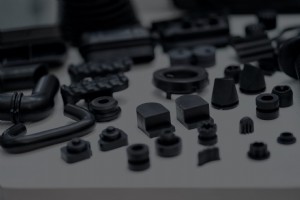
Additive manufacturing can be a great option for making a variety of parts in your bill of materials, but it’s hard to know where to start. This 60-second video shows you three common applications that make great candidates for additive. Transcript: Every day I help engineers
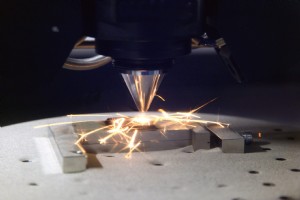
Metal additive manufacturing has proven to be an excellent option for the right applications; the aerospace, tooling, medical device, and automotive industries have embraced metal additive in recent years to build specialized parts that traditional processes are still not able to create.

Additive manufacturing can handle much more than just prototyping. This 60-second video explains why you should think about using additive for production parts. Transcript: Today’s additive manufacturing can do so much more than prototyping. Here’s why it’s time to think about

Additive manufacturing can be a cost-effective way to make products if you know how to calculate the cost-saving and revenue-generating opportunities. To aid in this process, Fast Radius created a model called Total Value of Additive (TVA) that will help you build a business case

Additively manufactured lattice structures can be great replacements for conventional foam. Lattice structures enable tailored mechanical responses that would be nearly impossible to create any other way. See how lattices could replace foam in your next product. Want to learn more?
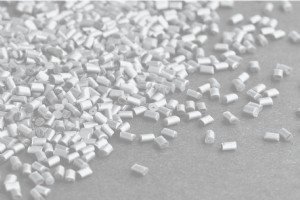
One of the most common questions we get from customers looking to making an existing part with additive manufacturing is, “What’s the comparable additive material I can use to make sure my part will turn out the same?” In some cases, material selection can be relatively straightforwar

While it’s possible to use additive manufacturing to replicate an existing part that’s produced using traditional methods, it isn’t the best use of additive manufacturing. To maximize a part’s performance, cost savings and material usage, it’s best to design it from the ground up with th

Rigid Polyurethane (RPU, a.k.a. RPU 70), a material developed by Carbon® for their Digital Light Synthesis (DLS) technology, can be classified as one of their most versatile rigid materials. Known for its toughness, strength, and ability to withstand heat, RPU 70 can be used across
Industrial Technology

Understanding FDA 21 CFR Part 820: cGMP Compliance for Medical Devices

Future‑Proof Performance: The 1970 Plymouth Roadrunner Could Define Tomorrow’s Classic Cars

Premium Gold Finger Plating for Edge Connectors – Precision Beveling & Reliable Connections
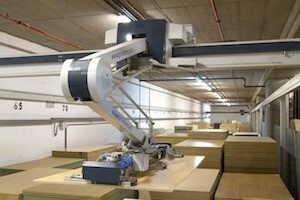
Warehouse Automation Explained: Benefits, Processes, and ROI
