Industrial manufacturing
Industrial Technology

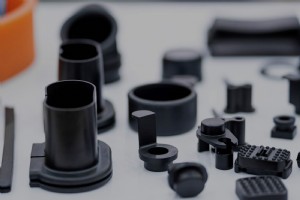
Injection molding is a popular manufacturing process that makes it possible for product teams to quickly create large volumes of identical parts with consistently high quality. The process works by injecting melted plastic through a heated and pressurized nozzle and into a durable, tempe
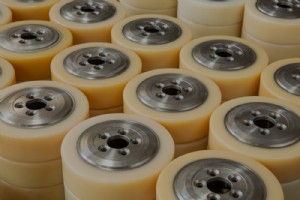
Urethane casting is a rapid and cost-effective method for producing end-use plastic parts in low to medium volumes. The process involves creating silicone casting molds from a part’s master pattern, then cutting the molds in half so that they can be brought to production. Able to support
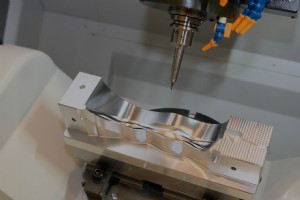
CNC machining is a family of subtractive manufacturing techniques that use computer-controlled processes to fabricate parts by removing material from a larger block. Because each cutting operation is computer controlled, multiple machining stations can manufacture parts from the same des

Medical device development is a time-consuming and laborious process, with the typical time to market averaging three to seven years. While this may seem relatively short compared to other medical products (new drugs take an average of 12 years to bring to market, for instance), the medi
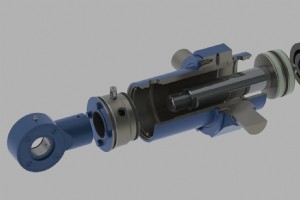
The terms “design for manufacturing and assembly” (DFMA) and “design for assembly” (DFA) refer to a set of practices and principles that seek to tailor the conceptual and design phases of product development to the given manufacturing method and in such a way that ensures the ease and co
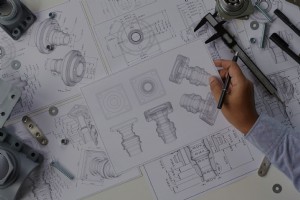
Despite the advancements of the digital era and updated enterprise software, many manufacturing companies still support outdated design and production systems to ensure they are able to create parts they have made in the past. However, this arrangement can actually be a liability. As

While the success of the modern supply chain depends on a number of factors, there’s one that recent market trends demonstrate is more important ever: efficiency. Increased consumer demand, coupled with expectations for faster order fulfillment, have made it essential for warehouse an
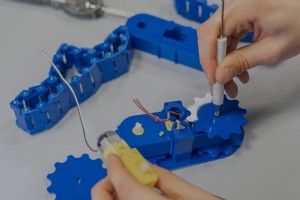
While some product teams specialize in producing large volumes of simple, single-component parts, many develop parts that will feed into a larger assembly. Whether it’s for something as simple as a pen or as large or complex as electronics or automotive chassis, the practice of designing
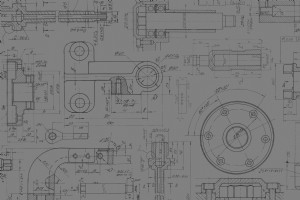
We’re thrilled to announce a major update to our online quoting and ordering system: you can now get instant feedback on your part designs for additive and traditional manufacturing, including injection molding, CNC machining, HP Multi Jet Fusion (MJF), Carbon Digital Light Synthesis (DL

Electricity is a powerful, yet delicate force that is the key to our modern world. At any point, a person might wear or interact with several electronics at once, from cell phones to smartwatches and life-saving medical devices. While consumers might take these devices for granted, a tre
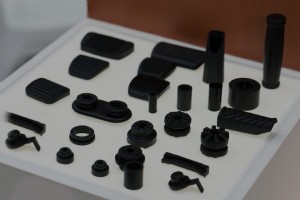
Cast urethane is a manufacturing method that allows designers and engineers to consistently create production-quality plastic parts with a range of material properties. The process begins by placing a master pattern — which is essentially a replica of the desired final part — in a mold b
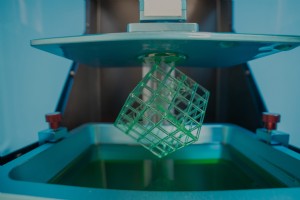
The best parts aren’t made by chance — they’re the product of hours of testing and refining designs before production even begins. Prototyping plays a key role in the product design process, helping engineers detect potential flaws or issues in a part’s design early on. With this informa

If you’re looking to 3D print parts that mimic the properties of silicone, consider Elastic Resin from Formlabs, which is designed to offer high elongation and energy return, mimicking the look and behavior of silicone. Soft resins of this type are often used to produce parts vi
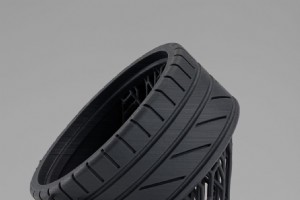
The term “resin” can refer to both solids and liquids, but most often refers to liquids that harden with the application of heat, light, or setting agents. Flexible Resin is part of a subset of resins made by Formlabs that are relatively soft and malleable. While some resins lack stif
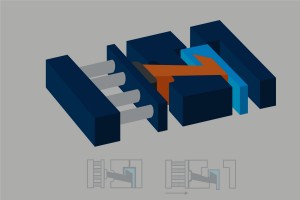
Injection molding is a production method that allows manufacturing companies to quickly create large quantities of identical products. The process involves using a highly pressurized nozzle to fill a variety of molds with molten material. Typical straight-pull injection molds have two

By Shant Alexanian, Key Account Manager, Fast Radius One of the biggest challenges facing the automotive manufacturing industry is the constant push for technologies that enable engineers to produce parts that are lighter in weight, higher in strength, and lower in cost. This has led many

By Tristan Antonsen, Application Engineer, Fast Radius Lattices are three-dimensional structures that consist of a series of repeating unit cells created by a pattern of intersecting beams and nodes. These micro-architectures have gained popularity in recent years for a number of reasons,
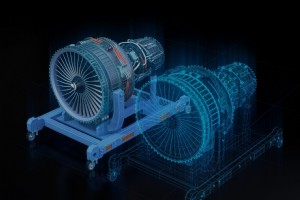
Digital twin technology is software solution that uses sensors, cameras, and other forms of IoT data collection to create a virtual model of a process or product that not only interactively updates with its physical counterpart, but can also be used to test how the part or process respon
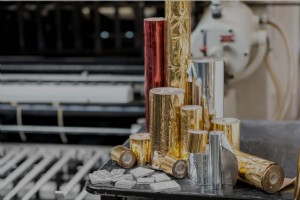
What is hot stamping? Hot stamping is a lithography printing process that uses heated image molds or stamping dies to transfer metal foils or pre-dried inks onto a surface. Typically, the process works as follows: the hot stamping machine heats an engraved mold or die, which then p
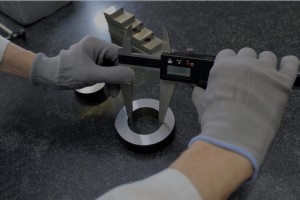
During periods of peak demand, manufacturers can produce thousands — if not millions — of parts per week. This is made possible by manufacturing processes that can be automated, requiring minimal worker oversight. Many manufacturing processes — like CNC machining and injection molding
Industrial Technology