Industrial manufacturing
Industrial Technology

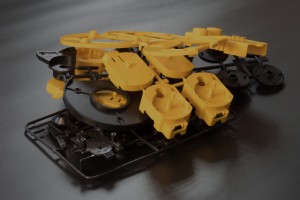
Injection molding is a useful method of production that gives manufacturers the ability to create identical parts in high volumes with consistent quality and characteristics. During production, a pressurized nozzle shoots molten plastic into a durable metal mold designed to let the part
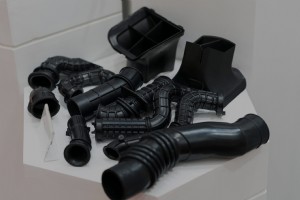
Prototyping is a key phase of the manufacturing lifecycle that typically links the end of the design stage with the start of production. The process enables designers and engineers to refine part design, gather feedback, and gain stakeholder buy-in. Prototypes can be created a number of d

Many parts for automotive applications are mission-critical, and thus need to be constructed of durable, reliable, and often corrosion- and heat-resistant plastics. Automotive manufacturers also must meet a strict set of industry regulations, and the materials they select for manufacturi
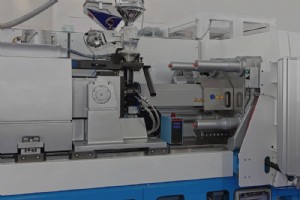
Injection molding is a simple and repeatable process that’s ideal for mass-producing parts with intricate shapes. This process uses high heat and pressure to inject melted material into the injection mold before cooling the material. After cooling, you can open the mold and reveal your f
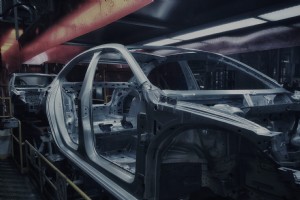
As concerns over driver safety and fuel economy have become more prominent, automotive manufacturers have sought to make all aspects of the vehicle production lifecycle more efficient. Part of this ongoing optimization process includes thoroughly considering the material properties that

On-demand manufacturing is an operational model that calculates production volume based on actual demand, rather than on projections. This approach takes advantage of recent developments in manufacturing technology to make small-volume, customized production a cost-effective option for p
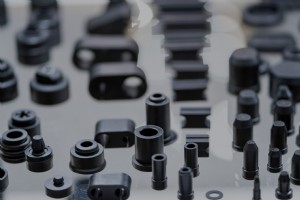
Historically, manufacturing in low volumes was a prohibitively expensive undertaking. Tooling the durable molds that are used in mass-production processes like injection molding is expensive and can add weeks or months to production timelines. Manufacturers offset steep upfront capital e
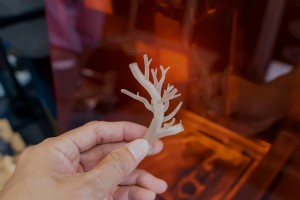
3D printing was pioneered by Charles W. “Chuck” Hull, who had the idea to use computer-aided design software to create three-dimensional objects. Hull built a machine that used a UV laser to engrave layers of acrylic into shapes before stacking the layers to build objects. He patented th
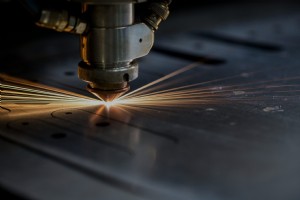
Laser cutting is the process of using high-power beams of light to cut, slice, or bore materials. Developed in the 1960s at the Welding Institute in England, the process has become increasingly popular. In fact, metal laser cutting machines now account for the largest product segment of
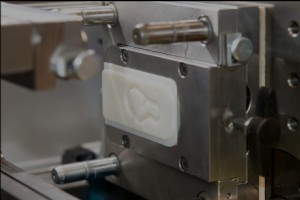
Many of the objects we encounter in everyday life are made using traditional manufacturing processes. From hardware and automotive parts to electronics, plastic packaging, and more, much of what surrounds us has been thoughtfully designed and manufactured to prioritize functionality.

Each additive manufacturing technology has its own unique capabilities and its own set of strengths. To help you better understand each of these technologies and what sort of products and parts they’re best suited for, we’ve drawn upon the knowledge of our engineers to create these compr

Over the last few years, companies around the globe have experienced supply chain problems, showing that the global pandemic has had consequences for businesses large and small. On top of the surge in consumer demand, there was a shortage of shipping containers and dockworkers, a decline
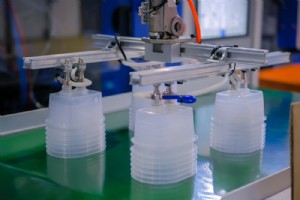
Injection molding is a popular and versatile manufacturing process that enables companies to produce high-volume production runs for a relatively low cost-per-part without sacrificing quality. It’s highly repeatable and capable of producing strong components that meet strict mechani

There are countless thermoplastics on the market today, from acrylic to polyetherimide. Polypropylene and nylon are two other thermoplastics commonly used in manufacturing, so it’s important to understand the qualities of each before you consider these materials for your next project.
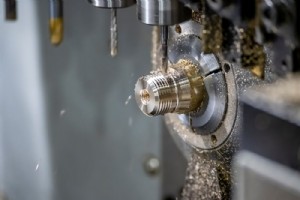
In 2021, the global Computer Numerical Control (CNC) machine market size was $56.40 billion. Given how fast, precise, and automated this manufacturing technology is, it’s hardly surprising that the global machine market is expected to grow in the coming years. As the demand for CNC machi

Electronic elements have been playing an increasingly active role in automotives. Currently, a top-level vehicle contains more than 200 electronic control units some of them are sensors and processors applied in car cockpit. It can be concluded that value of electronic products serving for automo
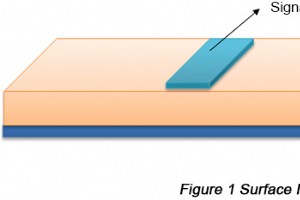
In order to be compatible with the development requirement like miniaturization, digitalization, high frequency and multiple functions, metal wires on PCBs (Printed Circuit Boards) as interconnect devices in electronic equipment not only determine the opening of current flow, but also play a role
As a preliminary step of PCB manufacturing process, PCB layout is one of the most significant phases in PCB design since its quality essentially determines that of PCB routing, which further affects the final reliability and functionality of PCBs. Therefore, it can be concluded that reasonable PC

As a must-have part held by electronic products, Printed Circuit Boards (PCBs) play a key role in implementing functionality of electronic products, which leads to the protruding importance of PCB design because PCB design performance directly determines function and cost of electronic products.
QFN Package Recent years have witnessed wide applications of QFN (Quad Flat No-lead) package components owing to their comprehensive advantages including excellent electrical and thermal performance, light weight and small size. As no-lead package, QFN components have received numerous focuse
Industrial Technology