



Atmosic Low‑Power Wristband Powers Bluetooth 5 Contact Tracing for Toronto Wolfpack Events
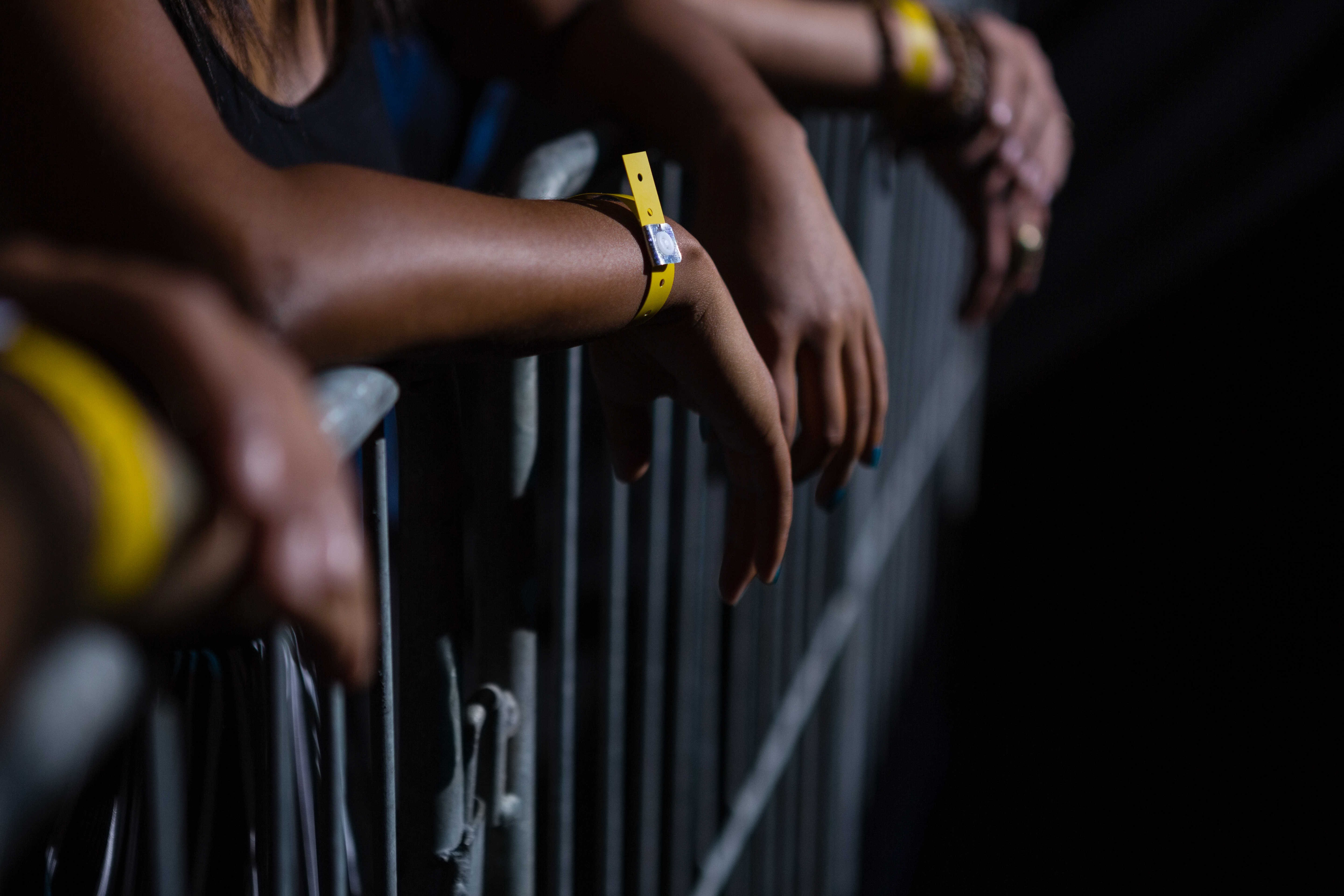 The AllSafe Wristband, built on Atmosic’s ultra‑low‑power Bluetooth 5.0 M2 SoC, will be distributed to fans attending Toronto Wolfpack rugby matches at Lamport Stadium and other Canadian venues this season.
The COVID‑19 pandemic has reshaped how we gather, and as venues reopen, there is a pressing need for a low‑cost, highly efficient tracking system that can protect attendees and staff.
TraceSafe and Atmosic have combined forces to embed the Bluetooth 5.0‑based M2 SoC into each wristband, delivering reliable device‑to‑device connectivity for contact tracing. Bluetooth 5 offers a signal range of over 100 m in open space, quadrupling the distance of version 4.2 and allowing users to move freely without losing connection.
The M2 system‑on‑chip also supports long‑range connectivity to external gateways, making it ideal for large‑scale deployments.
“Reopening the economy is vital, but it must be done safely,” says David Su, CEO of Atmosic Technologies. “A robust contact‑tracing system reduces the number of people who need to be tested when someone tests positive. Wearable devices fill gaps left by phone apps – for example, schoolchildren, nurses, factory workers and patients often don’t carry a phone during work. We’re actively developing these solutions as demand grows.”
Battery life for wearable devices
The rise of the Internet of Things is driving demand for simple, long‑lasting wearables. Analysts project that about 40 billion connected devices will be on the market in the near future.
“That’s a massive number,” comments Su. “We see two growth categories: user applications and technology. Wearables rely on Bluetooth as the final link before data moves to Wi‑Fi or cellular 5G. The second category is timely for COVID‑19 – extending contact‑tracking to people in real‑time.”
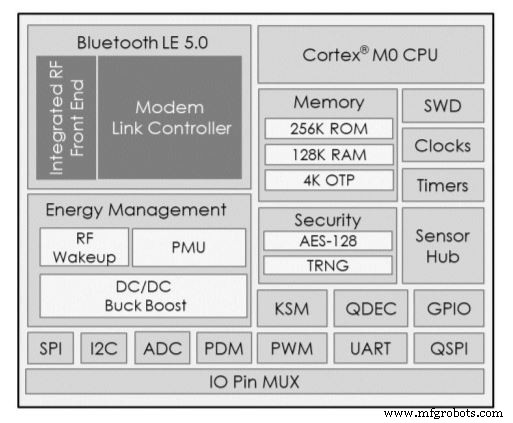
M2 block diagram
Atmosic’s M2 was chosen for its 100‑meter range and extremely low power consumption, enabling the AllSafe wristband to power contact‑tracking systems for extended periods. The M2 integrates the Atmosic Lowest Power Radio and On‑Demand Wake‑Up technologies, extending battery life by up to 18 months and eliminating the need for frequent recharging or replacement.
The M2 Series offers both flash and non‑flash options and comes in 5 × 5 QFN and 6 × 6 DRQFN packages. Its power‑management unit efficiently supplies core and I/O power, and can be bypassed if an external source is available.
Atmosic also offers M3 solutions that further push battery life by harvesting energy from RF, ambient light, and kinetic motion. RF harvesting can capture frequencies from 915 MHz to 2.4 GHz, generating up to 10 mW of power. Separate RF and Bluetooth links allow for independent operation.
“RF is almost magical – it’s wireless power as well as wireless data,” Su notes. “While NFC/RFID is common, thermal harvesting from body heat can also provide useful energy for wearables.”
The M3 Series is also based on Bluetooth 5 and features ultra‑low‑power radio, on‑demand wake‑up, and controlled energy harvesting, enabling battery‑free operation for IoT devices. Packaging options mirror the M2.
Technology for a safer future amid COVID‑19
TraceSafe and Atmosic solutions can be integrated into other wearable and sensor‑based devices, advancing health and safety and helping businesses return to a new normal.
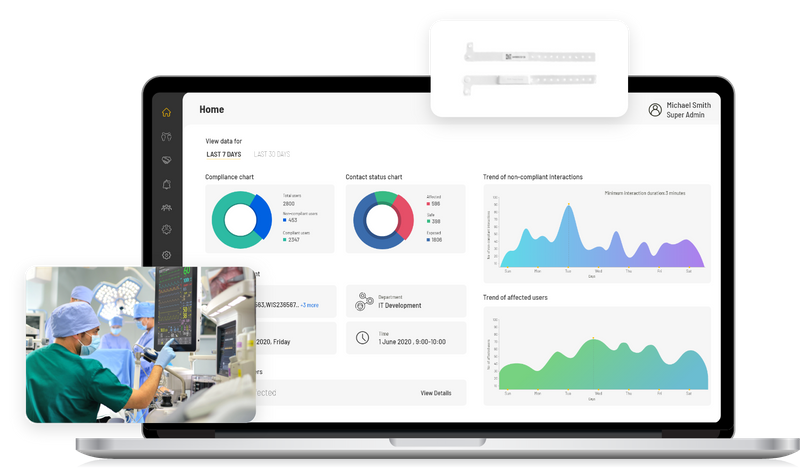
TraceSafe medical‑grade wearable technology provides hospitals, nursing homes and health facilities with a data‑driven solution to contain COVID‑19 safely, effectively and efficiently.
“We can’t stay home forever,” says Su. “Apple and Google’s contact‑tracing framework is solid for privacy and battery life, but it’s limited by the fact that it runs on a phone, which handles many other tasks. Wearable devices can supplement that ecosystem, especially in dense settings like stadiums where frequent, precise tracking is essential.”
The turnkey solution from TraceSafe enables organizations to reopen safely, offering wearables for contact tracing, social distancing and location tracking that can instantly alert users who have been near someone diagnosed with COVID‑19. All of this is built with privacy in mind – no personally identifiable information is stored.

>> This article was originally published on our sister site, EE Times Europe.
Embedded
- Low‑Power Silicon Cochlea Enables Ultra‑Efficient Voice‑Activated Sensing
- Atmosic & E Ink Launch Ultra‑Low‑Power Smart Badge Reference Design with Bluetooth SoC
- Real‑Time Software Tracing for Field‑Deployed IoT Devices
- Mouser Stocks Microchip SAM R34 LoRa SiP: Ultra‑Low‑Power Edge Device Solution
- Würth Elektronik Launches Live Chat for Instant, Expert Support Across Multiple Markets
- Silicon Labs’ EFR32BG22: Bluetooth 5.2 SoC Delivers Ultra‑Low Power, Robust Security, and Sub‑Meter Positioning for High‑Volume IoT
- NXP Unveils Ultra‑Low‑Power Bluetooth MCUs with Integrated NFC for Smart Connectivity
- Low‑Power LED Drivers Empower Next‑Gen Automotive Lighting
- Dialog Unveils Wireless Ranging SDK for Precise BLE Distance Measurement, Enhancing COVID‑19 Contact Tracing
- Kneron Unveils KL720 AI SoC, Boosting Edge Device Power Efficiency