



How Everyday Sensors Shape Modern Life – Expert Insights
From smartphones to refrigerators, sensors are embedded in virtually every modern device, turning everyday objects into intelligent systems. The integration of multi‑sensor technology in mobile phones, for example, showcases how diverse sensors—accelerometers, gyroscopes, barometers, and more—work together to deliver a seamless user experience. As sensor technology evolves, its applications expand, offering increased convenience, safety, and efficiency across all facets of daily life.
What Is a Sensor?
At its core, a sensor is a transducer that detects physical or chemical changes and translates them into measurable signals—optical, electrical, or otherwise. A classic example is a thermocouple, which converts temperature variations into a voltage output, enabling precise temperature monitoring.
Types of Sensors
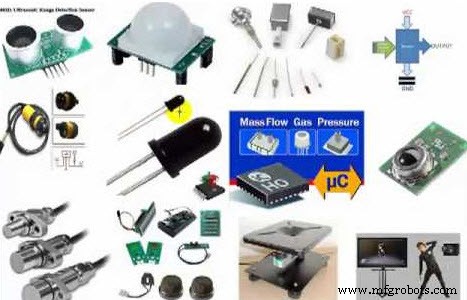
Sensors are grouped by the phenomena they measure: acoustic, automotive, chemical, electric, force, flow, optical, pressure, proximity, sound, vibration, and more. In electrical engineering, common examples include current sensors, Hall‑effect sensors, and metal detectors.
Sensors in Everyday Life
Modern households and workplaces rely on a diverse array of sensors:
- Mobile phones: accelerometers, gyroscopes, digital compasses, barometers, proximity sensors.
- Appliances: temperature and humidity sensors in air conditioners, refrigerators, and hand dryers.
- Automobiles: engine temperature, oxygen, and tire‑pressure sensors.
- Smart buildings: motion (PIR) sensors for automatic doors, street‑light control, and occupancy‑based lighting.
- Home automation: light‑dependent resistors (LDRs) for automatic lighting, and vibration sensors for security systems.
In HVAC and kitchen appliances, temperature and humidity sensors enable automatic temperature regulation, while automotive sensors monitor engine health and safety systems.
Viswanath Prathap, M.Tech (EPE), B.Tech (EEE)
Technical Content Writer

Most contemporary smartphones feature an array of sensors: accelerometers and gyroscopes for motion detection, digital compasses for navigation, barometers for altitude awareness, and proximity sensors that toggle the display during calls. These sensors collaborate to deliver intuitive and context‑aware user experiences.
Sampath Kumar, M.Tech (VLSI), B.Tech (ECE)
Technical Content Writer

The Light‑Dependent Resistor (LDR) is a semiconductor device whose resistance decreases with increasing light intensity. LDRs are widely used in street‑light controls, light‑intensity meters, and burglar‑alarm circuits, making them indispensable for energy‑saving lighting solutions.
Sensor
- Virtual Sensors: How They Work and Key Applications
- Occupancy Sensors Explained: How They Work and Why They’re Essential for Energy Savings
- Door Sensors: How They Work and Their Role in Home Security
- Key Automotive Sensors: How Modern Cars Use Advanced Technology
- 30 NASA Breakthroughs Transforming Everyday Life
- Digital Sensors in Industrial Machinery: Function, Types, and Best Practices
- NASA-Developed Inductive Non-Contact Position Sensor for Precise Motion Control
- New Wearable Hologram Sensor Provides Instant Gas Leak Alerts
- NASA Goddard’s Lab‑On‑Chip Sensor Delivers Real‑Time Flow & Temperature Monitoring
- EGM Sensor Explained: How It Works and Practical Uses