



Molybdenum Fertilizer: The Micronutrient That Powers Nitrogen Fixation and Crop Yield
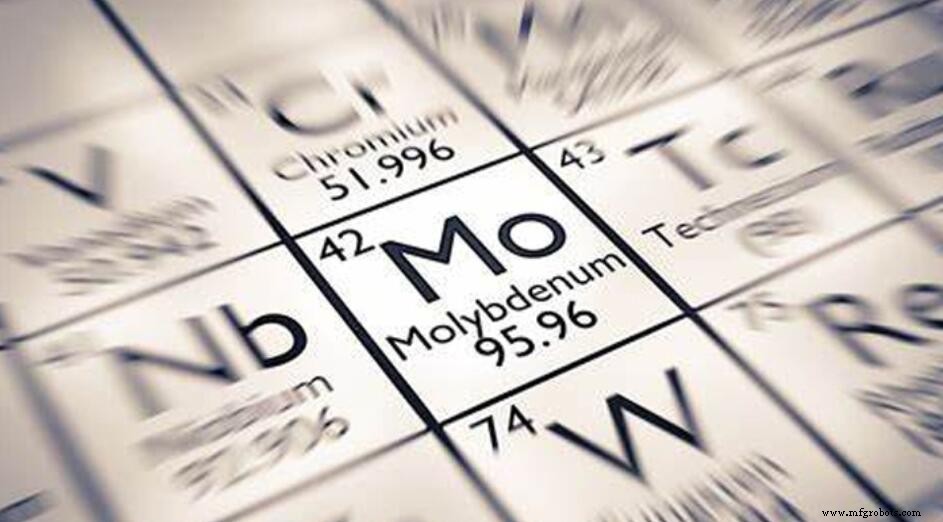
Molybdenum Fertilizer
Molybdenum is a trace element that plays a pivotal role in plant metabolism. Though it is only required in small amounts, it is indispensable for the activity of the nitrogenase enzyme that drives biological nitrogen fixation. In addition, molybdenum facilitates the reduction of nitrate to ammonium, enhances phosphorus uptake, and contributes to the synthesis of vitamin C and carbohydrates.

Molybdenum Fertilizer
Types of Molybdenum Fertilizers
- Ammunium Molybdate (54 % Mo) and Sodium Molybdate (39 % Mo) – highly water‑soluble, suitable for soil amendment, foliar application, and seed treatment.
- Molybdenum Trioxide (66.6 % Mo) – less soluble but still effective, especially in acidic soils.
- Industrial Waste Residues – a cost‑effective source, e.g., molybdate by‑products containing roughly 10 % Mo.
- Molybdenum‑Enriched Superphosphate – blends ammonium molybdate, sodium molybdate, molybdenum trioxide, or waste streams into a ready‑to‑use superphosphate.
- Glass‑Fertilizer Formulations – slowly dissolving, fine‑particle products used as base fertilizers for long‑term release.
Key Crops That Benefit from Molybdenum
Leguminous crops such as soybeans and peanuts rely on molybdenum for effective nitrogen fixation. Adequate Mo supply can increase peanut yield, improve kernel size, boost disease resistance, and extend the harvest window. Other crops that show measurable benefits include broccoli, cotton, sugar beet, tomato, and certain leafy greens.
Application Guidelines
Farmers typically employ molybdenum through soil incorporation, foliar sprays, or seed treatments. Foliar application and seed treatment are the most common due to their rapid uptake and ease of use. For optimal results, follow the specific product’s label recommendations and consider soil Mo status through laboratory testing.
Conclusion
Understanding the role and proper use of molybdenum fertilizer can unlock higher yields and healthier crops. For more in‑depth information on molybdenum and other refractory metals, visit Advanced Refractory Metals (ARM), a leading global supplier of high‑quality molybdenum, tantalum, rhenium, tungsten, titanium, and zirconium alloys.
Metal
- Molybdenum Plates: Key Applications & Benefits
- TZM Alloy vs Pure Molybdenum: Performance, Properties, and Applications
- Tungsten‑Copper vs. Molybdenum‑Copper Alloys: Key Differences & Applications
- Molybdenum Alloys: Composition, History, and Industrial Applications
- Molybdenum and Its Alloys: Key Applications in Material Processing
- Fertilizer: Science, Production, and Sustainable Futures
- Premium Molybdenum Extruded Rods – Superior Strength & Thermal Performance
- High-Performance Molybdenum Ground Rods for Industrial Applications
- Pure Molybdenum (Mo): High-Performance Material for Advanced Industries
- Premium Molybdenum Pickled Sheet – Superior Heat Resistance & Precision Engineering