



Titanium Rods Manufacturing: Techniques, Benefits, and Industry Applications
Manufacturing Titanium Rods: Proven Techniques and Key Advantages
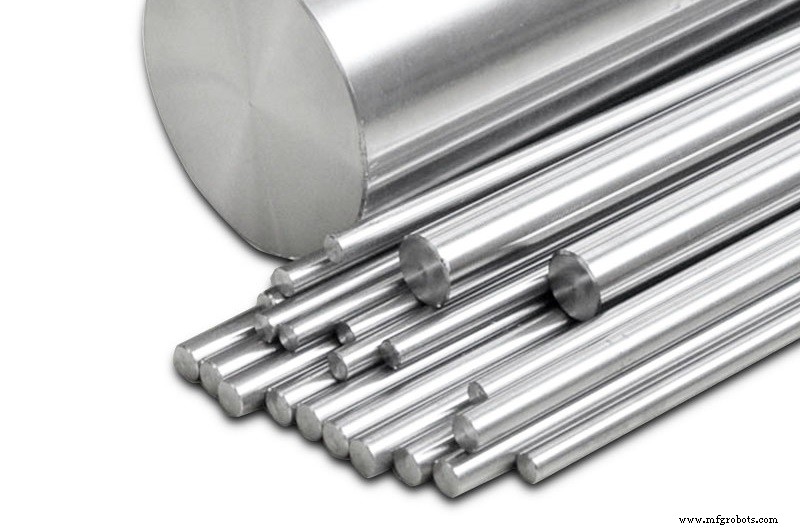
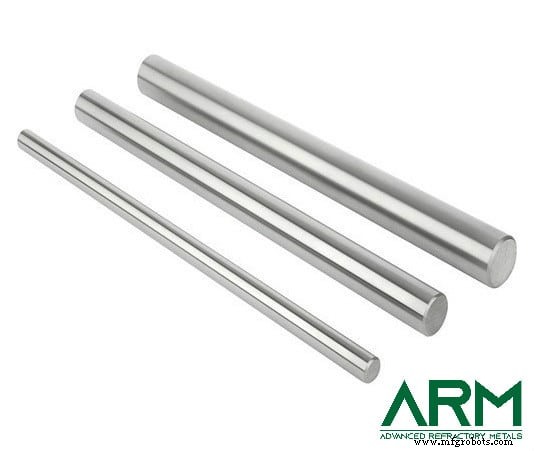
Titanium rods and round bars are engineered from a corrosion‑resistant alloy that boasts one of the highest strength‑to‑weight ratios among metals. Their superior wear resistance, high‑temperature stability, and non‑magnetic properties make them indispensable in aerospace, automotive, and medical devices. Common applications include shaft bodies, solid components, mixing shafts, and medical implants.
Core Characteristics of Titanium Rods
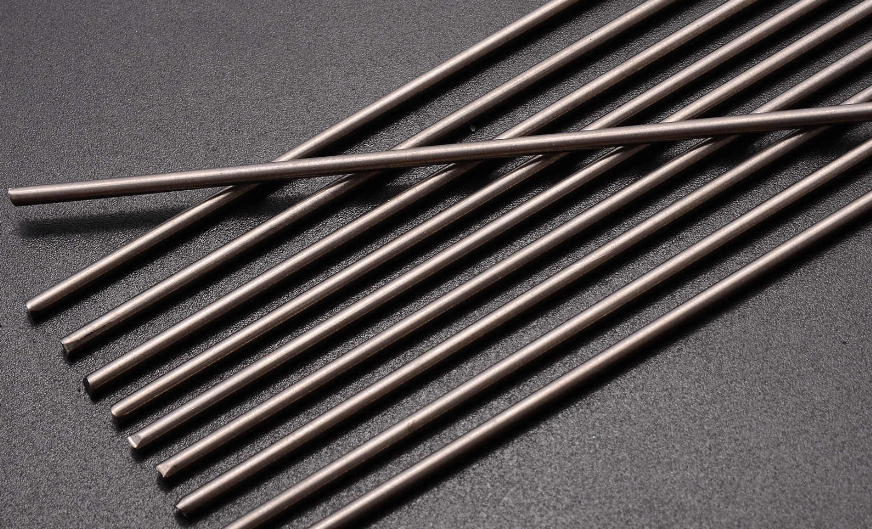
Titanium rods combine high strength, excellent toughness, and a low modulus of elasticity, while remaining biocompatible—an ideal combination for medical hardware such as screws and bone plates. They are typically forged from pure titanium or alloyed variants, starting in forms such as rods, ingots, metal powders, or liquid metal.
The forging ratio—the ratio of the cross‑sectional area before and after deformation—plays a critical role in product quality and cost. Selecting the proper ratio, heating schedule, and deformation speed ensures uniform grain structure, dimensional accuracy, and surface finish, enabling efficient mass production with minimal tooling.
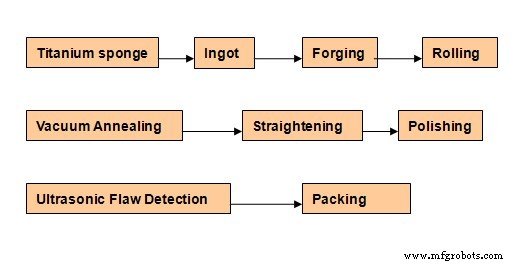
Small‑to‑medium forgings commonly start from round or square bars. When the feed material possesses a uniform grain structure and excellent mechanical properties, the final part can be produced with high precision and minimal post‑processing.
In aerospace, titanium alloys form the backbone of major structural elements—girders, landing gear, hubs, and engine components such as blades and compressor discs—thanks to their lightweight strength and oxidation resistance.
Optimizing Forging Pressure for Titanium Alloys
Traditional forging of titanium alloys requires high pressures because the temperature window for effective deformation is narrow (≈100 °C). To reduce the required tonnage, a single secondary die can be employed, focusing the force on a smaller area and improving metal flow into the die cavity.
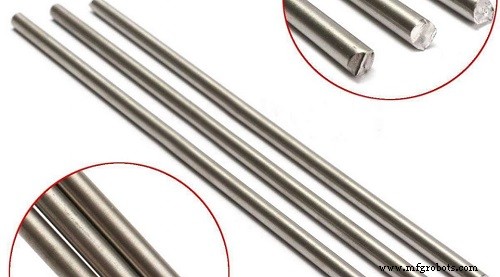
Key process controls include raising the billet’s pre‑heat temperature to limit cooling loss, applying a glass‑based lubricant to prevent surface contamination, and using a positioning boss to guide the metal into high‑stress zones. With these measures, a 25 t‑m hammer can forge a 1,395 mm long, 0.2 m² cross‑sectional area titanium rod for aircraft use.
Electrochemical Polishing for a Superior Finish
Electrochemical polishing smooths titanium parts by immersing them in a dilute acid or alkali solution while rotating in a drum. This technique is ideal for small, intricate parts that resist conventional grinding.
Drum Shape and Size
Drums can be circular, hexagonal, or octagonal. Polygonal shapes increase the number of contact points, ensuring uniform abrasion and shorter processing times.
Operational Parameters
Typical drum lengths range from 600–800 mm for standard parts and 800–1,500 mm for larger components. Rotational speed is usually limited to 45 rpm to balance material removal with surface integrity. The drum should be 70–90 % filled with abrasive material, and the solution volume should be about 95 % of the drum capacity. Acidic solutions are added gradually—water first, then acid—to prevent corrosion.
Best Practices
- Monitor solution concentration and replace periodically.
- Limit processing time to avoid surface damage.
- Immediately brush off burrs, oils, and sludge after polishing.
- Handle thin‑walled parts cautiously to prevent hydrogen embrittlement.
Conclusion
Understanding the manufacturing steps—from forging to electrochemical polishing—ensures titanium rods meet stringent performance and quality standards. For more in‑depth technical resources or to source premium titanium and other refractory metals, visit Advanced Refractory Metals (ARM), headquartered in Lake Forest, California.
ARM supplies a comprehensive portfolio of refractory metals—including tungsten, molybdenum, tantalum, rhenium, titanium, and zirconium—at competitive prices, supporting a global network of aerospace, medical, and industrial customers.
Metal
- Titanium Alloy Forging: Advanced Techniques for Aerospace & Power Generation
- Titanium‑Clad Copper: Composition, Benefits, and Advanced Manufacturing Techniques
- 5 Unexpected Ways Titanium Rods Are Used in Modern Industries
- Titanium: The Aerospace Champion—High Melting Point, Strength, Corrosion Resistance, Lightweight, and Fully Recyclable
- Comparing Popular Manufacturing Methods for Carbon Fiber Parts
- Forging Operations Explained: Types, Methods, Benefits & Key Insights
- Forging Explained: Types, Techniques, Operations, and Benefits
- Smithy Secrets: Mastering Modern Forging Techniques
- Why Rapid Manufacturing Outperforms Traditional Methods: Key Benefits Explained
- Global‑Tek Manufacturing Success Story: How FANUC RoboDrill Boosted Machining Efficiency