



Nano Hydroxyapatite: Bioactive Material for Advanced Biomedical Applications
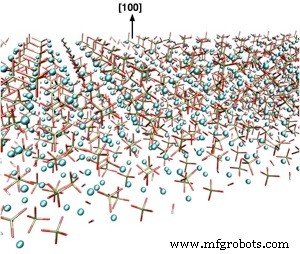
Hydroxyapatite (Ca10(PO4)6(OH)2) closely mimics the mineral component of bone and teeth, making it a gold‑standard in biomedical engineering for its high bioactivity and biocompatibility. Its chemical similarity to natural bone allows synthetic HA to bond strongly with host tissue, reducing implant failure and accelerating healing.
To enhance its already excellent biocompatibility, nano‑HA is often blended with bio‑friendly polymers such as polyethylene, collagen, and chitosan. These additives further improve mechanical performance and integrate seamlessly with human tissue.
Synthetic nano‑HA productionNanocrystalline hydroxyapatite can be derived from biogenic sources—coral, seashells, eggshells—or produced synthetically via precipitation, hydrothermal, hydrolysis, mechanochemical, and sol‑gel techniques. Among these, the sol‑gel route is particularly effective: it achieves molecular‑level mixing of calcium and phosphate precursors, yielding a chemically homogeneous product with superior purity.
In a typical sol‑gel synthesis, calcium nitrate tetrahydrate, phosphoric acid, and ammonia are combined; the resulting gel is calcined to produce a pure, nanosized HA powder. Alternatively, biogenic shells are washed, calcined at 900 °C to convert organic matter to CaO, milled with phosphoric acid, and sintered at 900 °C for two hours, producing a high‑quality HA powder suitable for implants.
ApplicationsNano‑HA serves as a powerful adsorbent for hexavalent uranium, and its strong affinity for actinides and heavy metals makes it ideal for long‑term sequestration and immobilization of hazardous metals.
In tissue engineering, nano‑HA functions as a highly bioactive scaffold and chromatographic packing material, promoting bone ingrowth and osseointegration in orthopedic, dental, and maxillofacial procedures. It is frequently applied as a coating on stainless steel and titanium alloy implants to improve surface properties, or incorporated into powders, porous blocks, and hybrid composites to fill bone defects and support bone augmentation.
Nanomaterials
- Titanium: Key Properties, Applications, and Industrial Uses
- Castanets: History, Craftsmanship, and Performance
- The History, Production, and Future of Glue: From Ancient Adhesives to Modern Innovations
- Thread: Types, History, Production, and Quality Control
- Acetylene: Production, Uses, and Handling – A Comprehensive Overview
- Comprehensive Overview of Asbestos: From Ancient Uses to Modern Health Risks
- The History, Design, and Manufacturing of Dice: From Ancient Tools to Modern Gaming
- Plywood: History, Production, and the Path Ahead
- Tin: From Bronze Age to Modern Industry – Uses, Production, and Future
- Silver: History, Properties, and Modern Applications