



The Comprehensive Guide to Golf Course Maintenance
Whether you’re a golf enthusiast or simply appreciate the tranquility of a well‑mowed expanse, you’re probably aware of the stunning scenery that greets you on a pristine course. Yet few people consider the extensive effort required to keep those green landscapes in top condition.
The golf industry employs roughly 2 million people and generates an estimated $84 billion in revenue. Within that ecosystem, course maintenance is far more than routine landscaping—it’s a sophisticated blend of horticulture, engineering, and operations management.
In this guide we cover everything you need to know: from irrigation and mowing to pest control, chemical safety, pond care, and the modern role of computerized maintenance management systems (CMMS). Let’s dive in.
Best Practices for a High‑Performance Course
Successful operations hinge on mastering several core areas.
Mowing Guidelines
Championship greens demand meticulous attention. Groundskeepers typically hand‑mow tees and greens on weekdays or after heavy rainfall, resorting to mechanised mowers on busy weekends to save time.
Spring and fall cuts usually target a height of 0.14 inches; summer cuts can go as low as 0.10 inches. After each session, a Stimpmeter records green speed—a benchmark of roughly 9 on municipal courses and 11 or higher on PGA‑level events.
Irrigation & Water Management
Optimal turf health requires a fine balance: enough moisture for growth but not so much that soil becomes waterlogged. Modern computerized systems regulate flow, timing, and chemical delivery, conserving water, cutting costs, and delivering consistent playing conditions.
Key components include:
- Water source (lake, pond, or reservoir)
- Pumping station and distribution pumps/valves
- Control lines feeding sprinklers
- Fertigation (integrated fertilizer application)
- Rotary or pop‑up sprinkler heads for 360° coverage
Early‑morning irrigation is preferred to avoid wind‑induced drift, evaporation, and to spare afternoon golfers. Adjustments are made based on soil moisture, cloud cover, and weather forecasts.
Pest & Weed Management
Proactive control is essential. A balanced approach typically includes:
- Pre‑emergent herbicides to block weed seed germination
- Post‑emergent herbicides for active weeds
- Fungicides to suppress fungal spores
- Insecticides for pest outbreaks
For deeper insight, refer to the University of Arkansas’ pest‑control training guide.
Chemical Use & Safety
While organic inputs are ideal, large‑scale courses often rely on synthetic fertilizers, herbicides, and insecticides. Proper training and strict handling protocols—such as dedicated mixing bays, rigorous cleaning, and spill‑response plans—minimise environmental risk.
See the EPA’s pesticide storage guidelines for detailed regulations. All staff handling chemicals must hold relevant certifications.
Pond & Water Feature Maintenance
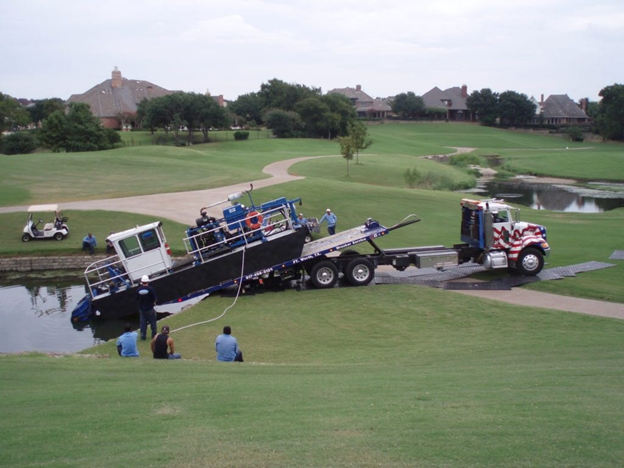
Clear, algae‑free water not only enhances aesthetics but also aids ball recovery. Two primary techniques are employed:
- Aeration – surface aerators create rippling action; subsurface aerators inject oxygen at the bottom.
- Dredging – vacuum‑based equipment removes sludge while filtering solids into disposable bags.
Ball Marks & Divot Repair
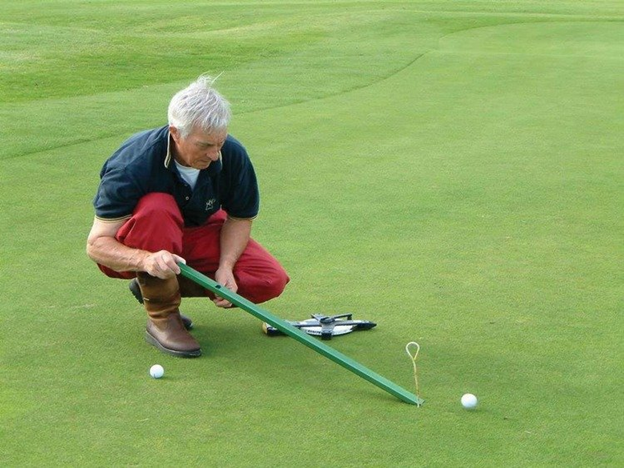
Ball marks and divots can disrupt play and damage turf. Prompt repair—often encouraged as part of good sportsmanship—ensures consistent playing conditions.
Maintaining Each Turf Zone
Tees
These high‑traffic areas benefit from durable grasses like perennial ryegrass or Kentucky bluegrass, spot fertilisation, and occasional relocation to allow turf recovery.

Bunkers
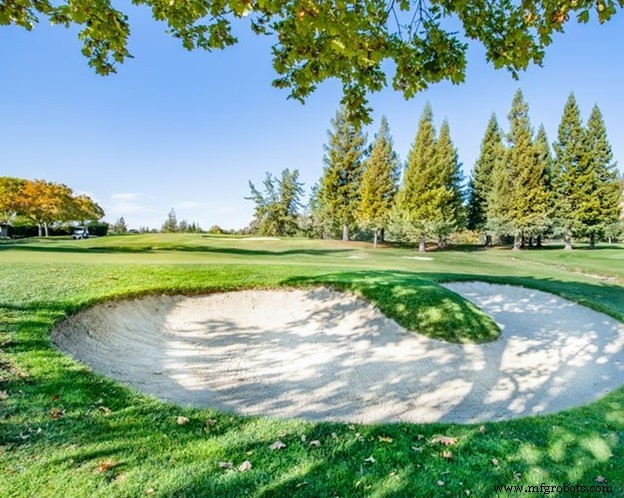
Regular raking restores sand profile, refills lost sand, removes debris, ensures proper drainage, and keeps surrounding turf neat.
Fairways
Fairways cover up to 30% of a course and require dense turf at 0.38–0.5 inches, frequent mowing, and growth regulators to reduce mowing frequency and extend equipment life.
Putting Greens
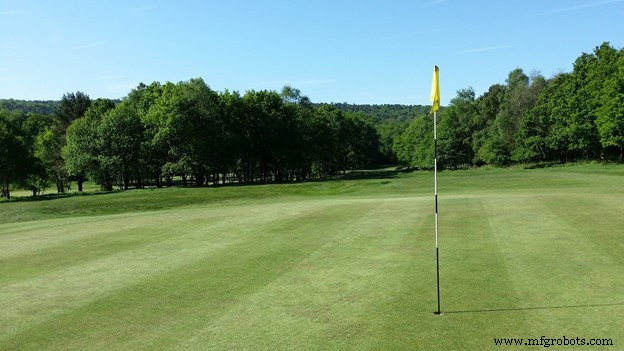
Maintain a 0.10 inches cut and alternate mowing with rolling. Monitor for stress during heat, humidity, pests, or freeze. Use walk‑behind or triplex mowers as appropriate.

Tree Care
Trees compete with turf for resources; deep fertilisation, canopy trimming, pest control, mulching, and strategic pruning preserve both health and safety.
Equipment & Tools
Efficient maintenance hinges on the right equipment and a disciplined upkeep routine.
- Mowing: walk‑behind, ride‑on, triplex, multi‑head, or reel cutters
- Fertilisation & pest control: specialised applicators for granules or liquids
- Safety: fire suppression, first‑aid kits, PPE
- Cultivation: aerators, power rakes, sod cutters, dethatchers
- Transport: golf carts and utility vehicles
- Top‑dressing: sand applicators, blowers, vacuums
- Water systems: pond drenchers, irrigation infrastructure
- Chemical handling: mixers, storage, safety gear
Equipment Maintenance Matters
Unplanned downtime can cripple revenue and reputation. A proactive maintenance plan reduces costs, extends equipment life, and ensures safety.
- Lower long‑term costs versus emergency repairs
- Minimised interruptions for players
- Extended asset lifespan
- Improved energy efficiency
- Enhanced safety and OSHA compliance
Leveraging CMMS for Efficiency
Modern courses face three key concerns—equipment reliability, labour management, and scheduling—according to the 2019 State of the Industry report. A cloud‑based CMMS addresses these challenges by automating work orders, tracking inventory, and providing real‑time insights.
Preventive Maintenance Scheduling
Define a preventive maintenance plan that schedules inspections and routine tasks before failures occur. Mobile notifications keep crews on track.
Work‑Around‑Play Scheduling
Coordinate tasks to avoid disturbing golfers—typically early mornings. A mobile app keeps all stakeholders updated.
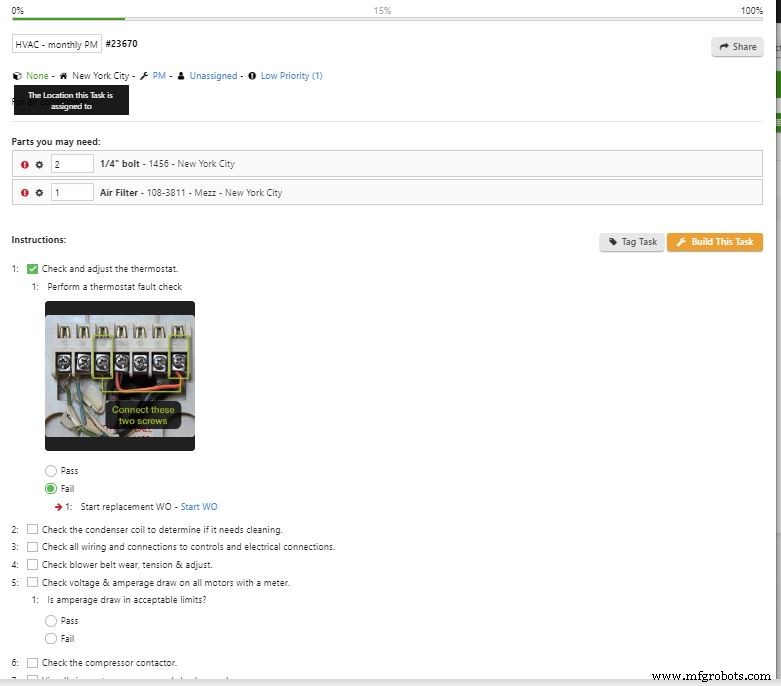
Standardised Checklists
Checklist templates minimise human error, ensure consistency, and accelerate training for new staff.
Tracking MRO Expenses
From labour to spare parts, a CMMS records every cost. Analysis of these data reveals savings opportunities.
Choosing a Cloud Solution
Cloud‑based CMMS platforms offer a unified asset database, mobile access, and streamlined workflows. For instance, Limble CMMS has helped clubs like Atlanta Athletic Club improve operations.
Explore a free 30‑day trial, demo request, or a self‑demo to experience the benefits.
Doing More With Less
Coordinating people, equipment, and play across acres is challenging. Automation and a skilled team are both essential for sustained excellence.
We hope this guide brings you closer to efficient, sustainable golf course management. Contact us for further guidance on CMMS implementation.
Equipment Maintenance and Repair
- Manufacturing KPI Mastery: 20 Proven Metrics to Drive Efficiency & Profit
- Condition‑Based Maintenance: The Definitive Guide to Predictive Asset Care
- UC Irvine Extension Offers 3‑Day RCM Course to Boost Facility Reliability
- Comprehensive Guide to Heavy Equipment Maintenance: Boost Reliability, Safety, and ROI
- Total Preventive Maintenance: A Practical Guide to Boost Efficiency & Reliability
- Your Comprehensive Guide to Expert Property Maintenance
- Routine Maintenance: A Practical Guide to Extending Asset Life
- Industrial Maintenance: Strategies, Careers, and Best Practices for Asset Reliability
- Corrective Maintenance Mastery: Strategies, Benefits, and Practical Examples
- Condition‑Based Maintenance Explained: A Practical Guide for Reliable Asset Management