


Industrial manufacturing
Industrial equipment
If you’re like most people, you’re probably very familiar with hydraulic systems. They’re used in a variety of settings, from construction sites to manufacturing plants to cargo ships. But what if something goes wrong with one of these systems? What is a Hydraulic System? A hydr
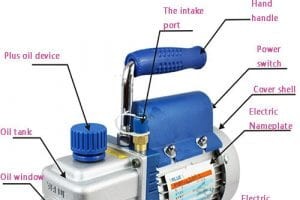
A 1 stage pump is a type of pump that moves water or other fluid substances up a pipe by capillary action. They are simple in design and can be used to move liquids or gases up to high pressures. What is a stage pump? A stage pump is a type of pump that is used to move liquids or gas up or down a

Pumping is a critical process in manufacturing, and often times, it’s necessary to run multiple pumps in parallel in order to achieve the desired flow rate. This article will explain the difference between single-stage and multistage pumps, and help you choose the right one for your needs. Single
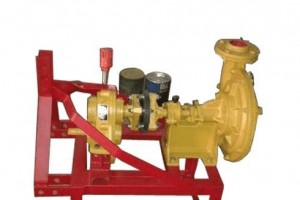
A 3 stage pump is a type of pump that can be used for water or oil extraction. It works by using three pistons to move the fluid up and down a pipe. The first piston is in the uppermost position, the second is in the middle position, and the third is at the bottom. This system was developed in 17
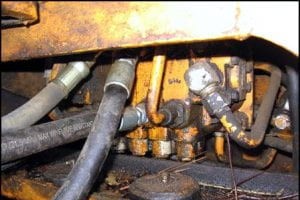
Hydraulic systems provide a means of moving goods or people by using the pressure of a fluid to power a machine. When these systems fail, they can cause significant damage and loss of life. In this article, we’ll take a look at the most common causes of hydraulic system failure, and how you
Hydraulic pumps are a vital part of any hydraulic system, and as such, they’re likely to play a role in your business for many years to come. But just how long do hydraulic pumps typically last? And what can you do to ensure that they keep running smoothly? In this article, we’ll take
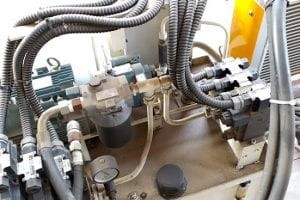
Hydraulic motors are an essential component of the machinery used in a variety of industries. However, like any other machine, they can be susceptible to weak spots that can cause them to fail. In this article, we will discuss the different factors that can impact the strength of a hydraulic moto
It can be frustrating when something breaks in your home or business – whether it’s a leaky faucet, a broken window, or a busted water line. And while you might be able to get someone else to come and fix it, what if that person is unavailable or charges too much? In this article, we&
Hydraulic pumps are an essential part of many industrial processes, and as such they are subject to regular wear and tear. If a hydraulic pump is not replaced on a regular basis, it can become damaged and require repair or replacement. In this article, we will discuss when a hydraulic pump should
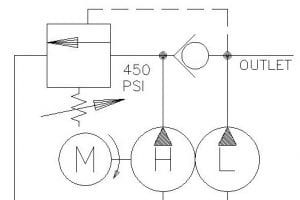
Hydraulic pumps are essential pieces of machinery in any industrial setting. They are used to move fluids – such as water, oil, or gas – between different parts of a plant or machine. This article will explore the basics of two stage hydraulic pumps, and explain how they work. Overvie
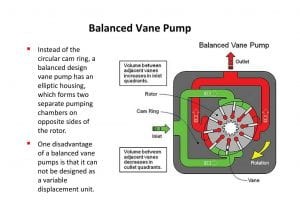
Hydraulic pumps are an essential piece of equipment in many industrial and commercial settings, and choosing the right type of pump can be a difficult task. In this article, we will review some of the different types of hydraulic pumps and discuss which is likely to be most efficient for a given
In this article, we will be looking at whether or not you can run a hydraulic pump with an electric motor. We will cover the basics of how hydraulic pumps work, as well as how an electric motor can be used to power them. After reading this article, you should be able to decide for yourself if run
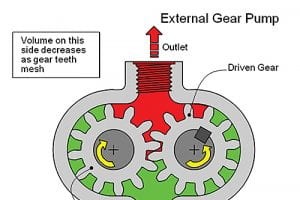
Hydraulic pumps are a vital part of any construction or agricultural operation and need to be chosen carefully in order to get the best performance from them. In this article, we will look at some of the factors you need to consider when selecting a hydraulic pump and help you make an informed de
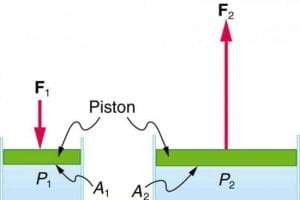
Hydraulic systems are essential in a variety of industries, from transportation to agriculture. In this article, we will learn about the G-force and what it means for hydraulics. G-force is the measure of how much force is applied to an object. It is measured in newtons and is usually represented
Torque is the ability of a machine to rotate an object. In hydraulic motors, torque is generated when a fluid is forced through a rotor and a stator. To increase torque, it’s important to understand how hydraulic motors work and what factors affect torque output. In this article, we’l
hydraulic motors can be used in a variety of applications, from construction to agricultural machinery. Choosing the right motor for your application can be tricky, though, because there are a variety of different types of hydraulic motors available on the market. This article will explore the di
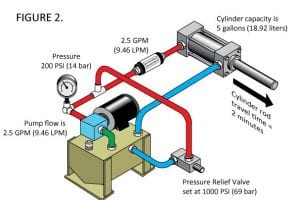
When an electric motor is used to turn a hydraulic pump, the pressure inside the cylinders is increased and reduced as needed to drive the pump. The operating principle of a hydraulic pump is based on two principles: displacement and pressure. Displacement refers to how much fluid is moved by the
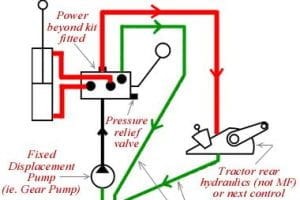
Hydraulics are a type of mechanical engineering that deals with the design, construction, and operation of devices that use hydraulic fluids. Tractor hydraulics is a specific subfield of this field that involves the design and construction of hydraulic systems for farm and agricultural equipment.
Hydraulics are an important part of many modern industrial processes, from moving heavy objects to controlling water flow. But despite the widespread use of hydraulics, there are still some ways to make them stronger. In this article, we’ll explore some of the ways that you can make hydraul
Hydraulic flow rate is the measure of how much fluid is moving through an engine or pumping system in a given time period. It is essential to know if your hydraulic system is functioning properly, as incorrect flow rates can lead to inefficient operation, reduced output, and even breakdowns. In t
Industrial equipment

Wayne Community College Harnesses eMaint for Efficient Facility Management
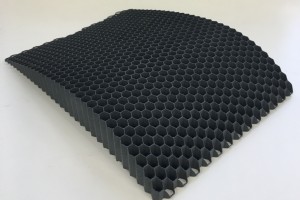
Hexcel Introduces HexPEKK EM: Advanced Electrically Conductive Carbon Fiber Composite for Additive Manufacturing

Preventive vs Predictive Maintenance: Which Strategy Keeps Your Equipment Running Smoothly?
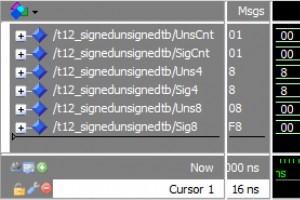
Mastering Signed and Unsigned Types in VHDL: A Practical Guide

