


Industrial manufacturing
Composite material


BT22ZPN is similar to BT22NPN being composed of an extra-fine weave woven cotton fabric combined with a phenolic resin system. BT22ZPN tubes have higher densities (minimum allowable specific gravity is 1.30) resulting in enhanced precise machining characteristics and are expected to give longer life
BT22NPN is composed of an extra-fine weave woven cotton fabric combined with a phenolic resin system to produce a tube product that has superior machining capability with smooth, fiber free surfaces.PropertiesGeneralPropertyValueTesting StandardCommentDensity1.2 g/cm³ASTM D792Moisture absorption1.2
Being a hot oil treated version of BT13NPN, BT13SPN is a tube made from a medium weight canvas fabric combined with a phenolic resin that has good physical properties and machining characteristics.PropertiesGeneralPropertyValueTesting StandardCommentDensity1.3 g/cm³ASTM D792Moisture absorption1.4 %A
Grade BT13NPN is a tube made from a medium weight canvas fabric combined with a phenolic resin that has good physical properties and machining characteristics.PropertiesGeneralPropertyValueTesting StandardCommentDensity1.3 g/cm³ASTM D792Moisture absorption2 %ASTM D570Condition D₁-24/23MechanicalProp
Being a heat treated version of BT13NPN, BT13HPN is a tube made from a medium weight canvas fabric combined with a phenolic resin that has good physical properties and machining characteristics.PropertiesGeneralPropertyValueTesting StandardCommentDensity1.3 g/cm³ASTM D792Moisture absorption1.8 %ASTM
RTB329 is a bleached linen fabric composite combined with melamine resin system.PropertiesGeneralPropertyValueTesting StandardCommentDensity1.32 g/cm³ASTM D792Moisture absorption3.2 %ASTM D570Condition D₁-24/23MechanicalPropertyValueTesting StandardCommentCompressive modulus2.8 GPaASTM D695Condition
Rolled and Molded Rods made from a fine weave (linen) cotton fabric combined with a phenolic resin system.PropertiesGeneralPropertyValueTesting StandardCommentDensity1.35 g/cm³ASTM D349Moisture absorption0.85 %ASTM D349Condition D₁-24/23MechanicalPropertyValueTesting StandardCommentCompressive stren
Rolled and Molded Rods made from a fine weave (linen) cotton fabric combined with a phenolic resin system.PropertiesGeneralPropertyValueTesting StandardCommentDensity1.35 g/cm³ASTM D349Moisture absorption0.85 %ASTM D349Condition D₁-24/23MechanicalPropertyValueTesting StandardCommentCompressive stren
Rolled and Molded Rods made from a plain weave, medium weight cotton fabric combined with a phenolic resin system.PropertiesGeneralPropertyValueTesting StandardCommentDensity1.34 g/cm³ASTM D349Moisture absorption0.9 %ASTM D349Condition D₁-24/23MechanicalPropertyValueTesting StandardCommentCompressiv
Medium weight glass fabric with epoxy resin system. RT521M combines excellent electrical characteristics with superior physical properties at cryogenic temperatures (-270 °C to 135 °C operating temperature range). Electrical properties maintained in high humidity conditions. RT521M is not flame resi
Rolled and Molded Rods made from a plain weave, medium weight glass fabric combined with a melamine resin system. It has very good thermal and arc resistance properties.PropertiesGeneralPropertyValueTesting StandardCommentDensity1.95 g/cm³ASTM D349Moisture absorption0.7 %ASTM D349Condition D₁-24/23M
Rolled and Molded Rods made from a woven fiber-glass cloth combined with a phenolic resin system. RM504 is used for mechanical applications and electrical applications, at low voltages. It has very good thermal resistance and ablative properties.PropertiesGeneralPropertyValueTesting StandardCommentD
Rolled and Molded Rods made from a glass fabric with a flame retardant resin system. RM130 combines excellent electrical characteristics with superior physical properties at normal operating temperatures. Electrical properties maintained in high humidity conditions. RM130 meets NEMA FR-4, but with e
NP193PM is composed of a 17 oz. aramid and soft glass fibers are combined to make a fabric that is stronger than pure aramid and less abrasive than glass fabrics. This material is impregnated with a high temperature phenolic resin matrix which includes a non-conducting solid lubricant. This composit
17 oz. aramid and soft glass fibers are combined to make a fabric that is stronger than pure aramid and less abrasive than glass fabrics. This material is impregnated with a high temperature phenolic resin matrix, which produces a composite with excellent mechanical strength at elevated temperatures
60 HRC and abrasive aluminium alloys.PropertiesGeneralPropertyTemperatureValueDensity23.0 °C14.55 g/cm³Grain structureUltrafine (0,2µm - 0,5µm)MechanicalPropertyTemperatureValueCommentElastic modulus23.0 °C596 GPaHardness, Rockwell A23.0 °C93.7 [-]Hardness, Vickers, 1023.0 °C1970 [-]EN ISO 6507-1Har
90%) and a NiFe binder phase.PropertiesGeneralPropertyTemperatureValueDensity23.0 °C17.15 - 17.85 g/cm³DimensionPropertyValueDiameter6 mmLength330 mmDimensionsAvailable dimensions (diameter x length, mm x mm): 6 x 330; 8 x 330; 10 x 330; 12 x 330; 14 x 320; 16 x 320; 18 x 320; 20 x 500; 22 x 500; 24
A high quality aerospace grade aluminum alloy (6061B) reinforced with 20 vol.% silicon carbide particles which produces a metal matrix composite (MMC). 620XF is manufactured via a powder metallurgy route using a mechanical alloying process to ensure a homogeneous reinforcement distribution, providin
A paper-base laminate with low phenolic resin content for hard, flat surfaces.PropertiesGeneralPropertyValueTesting StandardCommentDensity1.3 g/cm³ASTM D792Moisture absorption8 %ASTM D570Condition D₁-24/23MechanicalPropertyValueTesting StandardCommentCompressive strength241.3 MPaASTM D695Condition A
NP504WR is a phenolic resin combined with a heavy weight glass fabric, 24 or 30 oz depending on the application and machining requirements.PropertiesGeneralPropertyValueCommentBonding strength181.44 KgCondition ADensity2.18 g/cm³Moisture absorption1.4 %Condition D₁-24/23MechanicalPropertyValueCommen
Composite material
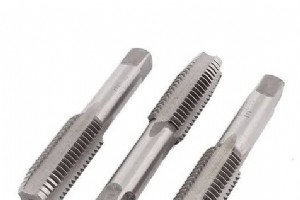
Choosing the Right Thread Taps: Materials & Coatings Explained
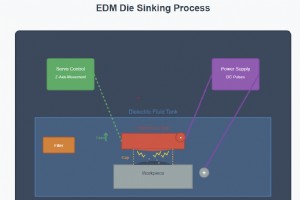
Precision EDM Die Sinking for Durable, Corrosion-Resistant Marine Components
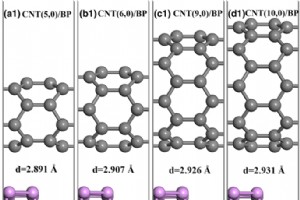
Photocatalytic Potential of Phosphorene–Carbon Nanotube Heterostructures: A Density Functional Theory Study
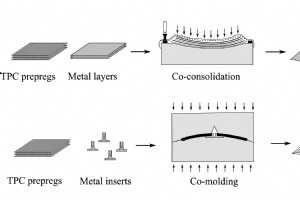
TPRC Study Shows Grit‑Blasting Improves Fracture Toughness of Titanium–Thermoplastic Composite Joints
