


Industrial manufacturing
Metal

PropertiesGeneralPropertyValueCommentDensity2.7 g/cm³Typical for Wrought 1000 Series AluminiumMechanicalPropertyValueConditionRelated StandardsShapeCommentElastic modulus68.0 - 70.0 GPaTypical for Wrought 1000 Series AluminiumPlane-Strain Fracture Toughnes22.0 - 35.0 MPa·√mTypical for Wrought 1000 S
PropertiesGeneralPropertyValueCommentDensity2.7 g/cm³Typical for Wrought 1000 Series AluminiumMechanicalPropertyValueConditionRelated StandardsShapeCommentElastic modulus68.0 - 70.0 GPaTypical for Wrought 1000 Series AluminiumPlane-Strain Fracture Toughnes22.0 - 35.0 MPa·√mTypical for Wrought 1000 S
PropertiesGeneralPropertyValueCommentDensity2.7 g/cm³Typical for Wrought 1000 Series AluminiumMechanicalPropertyValueConditionRelated StandardsShapeCommentElastic modulus68.0 - 70.0 GPaTypical for Wrought 1000 Series AluminiumPlane-Strain Fracture Toughnes22.0 - 35.0 MPa·√mTypical for Wrought 1000 S
PropertiesGeneralPropertyValueCommentDensity2.7 g/cm³Typical for Wrought 1000 Series AluminiumMechanicalPropertyValueConditionRelated StandardsShapeCommentElastic modulus68.0 - 70.0 GPaTypical for Wrought 1000 Series AluminiumPlane-Strain Fracture Toughnes22.0 - 35.0 MPa·√mTypical for Wrought 1000 S
PropertiesGeneralPropertyTemperatureValueDensity20.0 °C7.83 - 7.85 g/cm³MechanicalPropertyTemperatureValueElastic modulus-100.0 °C217 GPa20.0 °C210 - 212 GPa100.0 °C205 - 207 GPa200.0 °C195 - 199 GPa300.0 °C185 - 192 GPa400.0 °C184 GPa500.0 °C175 GPa600.0 °C164 GPaElongation20.0 °C10 - 13 %Elongatio
PropertiesGeneralPropertyTemperatureValueDensity20.0 °C7.82 - 7.85 g/cm³MechanicalPropertyTemperatureValueCommentElastic modulus-100.0 °C217 GPa20.0 °C210 - 212 GPa100.0 °C205 - 207 GPa200.0 °C195 - 199 GPa300.0 °C185 - 192 GPa400.0 °C175 - 184 GPa500.0 °C175 GPa600.0 °C164 GPaElongation20.0 °C13 -
The steel X6Cr17 is well suited for cold-forming. The strain hardening inclination is significantly lower than that of stainless austenitic steels and is about equal to that of carbon steel. The ferritic, 17%-Cr steel is used to treat corrosion occurances through water, steam, weak acids, as well as
The cold-upsettable steel 34 CrMo 4 can be cold-formed with a medium to high rate of forming according to the usual forming methods on single-stage and multi-stage presses. It is used for hexagon screws and hexagon socket head cap screw of strength class 8.8 in the thick dimension range, of strength
The cold-upsettable steel 25 CrMo 4 can be cold-formed with a medium to high rate of forming according to the usual forming methods on single-stage and multi-stage presses. It is used for screws and pressed parts of strength class in the medium dimension range.PropertiesGeneralPropertyTemperatureVal
Steel Cm 60 is suitable for high strained parts in vehicle manufacturing, engine and machine engineering that require an enhanced workability while maintaining strength qualities (e.g. gear wheels, pinion, shafts). Lowest application temp. -25 °C.PropertiesGeneralPropertyTemperatureValueDensity20.0
Steel Cm 60 is suitable for high strained parts in vehicle manufacturing, engine and machine engineering that require an enhanced workability while maintaining strength qualities (e.g. gear wheels, pinion, shafts). Lowest application temp. -25 °C.PropertiesGeneralPropertyTemperatureValueDensity20.0
Steel 50 CrV 4 is suitable for high loaded parts that have to meet increased tempering and high wear resistance requirements at best core qualities in aircraft and vehicle construction and engine and machine engineering (e.g. transmission and joint parts, axles). Furthermore application to spring an
Steel 50 CrMo 4 is suitable for high loaded parts (also heavy forged parts) of very favorable core qualities in vehicle manufacturing, engine and machine engineering (e.g. transmission shafts, gear wheels, pinions). Lowest application temp. -40 °C.PropertiesGeneralPropertyTemperatureValueDensity20.0
Steel 46 CrS 2 is suitable for smaller parts in vehicle manufacturing, engine and machine engineering with higher strength requirements and enhanced workability (e.g. wheel gears, shafts, axles). Lowest application temp. -25 °C.PropertiesGeneralPropertyTemperatureValueDensity20.0 °C7.8 g/cm³Mechanic
Steel 46 Cr 2 is suitable for smaller parts in vehicle manufacturing, engine and machine engineering with higher strength requirements and lower ductility load (e.g. transmission gear wheels, steering knuckles, shafts). Lowest application temp. -25 °C.PropertiesGeneralPropertyTemperatureValueDensity
Steel 42 CrMo 4 is suitable for high loaded parts (also heavy forged parts) of high wear resistance and very favorable core qualities (e.g. crankshafts, pinions, balancer shafts) in vehicle manufacturing, engine and machine engineering. The steel has a high specific static and dynamic load resistanc
Steel 41 CrS 4 is suitable for mean loaded parts of mean heat-treatment sections and enhanced workability in vehicle manufacturing, engine and machine engineering (e.g. gear wheels, transmission shafts, axles). Lowest application temp. -25 °C.PropertiesGeneralPropertyTemperatureValueDensity20.0 °C7.
Steel 41 Cr 4 is suitable for mean loaded parts of mean heat-treatment sections in vehicle manufacturing, engine and machine engineering (e.g. gear wheels, transmission shafts, axles). Lowest application temp. -25 °C.PropertiesGeneralPropertyTemperatureValueDensity20.0 °C7.83 g/cm³MechanicalProperty
Steel 38 CrS 2 is suitable for a little higher strained parts of lower dimension in vehicle manufacturing, engine and machine engineering and enhanced workability while maintaining strength qualities (e.g. transmission parts, gear wheels, shafts). Lowest application temp. -25 °C.PropertiesGeneralPro
Steel 38 Cr 2 is suitable for a little higher strained parts of lower dimension in vehicle manufacturing, engine and machine engineering (e.g. transmission parts, axles, shafts). Lowest application temp. -25 °C.PropertiesGeneralPropertyTemperatureValueDensity20.0 °C7.8 g/cm³MechanicalPropertyTempera
Metal

CNC Routers: Applications, Benefits, and Industry Uses
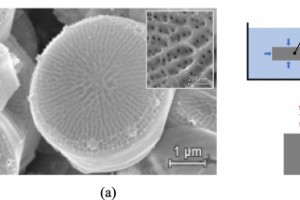
Nanoporous Silica Tablets for Quantifying Biomolecules and Nanoparticles via Water Self‑Diffusivity in Bio‑Inspired Pores

IoT Sensors: Functionality, Types, and Real‑World Applications
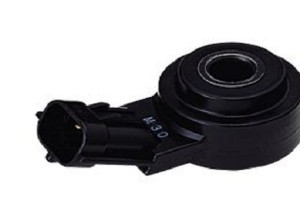
How Knock Sensors Protect Engines: Function, Symptoms, and Maintenance

