Industrial manufacturing
Manufacturing process

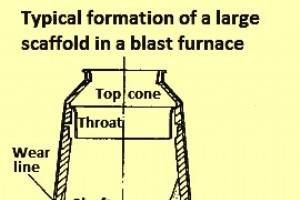
Blast Furnace Irregularities during OperationSmooth and uniform movement of burden materials downward and movement of furnace gases in the upward direction is very important for a stable and efficient operation of the blast furnace (BF). For ensuring this, a lot of work has been carried out in the r
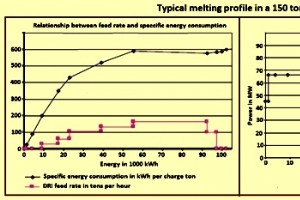
Use of Direct Reduced Iron in Electric Arc FurnaceSteelmaking by the electric arc furnace (EAF) has very good flexibility with respect to the selection of charge materials. The traditional charge material for the EAF process has been 100 percent cold scrap but as the issues regarding scrap such as i
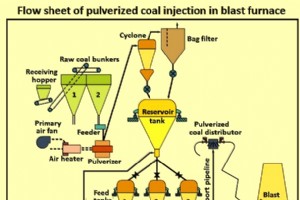
Pulverized Coal Injection in a Blast FurnacePulverized coal injection (PCI) is a process which involves injecting large volumes of fine coal particles into the raceway of the blast furnace (BF). Pulverized coal is an important auxiliary fuel used in the BF ironmaking. PCI provides auxiliary fuel for
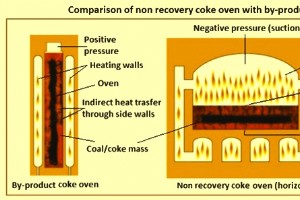
Non recovery Coke Oven BatteryMetallurgical coke is a hard carbon material produced in the process of the ‘destructive distillation’ of various blends of bituminous coal. It is produced by carbonization of coal at high temperatures (around 1100 deg C) in an oxygen deficient atmosphere in a coke oven
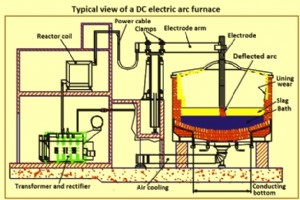
DC Electric Arc FurnaceDC (direct current) electric arc furnace (EAF) is a furnace for primary steelmaking which represents a different concept in the designs of arc furnaces. DC-EAF has only a single electrode which acts as a cathode and the current flows down from this graphite electrode to an an
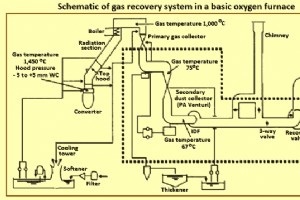
Basic Oxygen Furnace Gas Recovery and Cleaning SystemDuring the process of steelmaking in the basic oxygen furnace (BOF), oxygen (O2) is blown in the charge mix and due to the chemical reactions taking place in the converter vessel, a large amount of gas at high temperature and rich in carbon mono o
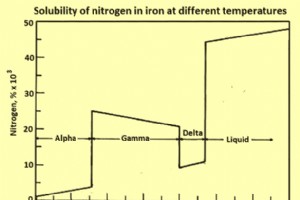
Nitrogen in SteelsNitrogen exists in steel in two forms namely (i) in the atomic form as interstitial nitrogen, or as unstable and easily dissolved nitrides, e.g. Fe4N etc., and (ii) in the form of stable nitrides. In atomic form, it is known as the active or free nitrogen in steel. In micro-alloyed
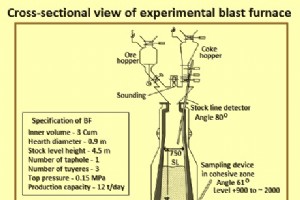
High Alumina Slag and Blast Furnace OperationBlast furnace (BF) process of ironmaking is a process where liquid iron (hot metal) and liquid slag are produced by the reduction of iron bearing materials (sinter and / or pellet and lump ore) with coke and by fluxing of the gangue material of the feed m
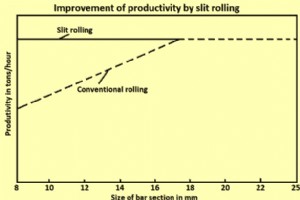
Slit Rolling for Bar ProductionIn merchant bar mills with conventional rolling, rounds and rebars (both of them normally known as bars) are produced from billets which are rolled in a sequence of passes through a multi stand rolling mill. Each of the stands is having a set of two rolls, grooved on t
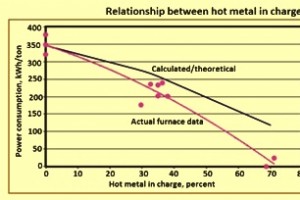
Use of Hot Metal for Steelmaking in Electrical Arc FurnaceSteelmaking by the electric arc furnace (EAF) has very good flexibility with respect to the selection of charge materials. The traditional charge material for the EAF process has been 100 % cold scrap but as the issues regarding scrap such a

Protection of Blast Furnace Hearth Lining by the Addition of TiO2 The campaign life extension of a blast furnace (BF) is of a great concern. The necessity of prolonging the campaign of the BF is well known. The campaign life improvement is to be achieved while maintaining high productivity for lower
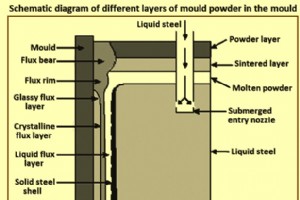
Continuous Casting Mould PowdersContinuous casting mould powders are used primarily to facilitate the passage of liquid steel through the mould of the continuous casting machine. It is also known by several other names such as mould powder, casting powder, mould flux, mould flux slag, or mould flux
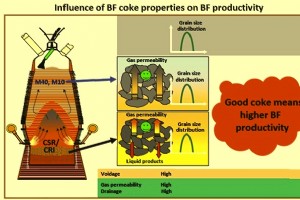
Blast Furnace Productivity and the Influencing ParametersBlast furnace (BF) ironmaking is the most viable means of producing hot metal (HM) mainly because of its well established and proven performance, flexible raw material usage, and high thermal energy conservation capability. It is the most depe
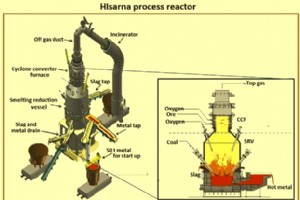
HIsarna Process for IronmakingHIsarna process is a smelting reduction process for producing liquid iron directly from iron ore fines and coal. It represents a new, potentially more efficient way of making iron and is being developed for substantial reduction of carbon emissions from the ironmaking p
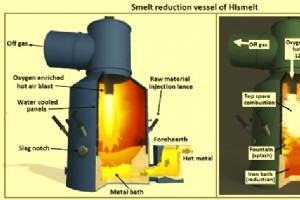
HIsmelt Process of IronmakingHIsmelt process is an air based direct smelting technology which is simple yet innovative. The process is for the production of liquid iron (hot metal) using iron ore fines or any other appropriate ferrous feed material. The smelting is carried out in a molten iron bath
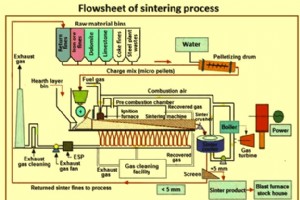
Factors influencing Sinter and Sintering ProcessThe sintering process is used to agglomerate a mix of iron ore fines, return fines, fluxes, and coke, with a particle size of less than 10 mm, so that the resulting sinter, with a screened size of 5 mm to 30 mm, can withstand pressure and temperature
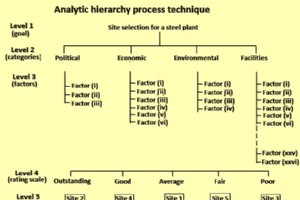
Site selection Process for a Green field Steel plantLocating of a green field steel plant at a suitable site is an essential activity for the investing organization and it has got several implications. Site selection activity determines where a green field steel plant is to be located so that it can
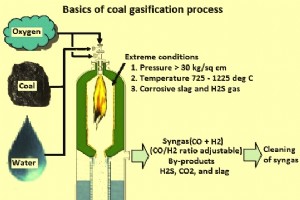
Gasification of coalGasification of coal is a conversion technology which converts any carbon (C) containing material, such as coal, into synthesis gas (syngas). It is a high temperature process with temperature reaching typically 1,225 deg C. The temperature is optimized to produce a fuel gas with
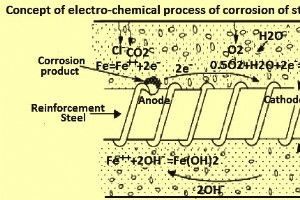
Corrosion of steel reinforcement bars in concreteReinforced concrete (RC) is a composite material comprising steel reinforcement bars (rebars) embedded in a concrete mass. Rebars carries the bulk of the tensile load and imparts a degree of cracking resistance to the concrete which itself is compres
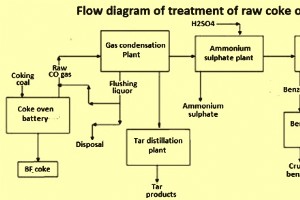
Coke Oven Gas Generation and UsageCoke is an essential input for the ironmaking process. For making coke, coal is heated in the absence of air to drive volatile matter (VM) from it. Conversion of coal to coke is called coal carbonization and the process is carried out in coke ovens. A coke oven batt
Manufacturing process