Industrial manufacturing
Manufacturing process

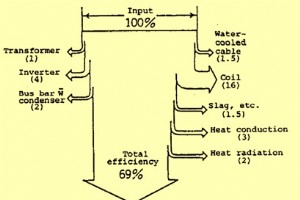
Induction Furnace and Important Operational Aspects The development of the induction furnace for steel making has been a boon to the small steel producers. These furnaces are easy to install, operate and maintain. These furnaces are smaller in heat size with a low cost investment and preferred by
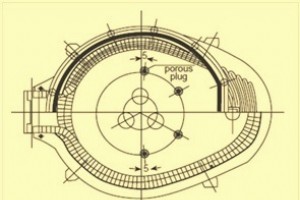
Understanding Electric Arc Furnace Steel Making OperationsElectric arc furnace (EAF) steel making technology is more than hundred years old. Though De Laval had patented an electric furnace for the melting and refining of iron in 1892 and Heroult had demonstrated electric arc melting of ferro alloys
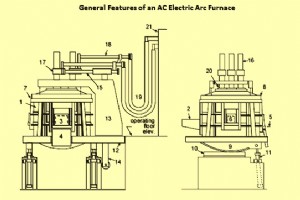
Design Features of an AC Electric Arc Furnace Electric arc furnace (EAF) used for steel making apply high current and low voltage electric energy to the charge materials , and thereby melt and refine them. EAF is a batch furnace which consists of a refractory lined vessel covered with a retractable
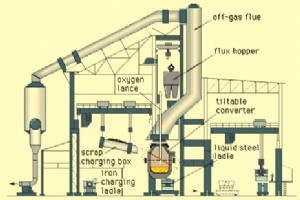
Understanding Steel Making Operations in Basic Oxygen Furnace Steel making operation in the basic oxygen furnace (BOF) is also sometimes called basic oxygen steel making (BOS). This is the most powerful and effective steel making technology in the world. Around 71 % of the crude steel is made by t
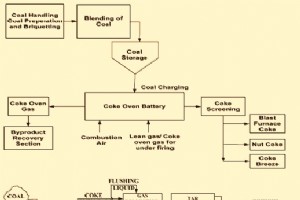
Understanding Coke Making in Byproduct Coke Oven Battery Coke is one of the basic materials used in blast furnaces for the conversion of iron ore into hot metal (liquid iron), most of which is subsequently processed into steel. The major portion of coke produced is used for the production of hot me
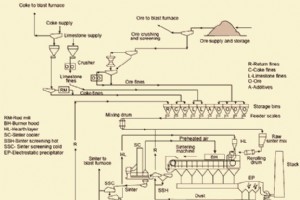
Understanding Sinter and Sinter Plant Operations Sintering is a process of agglomeration of fine mineral particles into a porous and lumpy mass by incipient fusion caused by heat produced by combustion of solid fuel within the mass itself. The sintering process is a pre-treatment step
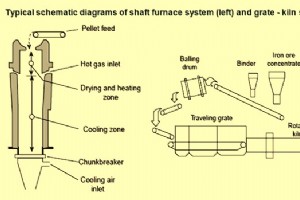
Understanding Pellets and Pellet Plant OperationsPelletizing is an agglomeration process which converts very fine grained iron ore into balls of a certain diameter range (normally 8mm to 20 mm, also known as pellets. These pellets are suitable for blast furnace and direct reduction processes. Pellet
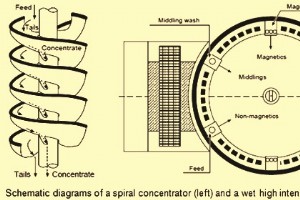
Processes for Beneficiation of Iron Ores Iron is an abundant element in the earth’s crust averaging from 2 % to 3 % in sedimentary rocks to 8.5 % in basalt and gabbro. Because iron is present in many areas, it is of relatively low value and thus a deposit must have a high percentage of metal t
Understanding Iron Ores and Mining of Iron OreIron (Fe) is an abundant and a widely distributed element in the in the crust of the earth, constituting on an average ranging from 2 % to 3 % in sedimentary rocks to 8.5 % in basalt and gabbro. Its supply is essentially limitless in almost all regions
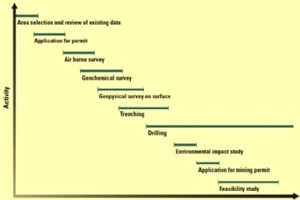
Geology, Prospecting and Exploration for Iron Ore DepositsIron has been known since antiquity. Iron is ubiquitous in the lithosphere as either a major constituent or in trace amounts. In abundance it ranks fourth behind oxygen, silicon and aluminum.Iron ores have a wide range of formation in geologi

Generation of Hot Air Blast and Hot Blast Stoves A hot blast stove is a facility to supply continuously the hot air blast to a blast furnace. Before the blast air is delivered to the blast furnace tuyeres, it is preheated by passing it through regenerative hot blast stoves that are heated
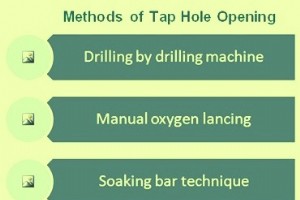
Blast Furnace Tap Hole and Tapping of the Furnace The operation of a blast furnace is a continuous process. The blast furnace continues to produce liquid iron (hot metal) and slag as long as it is in operation. The hot metal and slag accumulate in the hearth of the furnace, but since there is a limi
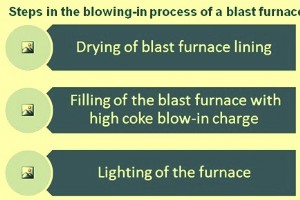
The Process of Blowing-in of a Blast Furnace The process of starting a blast furnace after its construction or after its relining is called blowing-in. The blowing-in process is carried out in several steps (Fig 1) which consist of (i) drying out the lining, (ii) filling of the blast furnace with a
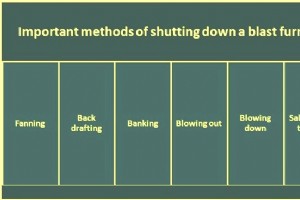
Methods of Shutting Down a Blast FurnaceA blast furnace, after it is blown in and the production of hot metal starts, runs for a large number of years before it is put down for relining. This continuous run of the blast furnace is known as campaign life. In modern blast furnaces a campaign life of
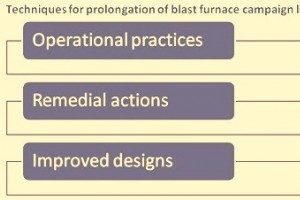
Operation practices and Campaign Life of a Blast FurnaceThe cost of rebuilding or relining a blast furnace (BF) is very high. Hence techniques to extend BF campaign lives are important and need to be pursued very actively.Large BFs usually have a slightly higher campaign output per unit volume. This
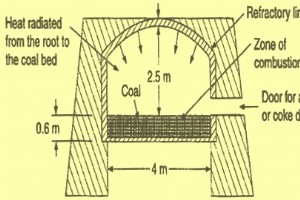
Carbonization of Coal for Metallurgical Coke ProductionCarbonization of coal is also known as coking of coal. The process consists of thermal decomposition of coals either in the absence of air or in controlled atmosphere to produce a carbonaceous residue known as coke. Carbonization of coal can be
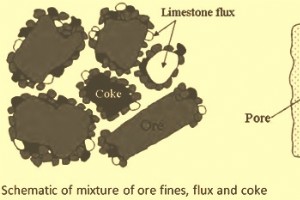
Sinter Quality and Process of Sintering Iron OresSinter is normally the major component of the blast furnace (BF) charge burden. Sinter consists of many mineral phases produced during process of sintering of iron ores. The quality and properties of sinter are dependent on the mineral structure of si
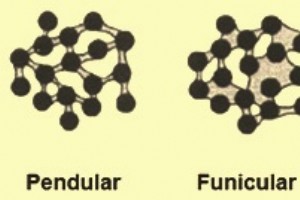
Iron Ore Pellets and Pelletization ProcessPelletizing of iron ore was started in the 1950s to facilitate the utilization of finely ground iron ore concentrates in steel production. For the pelletizing of iron ore there are two main types of processes namely, the straight travelling grate (STG) proce
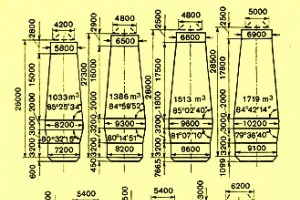
Blast Furnace and its DesignThe design of a blast furnace (BF) plays a fundamental role in its reliable operation, metallurgical performance, sustained high productivity and long campaign life.The design of a modern BF is generally based on the concept of a free standing unit with a surrounding buil
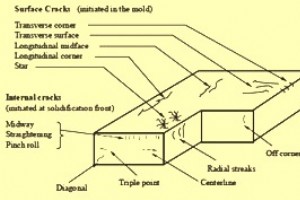
Defects in Continuous Cast SteelsContinuous casting (CC) is the process which converts liquid steel into a solid product mainly in the form of slab (either thick or thin), bloom or billets. It is one of progressive steel making technologies which produces a cast product of a desired cross section in
Manufacturing process