Industrial manufacturing
Manufacturing process

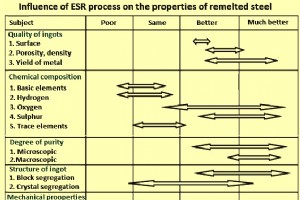
Electroslag Remelting ProcessElectroslag remelting (ESR) is the abbreviated name given to electroslag consumable electrode remelting and secondary refining process. It is a secondary steelmaking process which is used for remelting and refining of steels and special alloys normally used for critical
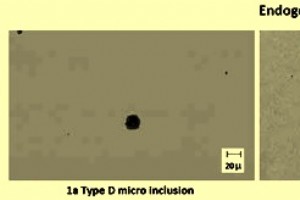
Steel Cleanliness and Clean Steel TechnologiesSteel cleanliness is an important factor which decides the quality of the steel. It can have a remarkable influence on steel properties, such as tensile strength, formability, toughness, weldability, cracking-resistance, corrosion resistance, and fatigue

Effect of Alkalis on Ironmaking Process in a Blast FurnaceOne of the main objectives during the operation of a blast furnace (BF) is to maximize the production of hot metal (HM) of the desired chemical composition at the minimum costs. This needs a high quality of a raw material base and a regular,
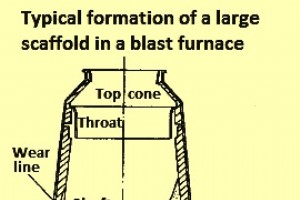
Formation of Scaffold in Blast Furnace ShaftThe term scaffold is used when there is accretion or scab formation on the blast furnace (BF) wall which causes a decrease in the cross sectional area of the shaft of the BF. Scaffold can occur relatively at the higher level of the BF shaft or relatively l

Ironmaking by Blast Furnace and Carbon di Oxide EmissionsIt is widely recognised that carbon di-oxide (CO2) in the atmosphere is the main component influencing global warming through the green-house effect. Since 1896 the concentration of CO2 in the atmosphere has increased by 25 %. The iron and ste
Recovery of Ammonia during Production of Coke from Coking Coal Ammonia (NH3) is a by-product produced during the production of coke from coking coal in the by-product coke ovens. It is a constituent of the coke oven gas (COG) leaving the coke ovens, with a typical concentration in raw COG of 6 grams
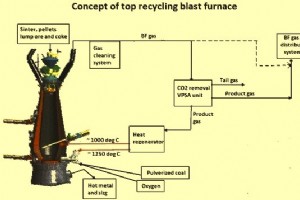
Top Gas Recycling Blast Furnace ProcessIn the area of production of hot metal (HM) by blast furnace (BF), the most promising technology to significantly reduce the CO2 (carbon di-oxide) emission is recycling of CO (carbon mono oxide) and H2 (hydrogen) from the gas leaving the BF top. CO and H2 conte
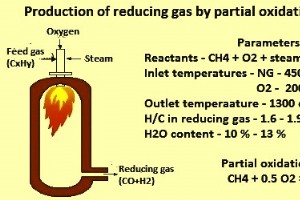
ULCORED ProcessULCORED is a direct reduction (DR) process, which produces DRI (direct reduced iron) in a shaft furnace, either from natural gas (NG) or from reducing gas obtained by gasification of coal. Off-gas from the shaft is recycled into the process after carbon di-oxide (CO2) has been capture
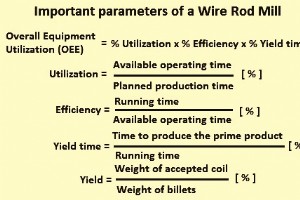
Important Features of Rolling of Wire RodsWire rods are normally rolled in a high speed rolling mill, where steel temperature is above 1,000 deg C, maximum speed of rolling exceeds 120 metres per second (m/s) and coils of wire rod produced can be upto 10 kilometers (km) long. During rolling of wire
Production of Steel in Induction FurnaceMedium frequency coreless induction furnace is generally used for the production of steel in the steel melting shops of low capacity. The induction furnace is equipped with a converter for producing the necessary medium frequency from the 50 Hz frequency of th
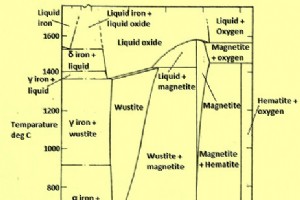
Theoretical Aspects of Direct Reduction Process In the direct reduction process of iron ore, the solid metallic iron (Fe) is obtained directly from solid iron ore without subjecting the ore or the metal to fusion. Direct reduction can be defined as reduction in the solid state at oxygen (O2) potenti
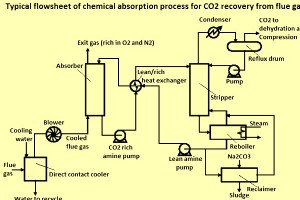
Carbon Capture and Storage TechnologiesCarbon capture and storage also called sequestration (CCS) involves the capture, transport, injection and containment of CO2 (carbon di-oxide) in geological structures such as depleted oil and gas reservoirs, onshore and offshore saline aquifers located deep in
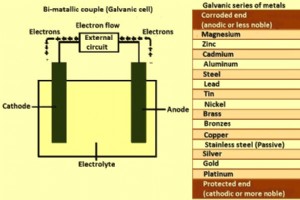
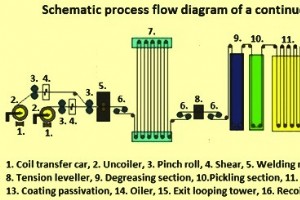
Galvanizing of SteelGalvanizing of steel means application of zinc on the steel for corrosion protection. The major types of commercially available methods for applying zinc coatings are hot dip galvanizing, continuous galvanizing process, electro-galvanizing, zinc plating, mechanical plating, zinc
Tinplate and Process of TinningTinning or tinplating is the process of thinly coating sheet or strip of steel with tin (Sn), and the resulting product is known as tinplate. Tinplate is light gauge, cold-reduced low-carbon steel sheet or strip, coated on both faces with commercially pure tin. It comb
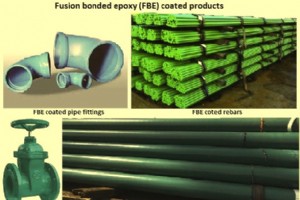
Fusion Bonded Epoxy Coating of SteelFusion bonded epoxy (FBE) coating of steel materials is primer less, one-part, heat curable, thermosetting powdered epoxy coating which is designed to provide maximum corrosion protection to the substrate steel. It is a coating of very fast curing, thermosetting p

Enamel Coating on SteelThe art and science of fusing glasses (now known as porcelain enamels or simply enamels) to the surfaces of metals dates back to the civilizations of ancient Egyptians and Persians. The earliest use was for jewelry where the enamel was fused to gold. By the middle-ages, the ra
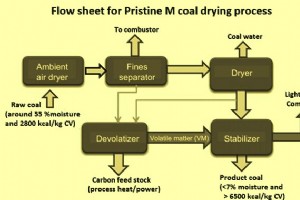
Pristine-M process technology for drying of low rank coalsPristine-M process technology for the drying of the low rank coals is being developed by Clean Coal Technologies, Inc. (CCTI). It is a patented technology for converting raw low rank coal into a cleaner burning more efficient fuel. It address
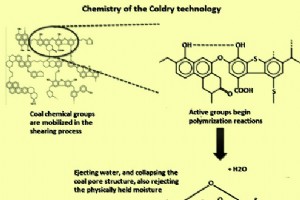
Coldry technology for low rank coal drying Coldry technology is being developed by Environmental Clean Technologies (ECT) Limited, Australia. The technology consists of expelling of water from a wide range of low rank coals (lignite coals and sub-bituminous coals) containing up to 70 % moisture into
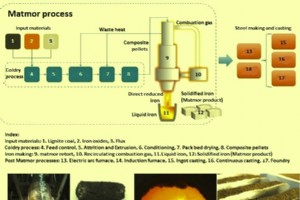
Matmor Process for Iron makingMatmor process is an iron making process which is presently being developed by Environmental Clean Technologies Ltd (ECT). Matmor process technology is a patented technology. The technology is based on lignite coal and is capable of replacing high-grade lump iron ore wi
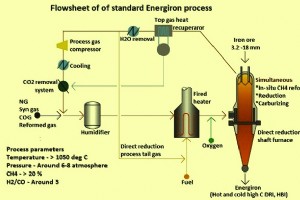
Energiron Direct Reduction Technology Energiron direct reduction technology is a gas based direct reduction technology. Energiron process converts iron ore pellets or lumps into metallic iron. It uses the HYL direct reduction technology developed jointly by Tenova and Danieli and is a competitive an
Manufacturing process