Industrial manufacturing
Manufacturing process

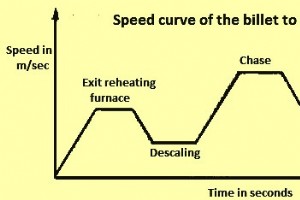
Endless Rolling of Bars and Rods Endless rolling technology is the most advanced process method for the rolling of the bars and rods (also known as long products) from the billets. It consists of a welding arrangement designed to endlessly join billets together in order to provide a continuous suppl
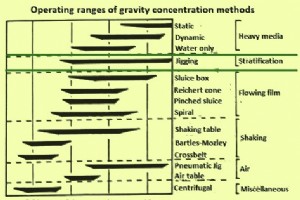
Low grade Iron Ore Beneficiation and the Process of Jigging Iron ore resources are getting consumed at an accelerated rate because of the growth in the production of iron and steel. Due to this reason the availability of high grade iron ore is reducing and the supply of high grade iron ore to iron a
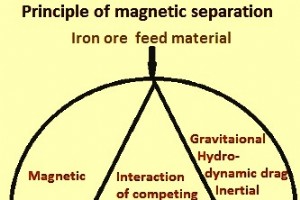
Magnetic Separation and Iron Ore BeneficiationMagnetic separation is an old technique for the concentration of iron ores and for the removal of tramp iron. Since 1849, a number of patents on magnetic separation have been issued in USA, and texts of some of the patents before 1910 describe a variety
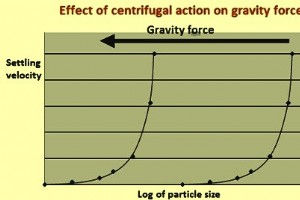
Gravity separation and Ore BeneficiationGravity separation is the oldest known ore beneficiation technique and is practiced extensively in ‘Nature’. Earliest recorded human use of gravity separation was recovery of gold by panning from the Upper Nile by ancient Egyptians, dating back to 1900 BCE.Gra
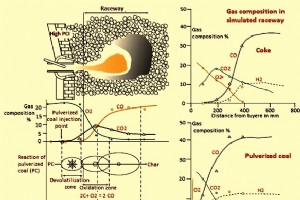
Understanding Pulverized Coal Injection in Blast FurnacePulverized coal injection (PCI) is a well-established technology for hot metal (HM) production in a blast furnace (BF). It is practiced in most of the BFs and all the new BFs are normally built with PCI capability. The composition and propertie
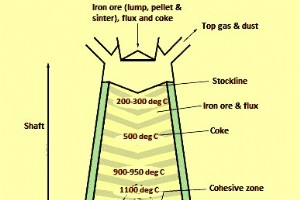
Understanding Blast Furnace Ironmaking with Pulverized Coal InjectionInjection of pulverized coal in the blast furnace (BF) was initially driven by high oil prices but now the use of pulverized coal injection (PCI) has become a standard practice in the BF operation since it satisfies the requirement
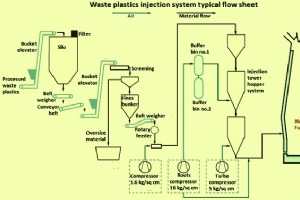
Waste Plastics injection in a Blast FurnaceThe recycling of waste plastics (WP) by injecting them in a blast furnace (BF) is being practiced in few BFs especially in japan and Europe. The use of plastics in the BF also recovers energy from the WP and so it is sometimes considered as energy recovery.
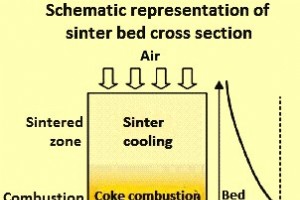
Theory and Practice of Sintering of Iron oreSintering of iron ore is a generic term which is used to describe the process whereby a sinter mix (raw mix or green mix) of iron ore fines, fluxes, fuel (coke breeze) and plant return fines (e.g. mill scale, blast furnace dust, and returned sinter fines e
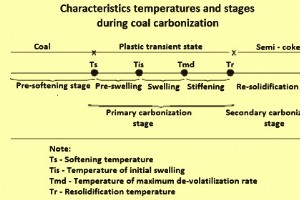
Coal Carbonization for Coke ProductionCoal carbonization is the process by which coal is heated and volatile products (liquid and gaseous) are driven off, leaving a solid residue called coke. Carbonization of coal involves heating coal to high temperatures either in the absence of oxygen (O2) or in
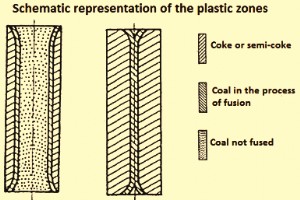
Coking Pressure Phenomena and its Influencing FactorsCoking pressure is a phenomenon which has become important because of the use of the double-heated wall, vertical, slot-type coke ovens. In the round beehive ovens as well in the heat recovery coke ovens, which are also being used for coke product

Coal Tar and its Distillation ProcessesCoal tar, also known as crude tar, is the by-product generated during the high temperature carbonizing of coking coal for the production of the metallurgical coke in the by-product coke ovens. It is a black, viscous, sometimes semi-solid, fluid of peculiar smel
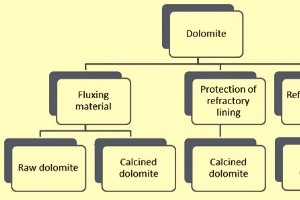
Dolomite – Its Processing and Application in Iron and Steel IndustryDolomite is an anhydrous carbonate mineral. It is a double carbonate of calcium and magnesium (CaCO3.MgCO3). It is one of the important raw materials used in production of iron and steel.Dolomite contains theoretically 54.35 % of Ca
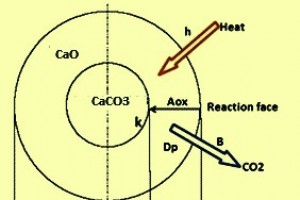
Limestone – Its Processing and Application in Iron and Steel IndustryLimestone is a naturally occurring and abundant sedimentary rock consisting of high levels of calcium carbonate (CaCO3) in the form of the mineral calcite. Some limestones may contain small percentage of magnesium carbonate (MgCO3)
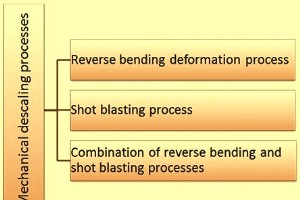
Mechanical Processes for Descaling of SteelScale is the product of oxidation which takes place during hot rolling. The oxidation and scale formation of steel is an unavoidable phenomenon during the process of hot rolling which involve reheating of steel in a reheating furnace, multi-pass hot rolling
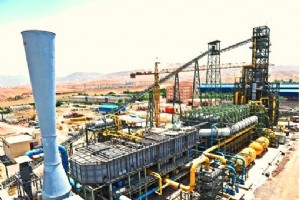
PERED Technology for Direct Reduced Iron ProductionPERED technology is also known as ‘Persian Reduction’ technology. It is the direct reduction technology invented and patented by ‘Mines and Metals Engineering GmbH’ in 2007. The PERED direct reduction process converts iron oxides, in the form of pel
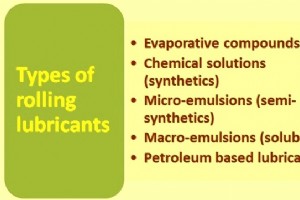
Role of Lubrication during the Process of Metal Working For understanding the role of lubrication during the processes of metal working, it is important to know the tribology of the lubrication. Tribology consists of boundary friction, which is associated with almost all operations of the metal work
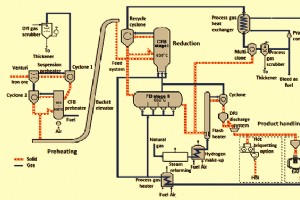
Circored and Circofer processes of ironmakingCircored and Circofer processes of ironmaking are fluidized bed based iron ore fines reduction processes. These processes completely avoid agglomeration process and make direct use of iron ore fines. Since the processes use non coking coal, necessity of c
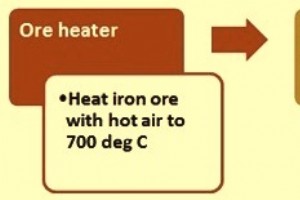
Process for Manufacturing of Iron CarbideIron carbide (Fe3C) is a high melting point, non-pyrophoric, strongly magnetic synthetic compound obtained in granular form. It consists of around 90 % total iron (Fe) and around 7 % total carbon (C). The primary use of the product is as a metallic charge dur

Redsmelt process for ironmakingRedsmelt is a new ironmaking process based a two reduction steps. These are (i) pre-reduction of iron bearing materials in a rotary hearth furnace (RHF), and (ii) smelting of the hot pre-reduced iron (DRI, direct reduced iron). Originally a submerged arc furnace (SAF)
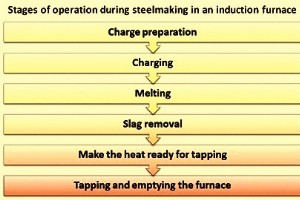
Steelmaking in Induction FurnaceCoreless induction furnaces have been used in the ferrous industry for over 50 years and are now one of the most popular means of melting and holding ferrous materials. Induction melting had dramatic growth during the 1960s based on line frequency technology, and late
Manufacturing process