Industrial manufacturing
Manufacturing process

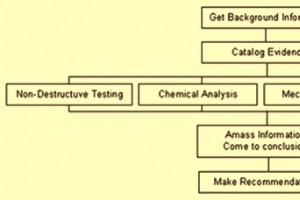
Failure AnalysisFailures of equipment components and assemblies, or structures in industry can cause loss of life, unscheduled shutdowns, increased maintenance and repair costs, and damaging litigation disputes.To prevent future recurrence of the problem caused by the failures ,it is essential to ca
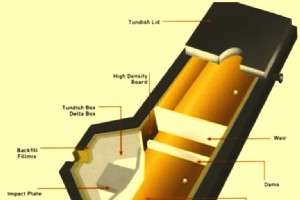
Refractory Lining of a Continuous Casting TundishIn the continuous casting (CC) of steels, tundish is a buffer refractory lined vessel which is located between the ladle and the CC mould. The tundish serves the purpose of a reservoir and a distribution vessel. Over the years, there have been dramat
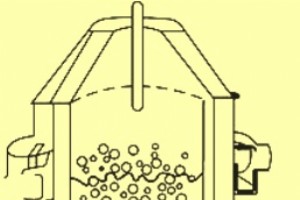
CLU process for Stainless Steel ProductionStainless steel production process has some basic features such as carbon (C) removal, deoxidation and desulphurization. In the production process, these operations are generally combined with some alloying with solid material as well as nitrogen (N2) contro
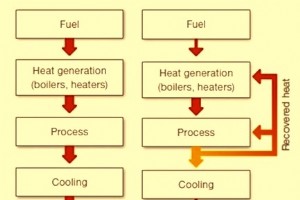
Recovery of Waste Heat Waste heat is the heat which is generated in a process due to the combustion of fuel or due to a chemical reaction and then discharged into the environment without being put to practical use. Sources of waste heat include hot combustion gases discharged into the atmosphere, pr
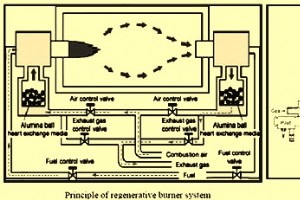
Types of Burners in Reheating FurnacesPresently steel industry is facing major challenges of the continuous reduction of the environmental emissions while improving the economic viability of the processes. Reheating furnaces due to their high-energy consumption is one area where attention of steel
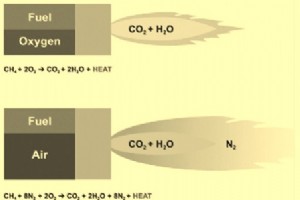
Oxy- Fuel Combustion and its Application in Reheating FurnaceSteel reheating is an energy intensive process requiring uniform temperature distribution within reheating furnaces. Historically, recuperators have been used to preheat combustion air, thereby conserving energy. More recent innovations in
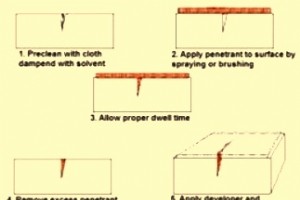
Non Destructive Testing of SteelsNon destructive testing (NDT) of steels is a group of analysis techniques used for evaluating the properties of steel materials, components, or welds without causing any damage to them. NDT techniques are used to detect and evaluate internal and surface defects (such
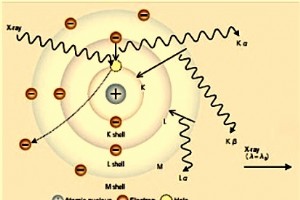
Instrument Analysis of Steel, Slag and Raw MaterialsInstrument analysis is widely used for the qualitative and quantitative elemental analysis of raw materials, iron (hot metal), steel, slag, refractories, and sludges samples. Compared to the wet analysis, the advantage of instrument analysis is tha
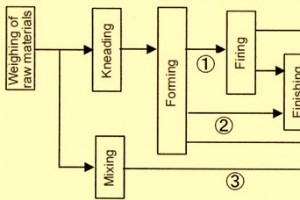
Production Process for Shaped RefractoriesRefractory products can be shaped (formed) or shapeless (monolithics/castables). They can be made of acidic, neutral, basic or composite materials. The materials used for the production of refractories may or may not contain additives. Further shaped refrac
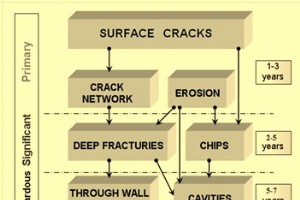
Coke Oven Refractory RepairsCoke oven battery is a refractory structure, contained within a steel and/or concrete exoskeleton. This exoskeleton is held together in the lateral direction by a series of tie rods between steel buckstays. The buckstays are vertical steel beams located on the ends of the
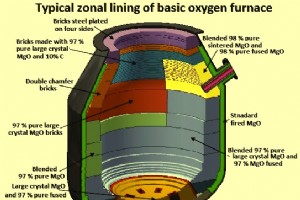
Refractories for Basic Oxygen Furnace The main objective in the development of refractories for basic oxygen furnace (BOF) is to get a useful lining life of the wear lining so as to obtain maximum availability of the BOF. Longer lining life not only results in lower refractories cost but it also ena
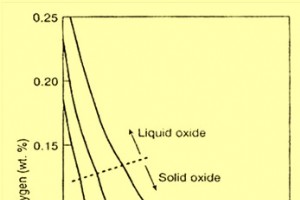
Deoxidation of Steel Steel making process consists of refining of hot metal to steel which is done under oxidizing atmosphere. During refining process oxygen get dissolve in steel. The following are the main sources of oxygen in steel.Oxygen blowingUse of oxidizing slags and iron ore during the stee
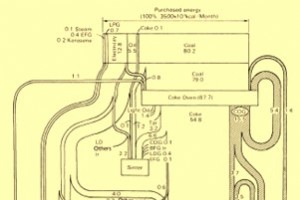
Energy Efficiency and Iron and Steel Production In the recent years, the need for a more rational and efficient use of energy has emerged as a strategic and urgent issue. Such a necessity is particularly perceived in the iron and steel production, not only because of the increasing costs of energy,
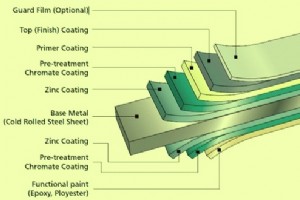
Colour Coating of Steels Colour coating is a term used to describe the application of a decorative and/or protective organic coating to steel substrate supplied in coil form. Colour coated steel is also called as pre-painted steel.Colour coatings are paint coatings and are specialty products, which
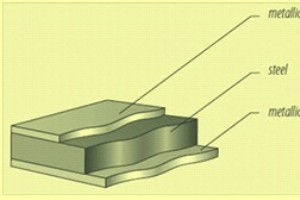
Metal Coatings of Steels Metallic coated steels are defined as a steel substrates coated with a layer of zinc, Zn/Al (zinc/aluminum) alloy, Zn/Si (zinc/silicon) alloy, or pure Al etc. The schematic arrangements of metal coating structure with and without passivation is shown in Fig 1,Fig 1 Metal coa
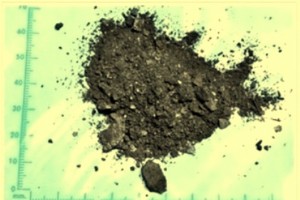
Generation Transport and Uses of Mill Scale Mill scale is the flaky surface of hot worked steel and is formed by the oxidation of the steel surface during reheating, conditioning, hot rolling, and hot forming operations. It is one of the wastes generated in steel plants and represents around 2 % of
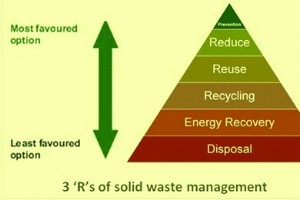
Solid Waste Management in a Steel Plant Steel industry in general, produces large amounts of solid wastes while processing materials through its various processes. These solid wastes have many valuable products, which can be reused if recovered economically. Steel industry throughout the world has a
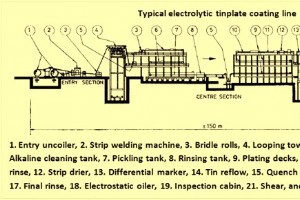
Production of Tin Plates and Tin Free Steel Tin coating is the process of thinly coating sheets of steel with tin (Sn), and the resulting product is known as tinplate. It is most often used to prevent rust. The sheet of steel on which the tin coating is done is known as black plate. When chromium (C
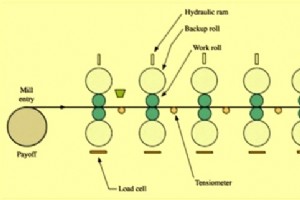
Cold Rolling of Steels The primary purpose of cold rolling of steels is to reduce the thickness of the hot rolled steel strips (normally in the range of 1.5 mm to 5 mm) into thinner thicknesses (usually in the range of 0.12 mm to 2.5 mm) which cannot be normally achieved during hot rolling in a hot
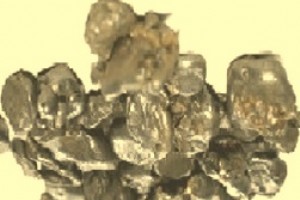
Granulation of Liquid IronGranulation of liquid iron is a method of handling of excess production of hot metal in a blast furnace (BF) which cannot be consumed by steel making in the steel melting shop of an integrated iron and steel plant. It is a cost effective method of producing a solid product
Manufacturing process