


Industrial manufacturing
Manufacturing process

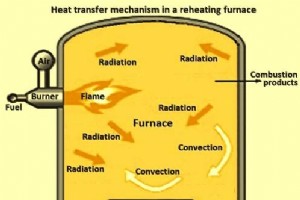
Reheating Furnaces and their TypesReheating furnaces are used in hot rolling mills to heat the steel stock (Billets, blooms or slabs) to the rolling temperatures of around 1200 deg C which is suitable for plastic deformation of steel and hence for rolling in the mill. The heating process in a reheat
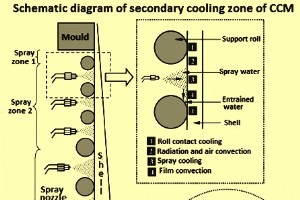
Air mist cooling in continuous castingA continuous casting machine (CCM) is required to cast efficiently a wide range of steel grades in the present day environment. This range varies from ultra low carbon and low carbon grades to high carbon to low alloy and high quality pipeline grades. Consistent
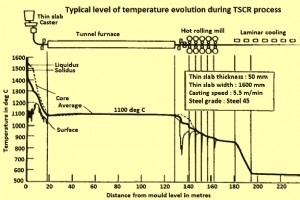
Thin Slab Casting and RollingFor the production of flat products, liquid steel is generally cast in form of slabs usually in the thickness range of 150 mm to 350 mm in the continuous slab casting machines. These slabs are inspected, scarfed and then reheated in slab reheating furnace to the rolling
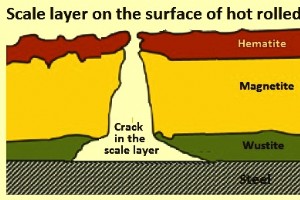
Pickling of Hot Rolled Steel Strip of Carbon Steel in Pickling LinesPickling is carried out in order to prepare (remove scale or oxides) the steel surface for the next process of cold rolling. The oxide scale is required to be completely removed from hot rolled steel strip before subsequent cold ro
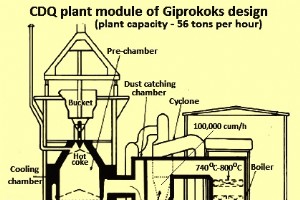
Dry Quenching of Hot CokeCoke dry quenching (CDQ) is an energy saving process used during the production of coke in the coke oven battery. A CDQ plant is also called coke dry cooling plant (CDCP). In the traditional CWQ (coke wet quenching) process, the red-hot coke which is pushed from the coke ove
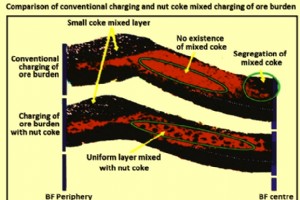
Use of Nut Coke in a Blast FurnaceMetallurgical coke also called blast furnace (BF) coke plays an important role in the stable operation of the BF. BF coke has typical size of 30 mm to 60 mm (some furnaces use BF coke of size 40 mm to 80 mm) and it constitutes a big component of the production cost
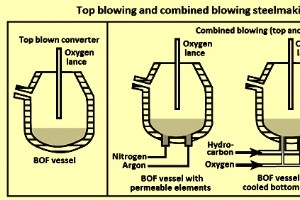
Combined Blowing Process in Converter Steelmaking Inhomogeneities in chemical composition and temperature are created in the liquid steel during the oxygen (O2) blow in the top blown converters because of the lack of mixing in the liquid steel bath. There is a relatively dead zone directly under the
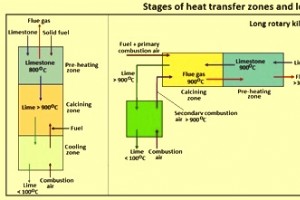
Calcination of Limestone Calcination or calcining is a thermal treatment process to bring about a thermal decomposition. The process takes place below the melting point of the product. The name calcination is derived from the Latin word ‘Calcinare’ which mean to burn lime. Lime (CaO) is one of the o
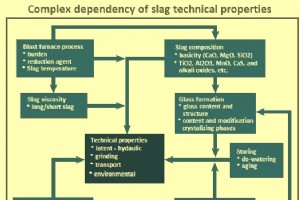
Blast Furnace Slag Granulation at the Cast HouseA blast furnace (BF) is a closed system into which iron-bearing materials (iron ore lump, sinter and/or pellets), fluxes (slag formers) and reducing agents (i.e. coke) are continuously fed from the top of the furnace shaft through a charging system. T
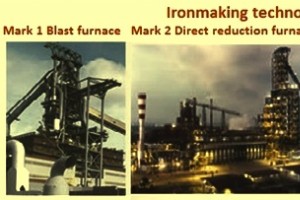
ITmk3 Process of making Iron NuggetsITmk3 process is also known as Iron making technologies (IT) mark 3 and is one of the coal reduction technologies. IT mark 1 is the iron making process by blast furnace (BF) while the IT mark 2 is the iron making by direct reduction mostly by gas based reduction p
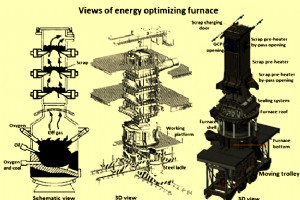
Energy Optimizing FurnaceEnergy optimizing furnace (EOF) is a furnace for the primary steelmaking. The steelmaking process in the EOF was developed by the mini steelworks pioneer Willy Korf along with his colleagues. The process is operating at the GERDAU Divinopolis plant in Brazil and at JSW SISCO

FINEX Process for Liquid Iron ProductionThe FINEX smelting-reduction process was developed by Primetals Technologies, Austria and the South Korean steel manufacturer Posco. FINEX process is a commercial proven alternative iron making process for the production of hot metal (HM) in addition to the b
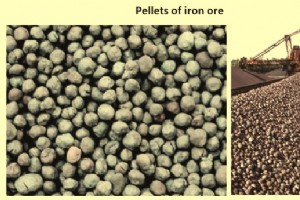
Introduction to Iron ore Pellets and Pelletizing processesPelletizing is a process which involves mixing of very finely ground particles of iron ore fines having a size which is less than 200 mesh (0.074 mm) with additives like bentonite and then shaping them into near oval/spherical balls having si
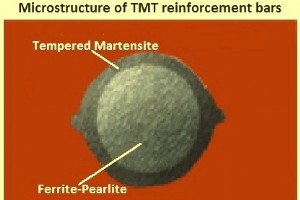
Quenched and Tempered Reinforcement bars The reinforcement steel bars (rebar) are produced these days by the application of the technology of quenching and tempering of the bars during its production in the rolling mill. The rebars produced by this technology are popularly known TMT (thermo-mechanic
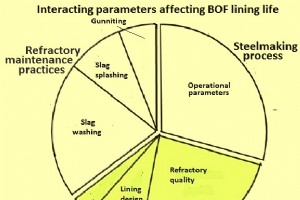
Role of MgO in prevention of lining corrosion in basic oxygen furnacesThe purpose of a refractory lining in a basic oxygen furnace (BOF) is to provide maximum furnace availability during operation of the BOF in order to meet production requirements and to ensure lowest possible specific refractory c
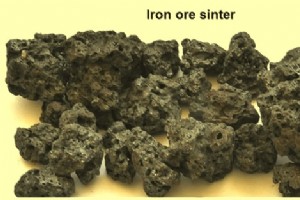
The Sintering Process of Iron Ore FinesSintering plants are normally associated with the production of hot metal in blast furnaces in integrated steel pants. The process of sintering is basically a pre-treatment process step during iron making for the production of the charge material called sinter
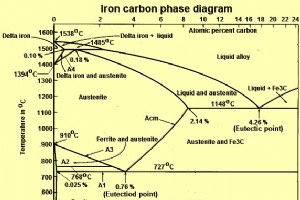
The Iron-Carbon Phase DiagramThe phase diagrams are very important tools in the study of alloys for solutions of many practical problems in metallurgy. These diagrams define the regions of the stability of a phase which can exist in an alloy system under the condition of constant atmospheric pressur
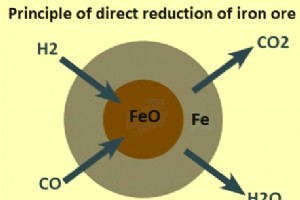
Direct Reduced Iron and its Production ProcessesDirect reduced iron (DRI) is the product which is produced by the direct reduction of iron ore or other iron bearing materials in the solid state by using non-coking coal or natural gas. Processes which produce DRI by reduction of iron ore below the me
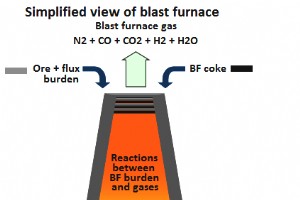
Blast Furnace Gas Generation and UsageBlast furnace (BF) process is the leading technology for the production of hot metal (HM) required for steelmaking as well as for the production of the pig iron. HM is the main product of the BF. During the production of the HM, BF gas is produced simultaneously
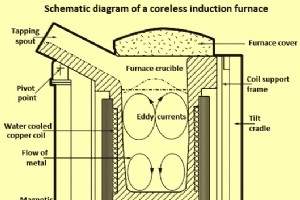
Induction Furnace and SteelmakingInduction furnace is a type of furnace for steelmaking which uses electrical energy for its operation. Induction furnace (IF) steelmaking is one of the two electrical steelmaking processes. The other process for electrical steelmaking uses an electric arc furnace (EA
Manufacturing process
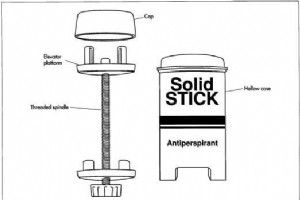
Antiperspirant/Deodorant Sticks: Science, History, and Manufacturing Insights
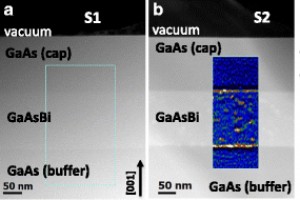
Mapping Bismuth Distribution in GaAsBi/GaAs Heterostructures Using Aberration-Corrected HAADF‑STEM

Axiom Equipment Group: 2018 Highlights & 2019 Outlook – Insights from GM Randy Gay
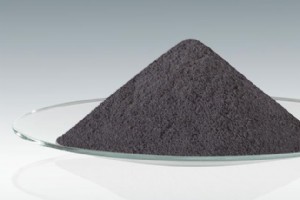
Medical Tantalum Powders: 99%+ Purity, 2–3 µm D50, Superior Sintering for Bone Implants
