



Exploring FPGAs: Applications, Benefits, and Getting Started with VHDL
This video is an introductory presentation about FPGA and programmable logic technology. I delivered this 45‑minute talk at an event hosted by 7 Peaks Software in Bangkok, Thailand, on 19 November 2019.
Highlights from the presentation:
- 05:07 – Who uses FPGAs?
- 09:06 – What is an FPGA?
- 12:13 – Emulating logic gates with static RAM
- 17:47 – Common FPGA primitives
- 19:51 – Cheapest and most expensive FPGA
- 20:53 – Floorplan of an FPGA
- 24:30 – VHDL
- 28:05 – Synthesis and Place‑and‑Route
- 30:50 – Soft‑cores
- 33:15 – Hybrid FPGA/CPU (Zynq‑7000)
- 36:44 – Advantages and disadvantages of FPGA
- 40:28 – Products that contain FPGAs
- 45:18 – Free learning resources from VHDLwhiz.com
Who uses FPGAs?
FPGA technology powers a broad spectrum of products—from satellites orbiting Earth to high‑frequency trading systems on Wall Street. Below are the key industries that rely heavily on programmable logic.
Defense
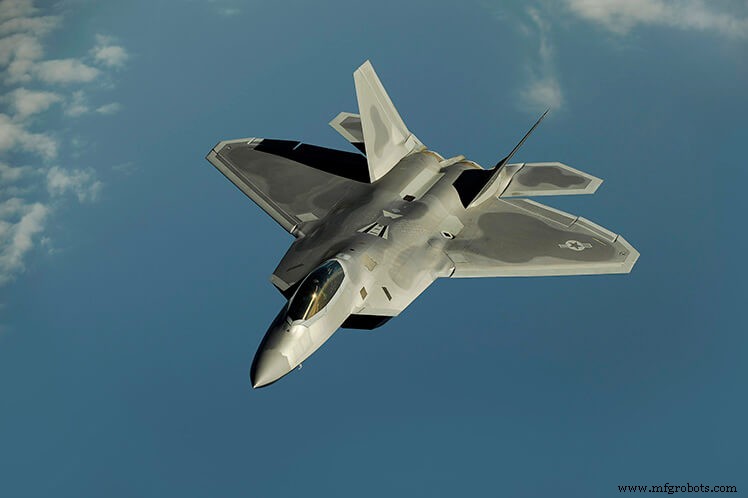 The defense sector invests heavily in custom FPGA solutions. Military‑grade systems demand extreme reliability and stringent quality standards, and the budgets are often abundant thanks to government backing. FPGAs excel in radio communications, radar signal processing, and test equipment for these applications. I’ve worked directly on FPGA designs for defense projects; read more about my experience here.
Space
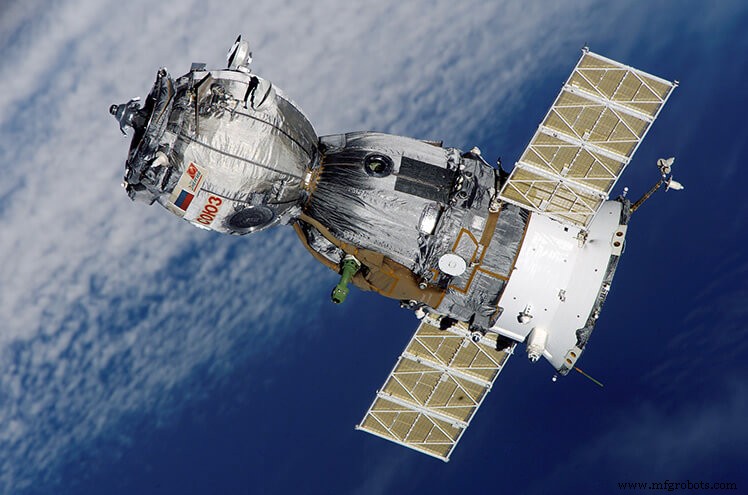 Satellites use FPGAs for interface control, sensor data acquisition, and real‑time signal processing. Their low power consumption, ability to be radiation‑hardened, and ease of verification make FPGAs a natural fit for space hardware.
Aerospace
 Aerospace applications mirror space use cases but add strict compliance with DO‑254 for airborne hardware. FPGAs often satisfy verification requirements more quickly and cost‑effectively than equivalent software under DO‑178C.
Automotive
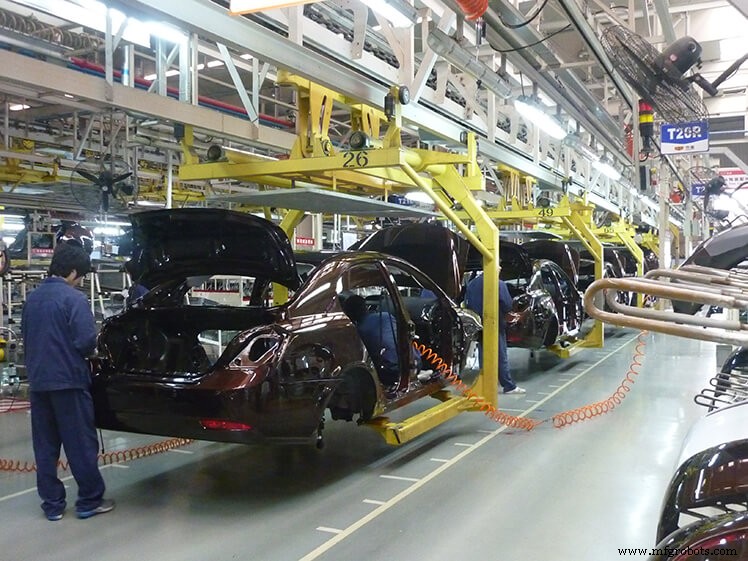 Modern vehicles employ FPGAs for motor control in diesel engines, autonomous driving pipelines, and high‑bandwidth infotainment systems. Precise timing for three‑phase induction motors relies on FPGA logic to maximize efficiency.
Telecom
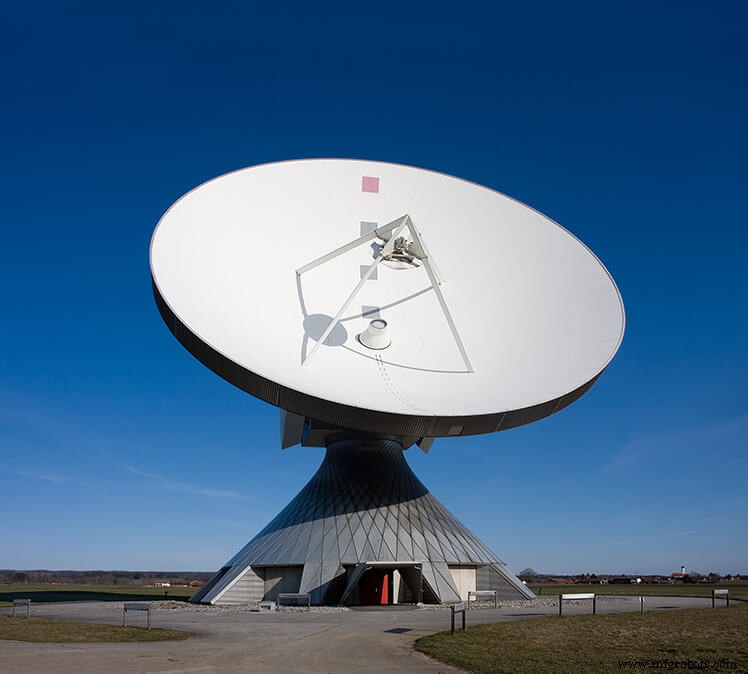 Telecommunication infrastructure—from base‑station baseband units to network routers—leverages FPGAs for flexible, low‑latency processing. Consumer devices typically use ASICs, but the high cost of ASIC design is offset by large production volumes.
Data Centers
 Major cloud providers (AWS, Azure, Google, Meta) deploy custom FPGA accelerators to meet demanding workloads. While specific use cases remain proprietary, job postings and conference talks confirm widespread FPGA adoption in data‑center workloads.
High‑Frequency Trading
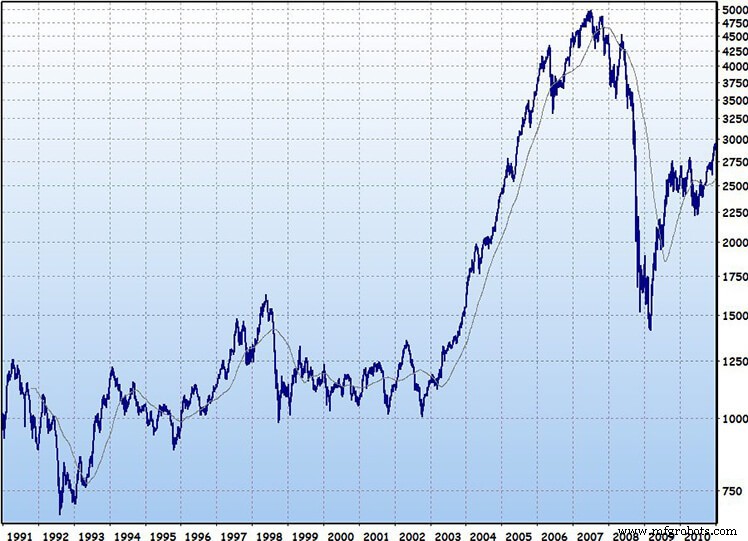 In algorithmic trading, milliseconds matter. FPGAs deliver deterministic, sub‑microsecond latency that outpaces CPUs and GPUs, enabling traders to process market data and execute orders faster than rivals.
Cryptocurrency Mining
 FPGAs have revived interest in mining because they consume far less power per hash than GPUs. Crowdfunded FPGA miners, such as UltraMiner, claim up to four‑fold energy efficiency gains.
Examples of products that contain FPGAs
While consumer electronics rarely ship with FPGAs, several well‑known devices do.
HTC Vive
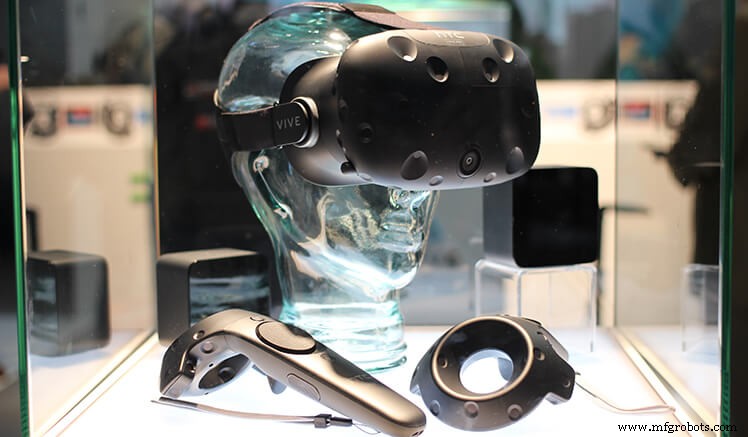 The VR headset incorporates three low‑end Lattice FPGAs, likely for interface control and sensor handling rather than graphics processing.
Google Waymo
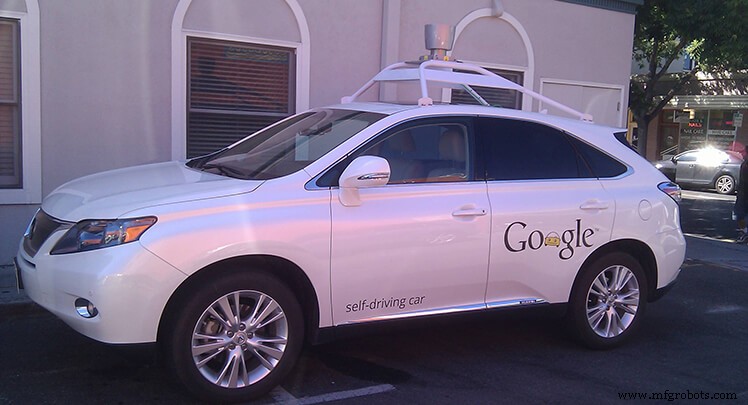 Waymo uses FPGAs for sensor fusion—particularly LiDAR data processing—during early development and prototyping phases.
iPhone 7
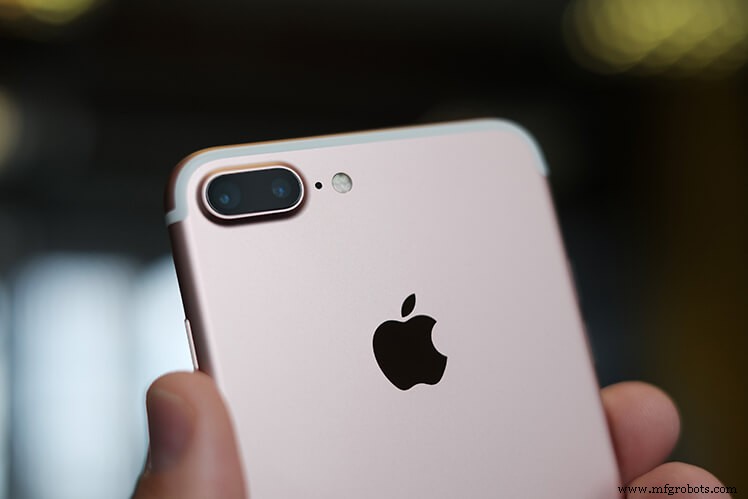 Apple’s iPhone 7 houses an FPGA that may enable over‑the‑air AI acceleration, allowing hardware updates post‑manufacture.
Apple Afterburner
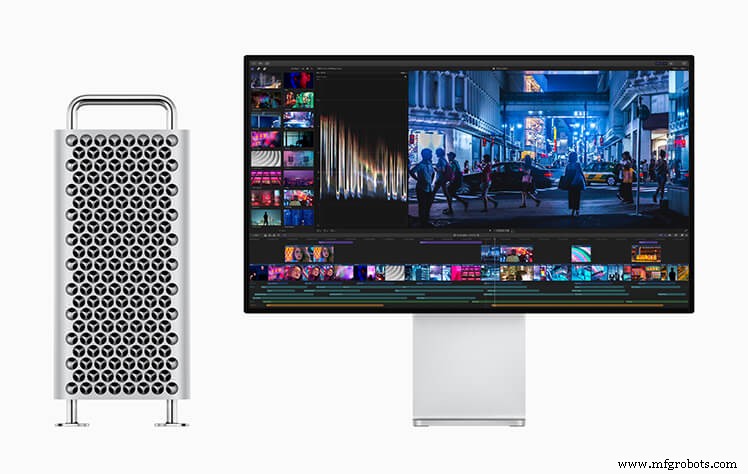 The Afterburner card renders up to three 8K ProRes streams in real time, leveraging FPGA logic for high‑speed image processing.
Nvidia G‑Sync
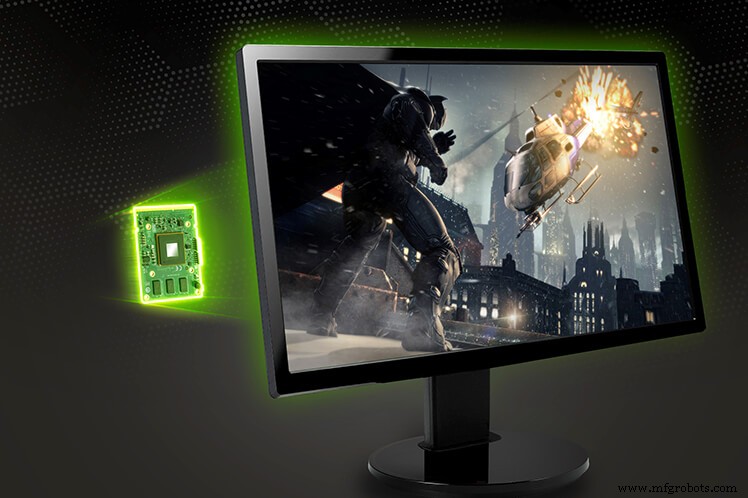 G‑Sync synchronizes GPU output with display refresh rates, a task that hardware handles far more efficiently than software V‑Sync.
Sigilent Oscilloscope
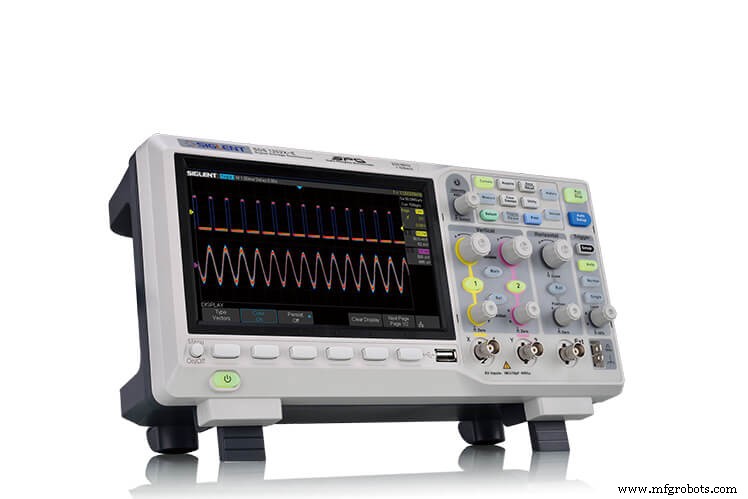 The SDS 1202X‑E combines a Xilinx Zynq‑7000 with Linux on the processing system and FPGA logic for high‑speed data capture, illustrating a powerful SoC design.
UltraMiner FPGA
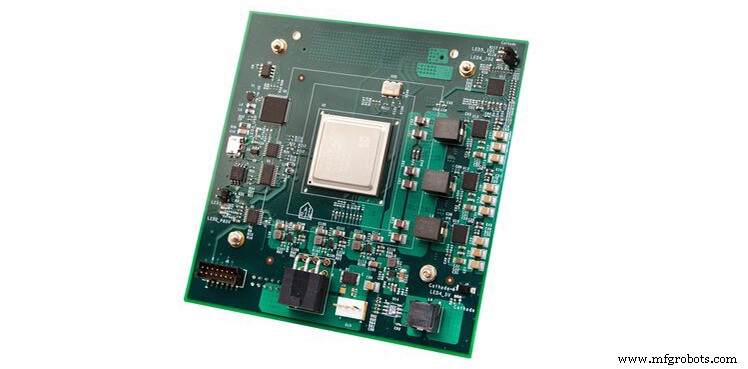 UltraMiner, a crowdfunded FPGA miner, promises four‑fold energy efficiency compared to GPU rigs.
Pebble Time
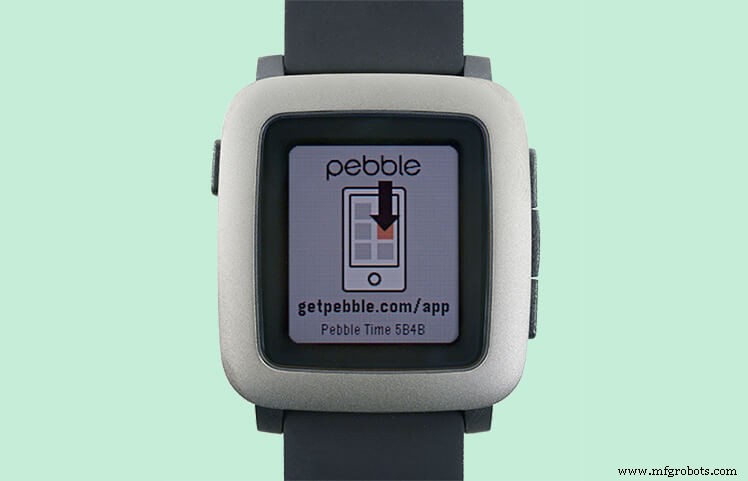 The Pebble smartwatch uses a tiny FPGA to drive its LCD. The firmware is open‑source, with FPGA interface code hosted on GitHub.
Ready to program an FPGA?
Creating FPGA logic requires a hardware description language (HDL). VHDL is one of the most widely used HDLs, and our site focuses on it.
Begin with free simulations in ModelSim’s student edition. Basic VHDL Tutorials guide you through simulation basics, while our premium courses dive deeper.
VHDLwhiz learning resources
FREE: Basic VHDL Tutorials
PREMIUM: Dot Matrix FPGA and VHDL course
FPGA and VHDL Fast‑Track: Hands‑On for Absolute Beginners
Are you familiar with programming but new to VHDL?
Do you need a quick intro?
Can’t find time for long courses?
This intensive bootcamp covers FPGA fundamentals in a few evenings. Pair the course with a low‑cost Lattice iCEstick board, and you’ll prototype real hardware in hours.
Click here to read more and enroll: FPGA and VHDL Fast‑Track: Hands‑On for Absolute Beginners
VHDL
- Programmable Logic Controllers (PLCs): Modern Digital Control for Industrial Systems
- Understanding Boolean Algebra: From Logic Foundations to Digital Circuits
- Combinational Logic Functions: Fundamentals & Practical Applications
- Lattice CrossLink‑NX FPGA: 75% Lower Power, 10× Smaller, 100× More Reliable for Edge AI
- FPGA Implementation Languages: From VHDL and Verilog to High‑Level C/C++
- FPGA Hardware Resources for High‑Performance Embedded Systems
- Getting Started with FPGA Development: Building a 4‑Bit Adder on Xilinx Artix‑7
- Top 20 PLC Manufacturers: A Comprehensive Guide
- FPGA vs. Microcontroller: Key Differences Explained
- Programmable Logic Controllers (PLCs): The Brain Behind Industrial Automation