



Enzyme Washing: Eco‑Friendly, Cost‑Effective Laundry for Jeans and Fabrics
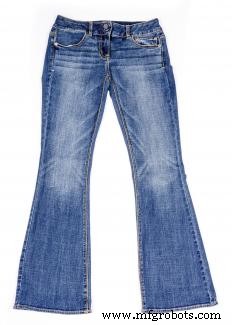
Enzyme washing is a laundering process that uses enzymes to clean clothing or to finish fabric, especially in the case of jeans and other garments with a worn-in look. Various enzymatic cleaners are available from stores that specialize in laundry supplies, and they can also be special ordered. For regular cleaning, enzymes carry many economic and environmental benefits. On an industrial scale, it has replaced laborious laundering techniques such as stonewashing, saving money and environmental impact for companies.

The enzymes used in this technique are proteins produced by living organisms. All organisms produce a wide range of these proteins to accomplish necessary biological tasks. Some can also be replicated in the lab, or engineered to perform in a particular way. One of the reasons that enzyme washing is so ecologically friendly is the natural origins of enzymes, which biodegrade rather than lingering in the water supply. These products are also much more potent than other laundry products, requiring people to use far less, in terms of volume.
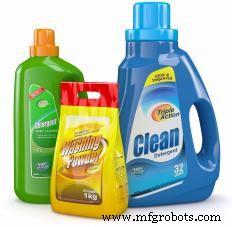
Different types of enzymes are suitable for different stains. In all cases, the washing process breaks the stain down into smaller molecules, which can be removed with water or conventional soap. Amylases will remove starch-based laundry stains, while proteases break down protein chains, making them suitable for protein stains. Lipases work very well on grease and oil, and cellulases are excellent general cleaners. The washing process also yields a softer, more supple garment.

For delicate garments, enzyme washing can be an excellent way to get clothing fresh and clean. Enzymes also work at very low temperatures, making them suitable for cold wash only things ranging from silk to wet suits. Many natural detergent products mix these proteins into their formulas, to ensure that they are effective at all temperatures and on all stains.

Commercial clothing manufacturers also use enzyme washing to make their clothing appear aged and worn, especially in the case of jeans. Cellulases are usually used, since they will loosen the indigo dye in the denim, making the jeans look broken in and used. The enzymes will not compromise the strength of the fabric, but they will make the jeans softer, more supple, and more neutral in odor. Unlike stonewashing, the process will not leave residue in drains and on clothing. These garments may have labels indicating that they were subjected to the washing process before shipment and sale.
Industrial equipment
- Diamond Turning: Precision Machining for Advanced Optics and Beyond
- Ultrasonic Machining Explained: Process, Benefits, and Limitations
- Rotational Molding: The Complete Guide to Creating Hollow Plastic Parts
- Chrome Plating Explained: Process, Steps, and Applications
- What Is a Punch Tool? A Woodworker’s Essential Guide
- Friction Drilling Explained: Heat‑Generated Cutting for Faster, Cleaner Holes
- Spot Welding Explained: Process, Benefits, and Drawbacks
- Understanding the Oxygen (O2) Sensor: Role, Placement, and Failure Signs
- Enzyme Washing: Eco‑Friendly, Cost‑Effective Laundry for Jeans and Fabrics
- Decoding 'N' in Pump Calculations: Its Role and Significance