Industrial manufacturing
 MfgRobots >> Industrial manufacturing > >> Industrial Internet of Things >> Internet of Things Technology
Internet of Things Technology

Deploying an IoT solution in the United States presents a markedly different landscape than launching the same application in Europe. Beyond regulatory disparities, operational capabilities can shift with geography. Below we outline the critical factors that differentiate the two markets. Regulation

If you’re evaluating how to bring wireless connectivity to a previously unconnected device, you’re likely weighing the most practical, cost‑effective options for your market. The Internet of Things promises billions of connected devices in the next decade, so a clear, reliable choice is essential. B

Integrating IoT devices into a Wi‑Fi network you don’t own—especially in an enterprise setting—remains one of the most frequent pain points for developers. Provisioning is the gateway to reliable, secure operation, and understanding the nuances of both Wi‑Fi and cellular approaches is essential for
Why You Might Want to Move Beyond Z‑Wave Z‑Wave, built on the sub‑GHz 915 MHz band in the U.S. and 868 MHz in Europe, is backed by about 325 manufacturers and is a staple for home automation, smart lighting, and HVAC control. However, its proprietary nature, frequency restrictions, and mesh‑centric
When designing a smart lighting system, ZigBee often emerges as the go‑to technology. Built on the 2.4 GHz IEEE 802.15.4 standard, ZigBee offers a mesh network that promotes device interoperability and eliminates the need for complex wiring. Below, we detail why ZigBee excels in home, building, and
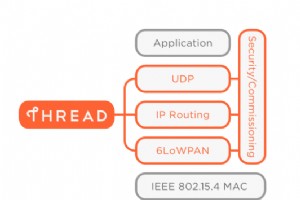
Thread and ZigBee share many core characteristics, yet they differ in key areas that influence design decisions. Both use mesh networking and the IEEE 802.15.4 MAC layer, enabling shared hardware support. They are open standards, targeting similar smart‑home and industrial IoT applications. Both op

When launching an IoT solution from scratch, one of the first critical decisions is whether to design your own gateway or purchase a ready‑made system. The choice hinges on budget, timeline, and feature requirements. Many teams opt to build in hopes of cutting costs or adding custom functionality no

In recent years, the promise of ubiquitous IoT coverage via low‑power wide‑area networks (LPWANs) has generated excitement across industries. Yet, as a developer, the real question is: does that promise translate into reliable, cost‑effective connectivity for your specific use case? Separate Fact fr
Designing an Internet‑of‑Things (IoT) device or application demands rigorous security and testing from day one. Below are the top five security measures you should implement, followed by the three most critical testing considerations to integrate into your development workflow. Security 1. Robust E

When launching an IoT project, the network topology you choose can determine everything from upfront costs to long‑term maintenance. Mesh networking—where every node forwards data for its neighbors—offers a compelling mix of flexibility and resilience. Below we break down the key advantages and disa

ZigBee and XBee are frequently mentioned together, but they serve distinct roles in the wireless ecosystem. Below we break down each technology, highlight key differences, and outline scenarios where one may be preferable to the other—or where both can coexist. ZigBee Built on the IEEE 802.15.4 sta

Link Labs customers frequently turn to LoRa for wireless connectivity in control‑centric projects. The technology’s long range and high link budget make it easy to cover an entire building, campus, or several city blocks with a single gateway. Most of these customers first test the standard LoRaWAN

LTE‑M1 is the 3GPP standard that brings true low‑power, long‑range connectivity to the Internet of Things (IoT) without the need for new infrastructure. By simply upgrading firmware, inexpensive radio chips can tap into the existing LTE network, delivering both coverage and reliability. Two core in

LoRaWAN, crafted by the LoRa Alliance, is the wireless protocol that governs LoRa LPWA technology from Semtech. Initially developed by IBM Research and Semtech for European mobile network operators (MNOs) operating wide‑area public networks, the specification is now maintained by the LoRa Alliance—a

Important Note: Link Labs is the maker of Symphony Link, an alternative protocol for LoRa focused on high‑reliability industrial and enterprise use cases. More below. When evaluating LoRaWAN and its ideal applications, it’s crucial to understand its origins. LoRaWAN—originally called LoRaMAC—was eng
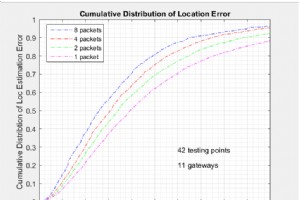
At Link Labs, we’ve noticed a growing interest in native LoRa geolocation. The concept is simple: use three or more gateways to calculate a time‑difference‑of‑arrival (TDOA) and derive a device’s position. It sounds straightforward, but the physics behind it make it far more complex. Update: Semtech

What is an IoT platform? An IoT platform is the software backbone that connects edge devices, access points, and data networks to the end‑user applications that deliver value. These platforms handle device management, data routing, and visualization, enabling organizations to automate and derive ins
Smart parking is often the first pillar that comes to mind when envisioning a modern smart city. It delivers tangible benefits: happier drivers, smoother traffic flow, reduced emissions, and increased revenue for both businesses and municipalities. Despite its clear advantages, launching a city‑wide

IoT environmental monitoring transforms raw data collection into actionable insights, from measuring ozone levels in meat‑packing plants to detecting forest fires before they spread. By automating what once required extensive manual labor, these sensors provide accurate, real‑time information that h
A building automation system orchestrates heating, ventilation, cooling, and often smart lighting and access control across an office or facility. Most systems began as wired architectures, but the planning overhead and cost can be prohibitive for many organizations. With the advent of reliable, lon
Internet of Things Technology