



What Is Destructive Testing and Its Critical Applications

Designing reliable assets demands rigorous testing to gauge the durability of materials, components, and machinery. Testing can be conducted in a destructive or non‑destructive manner.
In this article, we explore destructive testing—its principles, key use cases, and the expertise required to execute it.
What Is Destructive Testing?
Destructive testing (DT) is a controlled method that subjects a specimen to extreme stress until it fails, revealing its ultimate limits. Because the sample is permanently altered, it cannot be reused in normal operations.
DT is typically performed before a component moves into mass production. Original equipment manufacturers (OEMs) rely on these results to define safe operating envelopes and maintenance schedules.
Industrial boilers, for instance, must endure high pressures and temperatures. By subjecting boiler‑core materials to accelerated pressure tests, engineers can confirm that each boiler incorporates a generous safety margin, preventing catastrophic failures in the plant.
Who Performs Destructive Testing?
DT can be carried out in-house by specialized research teams or outsourced to accredited testing laboratories. For example, NASA conducts DT within its own facilities, while many companies engage external material testing services that meet Nadcap or ISO accreditation standards.
Testing labs also help OEMs select optimal materials from their extensive catalogs. Their data sheets, produced under ASTM or ISO guidelines, provide critical insights into mechanical and chemical properties.
Typical DT practitioners include:
- Materials scientists
- Metallurgical and polymer engineers
- Electrochemical specialists
- Failure analysis experts
- Quality control analysts
- Regulatory compliance professionals
Destructive vs. Non‑Destructive Testing
DT intentionally degrades the test item, whereas non‑destructive testing (NDT) preserves the specimen for future use. The table below summarizes the key distinctions.
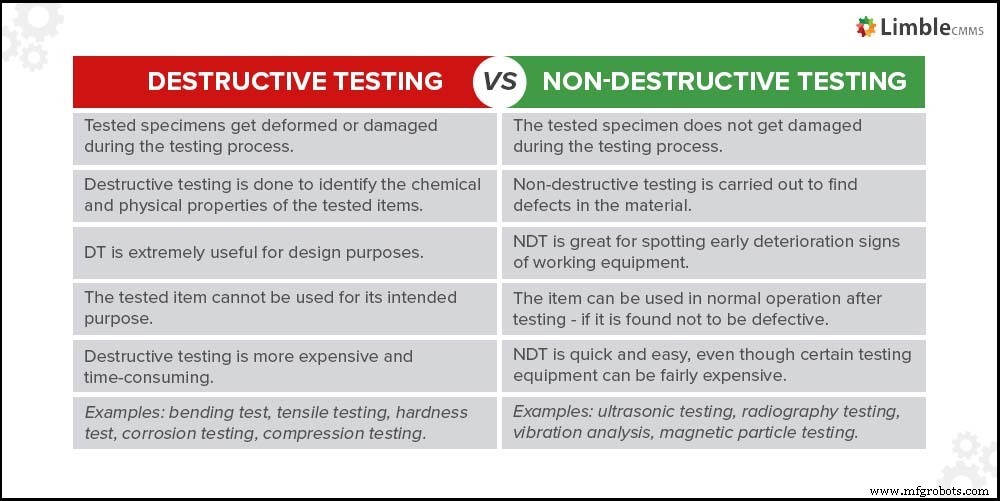
Differences between destructive and non‑destructive testing
While DT is often employed for failure analysis and pre‑production quality assurance, NDT supports in‑service condition monitoring, enabling predictive maintenance.
The Need for Destructive Testing
Although destructive, DT remains indispensable. Regulatory bodies frequently mandate it to validate material performance under expected operating conditions.
Materials must match their intended environments. For example, metals prone to corrosion cannot be used in humid or saline settings without protective measures.
Even industry leaders—Apple, for instance—have faced criticism for insufficient bend testing, leading to the infamous “bending gate” incident with early iPhone models.
Common Destructive Testing Methods
Each DT method targets specific properties. Standards such as ASTM and ISO provide protocols, while custom tests can be devised for unique product requirements.
Corrosion Testing
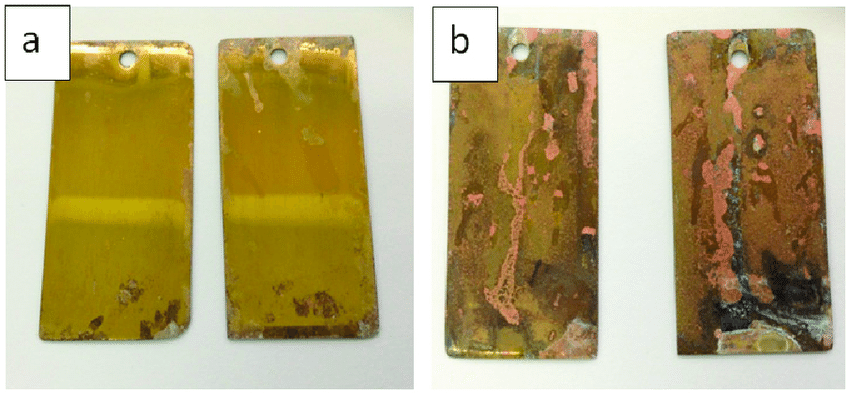
Brass samples after 5 days of salt spray corrosion test (Image source)
Corrosion reduces mechanical integrity. Corrosion testing evaluates the efficacy of protective coatings or alloy selection by exposing specimens to aggressive media and measuring weight loss, pitting, or surface degradation.
ASTM offers detailed standards for salt‑spray, accelerated carbonation, and electrochemical tests.
Hardness Testing

An indenter used for hardness testing (Image source)
Hardness reflects a material’s resistance to permanent indentation. Common scales—Rockwell, Brinell, Vickers—provide a quantitative measure that correlates with yield strength and wear resistance.
Tensile (Elongation) Testing

A tensile test demonstration (Image source)
Tensile testing applies a gradually increasing load until failure, producing key data such as ultimate tensile strength, yield point, and elongation at fracture. These metrics inform material selection for load‑bearing components.
Torsion Testing
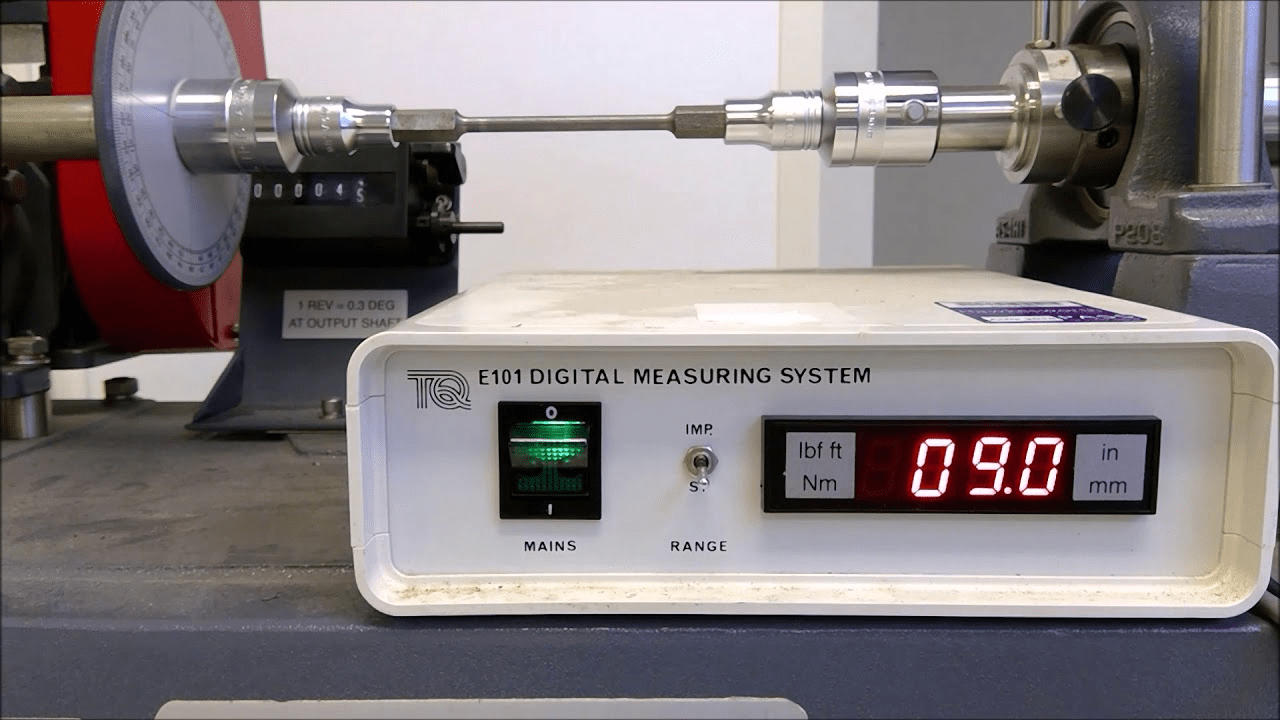
A torsion test demonstration (Image source)
Torsion tests subject a specimen to twisting forces, revealing shear strength and torsional rigidity—critical for shafts, gears, and fasteners.
Stress Testing
Stress testing is an umbrella term that combines multiple DT modalities to replicate the complex loading conditions a part will face during service. For example, a motor shaft might undergo both tensile and torsional loads simultaneously.
Aggressive Environment Testing
Components must perform in the environments they will encounter. Tests simulate temperature extremes, high humidity, saline exposure, and chemical attack to ensure long‑term integrity.
Residual Stress Measurement

Hole drilling as part of residual stress measurement (Image source)
Residual stresses—internal stresses present without external loads—can compromise fatigue life. Advanced techniques such as X‑ray, neutron, or synchrotron diffraction, as well as simpler hole‑drilling methods, quantify these stresses.
Destructive Testing Ensures Machine Reliability
Machine reliability hinges on the strength of its weakest link. DT confirms that every component meets or exceeds the required mechanical and chemical thresholds before it enters production.
Combined with robust design—fault tolerance, material selection, and manufacturing precision—DT results inform operating limits, maintenance intervals, and expected lifespans.
While destructive tests remove a specimen from service, the data they provide empowers maintenance teams to perform timely NDT inspections, extending asset life and reducing downtime.
Both DT and NDT are essential, serving complementary roles across the equipment life cycle—from design validation to in‑service monitoring.
Equipment Maintenance and Repair
- Industrial Applications of Tantalum and Its Alloys
- How Distance Sensors Work and Their Key Applications
- Understanding the AD8232 ECG Sensor: Functionality and Applications
- HC‑SR04 Ultrasonic Sensor: How It Works and Key Applications
- Interrupts Explained: Types, Mechanisms, and Applications in Modern Computing
- Embedded Systems: Definition, Architecture, and Real‑World Applications
- Shocks vs. Struts: How They Keep Your Vehicle Stable
- Applications and Properties of Manganese Steel: A Comprehensive Overview
- Reamer Tools: Types, Terminology, and Practical Uses
- Bucket Elevators: Key Benefits & Industrial Applications