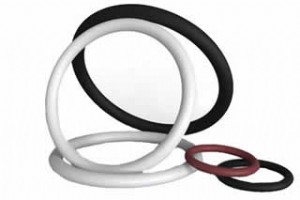
Industrial manufacturing
fiber

Glass fiber yarn, commonly referred to as fiberglass, is produced by melting raw silica‑based materials at temperatures around 1300 °C. The molten glass is then drawn through a filament extruder, resulting in fibers with diameters on the order of 10⁻⁶ m. Multiple strands are gathered and wound into
Fiberglass cloth is a high‑performance composite material whose core component is glass fiber yarn. The yarn is produced from glass raw materials—such as recycled glass or high‑purity glass beads—through a series of high‑temperature processes: melting, fiber drawing, winding, and weaving. Each indiv
When evaluating building materials, the safety of asbestos and glass fiber often comes under scrutiny. While both materials share similar appearance and industrial uses, scientific consensus and occupational studies show that glass fiber poses no cancer risk comparable to asbestos. 1. Composition &
The global market for glass‑fiber reinforced materials is projected to rise from $92.1747 billion in 2016 to $161.4384 billion by 2023, reflecting an average annual growth rate of 8.3 %. Key growth drivers include the expanding construction sector, heightened demand for green building solutions, and
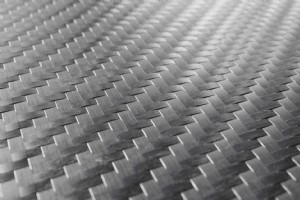
Carbon fiber has become indispensable in high‑performance applications—from aerospace to medical implants—thanks to its unrivaled strength‑to‑weight ratio and corrosion resistance. Despite its widespread adoption, many practitioners remain unaware of the meticulous steps that transform a raw precur
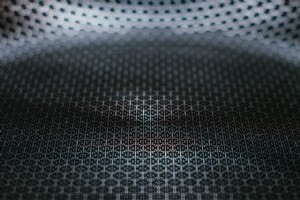
From the concrete that underpins our roads to the carbon‑fiber frames of high‑performance bicycles, composite engineering is the invisible backbone of modern life. By embedding strong fibers within a supportive matrix, engineers create materials that are lighter, stronger, and more resilient than t

The aerospace sector contributes roughly $734 billion to the global economy. Experts note that each million dollars in direct sales generates about six new jobs in the industry. Staying at the forefront of technology requires constant innovation. One of the most transformative shifts has been the a

Composite materials are reshaping modern manufacturing. By integrating fibers with matrix binders, they deliver superior strength, lightness, and durability across sectors. Following the U.S. Senate’s approval of a $1 trillion infrastructure bill, the American Composites Manufacturers Association (

The global carbon‑fiber market is projected to exceed a five‑billion‑dollar increase over the next decade. Its unique blend of strength, stiffness, and low weight drives this rapid expansion. Carbon fiber is a composite material made of extremely thin, crystalline carbon filaments twisted together

In high‑performance manufacturing, lightweight and high‑strength components are non‑negotiable. Carbon fiber composites meet these demands, and leading OEMs are turning to them for aerospace, medical, and automotive applications. Ready to explore whether carbon fiber parts can elevate your product

Compression molding and cast molding—often compared to injection molding—are cornerstone techniques in composite manufacturing. Choosing the right process depends on volume, part complexity, and cost objectives. Shared Advantages of Compression and Cast Molding Both techniques share low tooling cos

Finding high‑quality carbon‑fiber components is essential for delivering reliable, high‑performance products. Delays in sourcing the right material can stall production and erode profit margins. The COVID‑19 pandemic caused a sharp contraction in global carbon‑fiber demand, tightening supply chains

First developed in 1958 by Dr. Thomas E. Kempf at the University of Toledo, carbon fiber quickly became a game‑changer for aerospace, automotive, and medical sectors. Today, it remains the benchmark for high‑performance composites worldwide. Carbon fiber composites are engineered through a series o

Carbon fiber’s adoption is accelerating across automotive, aerospace, medical, and consumer goods. Its unique composition—linear chains of carbon atoms—delivers an exceptional strength‑to‑weight ratio that surpasses traditional metals. Because these materials are so demanding, experienced suppliers

Carbon fiber has become the benchmark for premium products across automotive, tech, luxury goods, and more, thanks to its versatility and performance advantages. Leading manufacturers are increasingly partnering with specialized suppliers to unlock the full potential of this advanced material. Want

Carbon fiber is a modern composite material prized for its exceptional strength‑to‑weight ratio. Its discovery in 1958 by physicist Roger Bacon—while experimenting with graphite—turned a laboratory curiosity into a cornerstone of high‑performance engineering. 1. Carbon Fiber in Airframe Design In a

Carbon fiber has emerged as a fundamental material in the aerospace and defense sectors, thanks to its exceptional strength‑to‑weight ratio and versatility. While many associate it with military applications, its reach extends far beyond—spanning commercial aviation, private aircraft, space explora

Carbon fiber has become an integral component of many everyday items—from jewelry and smartphones to luggage and sporting gear—thanks to its unique blend of strength, lightness, and durability. In the medical sector, these properties translate into lighter, stronger, and more customizable devices,

Did you know the global carbon‑fiber market is projected to rise from $4.7 billion in 2019 to $13.3 billion by 2029? This rapid growth reflects the material’s unmatched combination of strength and lightness, which makes it indispensable across many sectors. But what exactly is carbon fiber, and why
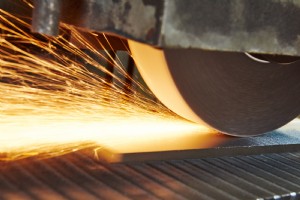
The space and aerospace sectors were early adopters of carbon‑fiber technology, and today it dominates the replacement of traditional materials such as aluminum and titanium in both structural and design applications. In particular, aircraft wings and fuselage sections increasingly rely on carbon‑f
fiber