Industrial manufacturing
fiber
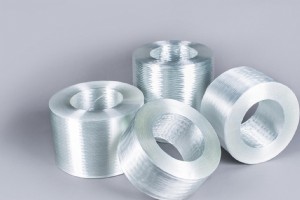
Glass fiber, an inorganic, non‑metallic material, offers unrivaled properties—non‑combustible, high temperature resistance, excellent insulation, high tensile strength, and robust chemical stability. These attributes make it indispensable in sectors ranging from aerospace and defense to construction
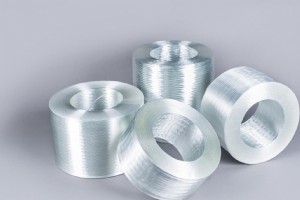
Both asbestos and fiberglass consist of microscopic fibers, yet their origins, properties, and health implications differ markedly. Understanding these distinctions is crucial for builders, manufacturers, and health professionals alike. Fiberglass—an engineered glass material introduced commerciall
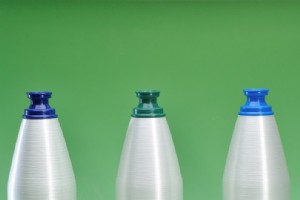
Fiberglass yarn, formed by twisting continuous glass fiber filaments, is the core raw material for a wide range of composite products. Its performance is governed by several critical parameters, each of which influences mechanical properties, processing behavior, and end‑use suitability. Below is
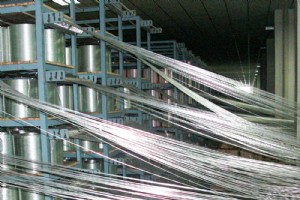
Physical Properties Glass fiber’s performance in service is defined by its physical, mechanical, and chemical characteristics. The smooth, near‑circular cross‑section of each fiber results in minimal inter‑fiber cohesion, influencing matrix bonding in composites. Appearance and Form S

Composite materials combine the best traits of their constituents—lightweight, high strength, durability, and recyclability—while offering environmental benefits. Glass fiber fabric embodies these same advantages, making it a cornerstone of modern composites. A composite is created when a binder,
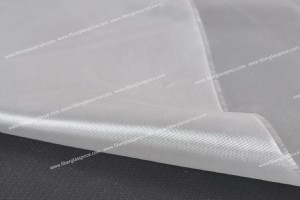
Fiberglass fabric—crafted from high‑purity glass fiber yarn—offers unmatched performance as an inorganic, non‑metallic material. Its inherent insulation, high‑temperature tolerance, corrosion resistance, and superior mechanical strength make it indispensable for both electronic and industrial solut

Modern surfboards are engineered for speed, control, and durability. They typically measure 1.5–2.7 m in length, 60 cm in width, and 7–10 cm in thickness, weighing between 50–60 kg. These dimensions give the board a lightweight, flat profile with a slightly tapered nose and tail, and a stable fin
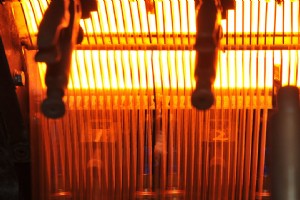
Glass fiber has long been prized for its exceptional physical properties, dating back to its early use in glass production. Commercial manufacturing of glass fiber filaments began in 1930, expanding its application in composite materials due to its outstanding characteristics. To meet diverse indu

What Are Composite Materials? A composite material is a synergistic blend of a reinforcing mineral—such as glass, carbon, or aramid fibers—with a polymer resin matrix. This combination yields a new material whose mechanical, thermal, and electrical properties exceed those of either constituent alo
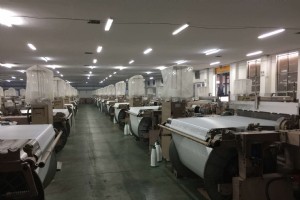
Glass fiber, an engineered inorganic composite, combines exceptional physical and chemical stability with high mechanical strength. This article provides a comprehensive overview of its evolving applications, highlighting how its unique attributes drive sustainable economic growth. 1. Substituting
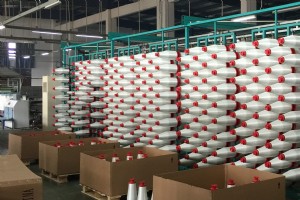
In China, glass cloth is produced in two primary chemistries: alkali‑free and medium‑alkali. Internationally, alkali‑free variants dominate the market. Glass cloth is indispensable for electrical insulating laminates, PCBs, vehicle bodies, storage tanks, marine hulls, and molds. Medium‑alkali clot
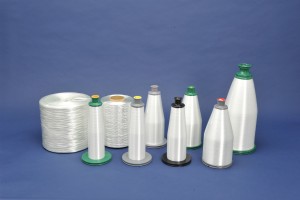
Glass fibers come in a variety of forms, each tailored to specific performance requirements. Their classification can be approached from several angles—raw material composition, monofilament diameter, and final appearance. Understanding these distinctions is essential for selecting the right fiber
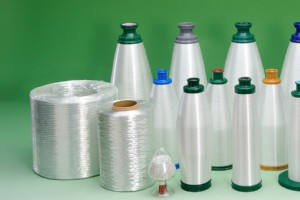
Glass Fiber Roving: Types, Specifications, and Key Applications Glass fiber roving is a bundle of parallel strands produced without twisting. It is a foundational material in the glass fiber industry, prized for its superior antistatic properties, moisture resistance, and excellent bundling and ba
Glass-fiber cloth is prized for its electrical insulation and structural strength, making it a key reinforcement in epoxy composites. Manufacturers of epoxy boards rely on two primary raw materials: glass-fiber cloth and resin. While resin prices fluctuate with market conditions and are publicly tra
High‑temperature glass fiber cloth tape is a composite of premium glass fiber cloth and high‑performance silicone. It is engineered to withstand extreme temperature ranges from –50 °C to 260 °C, making it ideal for demanding heat‑resistant applications. With exceptional adhesion, toughness, and tear
When engineering for strength and lightness, the choice of material is critical. Fiberglass cloth, combined with resin, yields a composite that rivals steel in tensile strength while weighing far less. These properties make it ideal for high‑performance applications such as ships, surfboards, and wi
Fiberglass adhesive tape combines a 0.14 mm glass cloth with a 0.18 mm ± 0.01 mm high‑performance silicone adhesive, delivering exceptional strength and durability across a broad temperature spectrum. Key Characteristics Temperature range: –50 °C to 260 °C (industrial‑grade heat resistance) Excelle
Our high‑temperature fiberglass adhesive tape delivers reliable performance from –40 °C to 260 °C, meeting the most demanding industrial conditions. Crafted from premium glass cloth, the tape combines superior heat tolerance with exceptional adhesion and tear resistance, ensuring a secure bond even
Glass fiber cloth is produced at scale, and the high‑speed weaving process often leaves short fibers—commonly referred to as hairiness—on the fabric surface. During primary and secondary desizing, residual slurry hardens and becomes brittle during the subsequent burn‑off step. This brittle residue i
Fiberglass cloth is a cornerstone of modern composite manufacturing, and it primarily falls into two categories: E‑glass and C‑glass. Each type offers distinct mechanical, electrical, and chemical attributes that make them suitable for specific industrial roles. E‑Glass Fiberglass Cloth E‑glass fibe
fiber