Industrial manufacturing
fiber

Fiberglass, or Fiber‑Reinforced Plastic (FRP), is now a staple in every waterpark—from access towers and sump covers to ADA‑compliant seating and pathways. Chlorinated pool water is highly corrosive, and FRP’s resistance to chemical attack makes it the safest and most durable choice for these envir
Structural FRP can be assembled with simple hand tools such as drills and circular saws. Components are joined mechanically, typically using 3/16 stainless steel bolts. Because FRP weighs only one‑third of steel, the need for heavy equipment, riggers, or crane operators is eliminated, making install
When selecting materials for industrial structures—bridges, docks, platforms, or safety walkways—performance and long‑term value outweigh upfront cost. Traditional options like wood, steel, and aluminum each have strengths but also notable drawbacks: steel corrodes, wood warps or rots, and alumin
Structural fiberglass, a high‑performance fiber‑reinforced polymer (FRP), is rapidly becoming the material of choice across diverse sectors. Its combination of lightweight, superior strength, and exceptional durability—resisting corrosion, rot, and extreme environmental conditions—makes it ideal fo
Absolutely—FRP is increasingly adopted in commercial and industrial construction, spanning bridges, walkways, and beyond. The success of any building hinges on the materials selected. A careful analysis of project specifications—including environment, intended use, and budget—guides the choice of t
Fiberglass reinforced plastic (FRP) is increasingly favored for sunshade applications across commercial buildings, thanks to its aesthetic flexibility and engineering performance. In high‑density metro areas, office tenants face steep rents and rising utility bills—especially during hot summer mont
Yes, FRP can break, but only under extreme conditions—just like any engineered material.Fiber‑reinforced plastic (FRP) has become a cornerstone of modern manufacturing, from home renovation to heavy industry. Its exceptional strength‑to‑weight ratio, corrosion resistance, and versatility keep it in
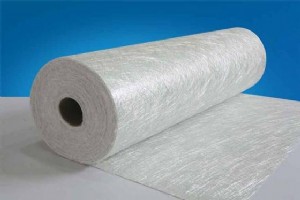
Fiberglass is a composite material made from extruded glass filaments. The versions used in automotive and marine construction differ from those intended for insulation. Rigid fiberglass is typically bonded with epoxy resin. The main distinction between fiberglass cloth and mat lies in their constru
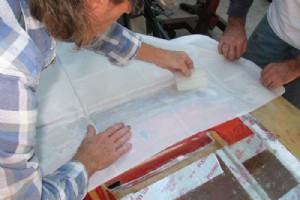
Fiberglass cloth is a lightweight, tightly woven material prized in marine and composite construction for its ability to form a strong, waterproof, and paint‑ready surface. Whether you’re repairing a boat hull, reinforcing a structural panel, or crafting a custom composite part, the application proc
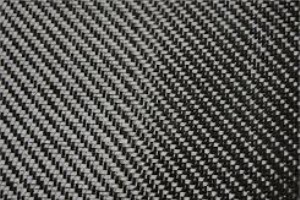
CARBON FIBER VS. GLASS FIBER What Is Carbon Fiber? Carbon fiber is a composite made from extremely thin strands of carbon atoms bonded into long chains. When twisted together, these strands form yarns, which can be woven into fabrics and subsequently molded into virtually any shape by applying h
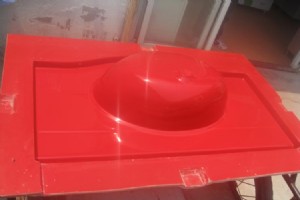
Creating a fiberglass mold is straightforward, yet it requires patience and attention to detail. A well‑made mold can be reused many times, saving time and cost on future projects. Below is a professional, step‑by‑step process for fabricating a durable fiberglass reinforced plastic (FRP) mold. Each
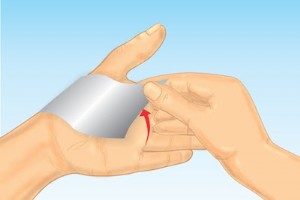
Fiberglass is a common construction material that can leave tiny, sharp glass fibers embedded in skin. While protective clothing—long sleeves, pants, boots, and heavy‑duty gloves—reduces exposure, splinters still find their way into fingertips and other exposed areas. The following step‑by‑step meth

Fiberglass is a versatile material prized for its strength, lightweight, and chemical resistance, making it essential in aerospace, automotive, construction, and marine sectors. 1 Batching Fiberglass production begins with precise batching, where natural minerals and engineered chemicals are weighe

When selecting a shade fabric, the two most common choices are fiberglass and polyester. This article evaluates them across three essential performance criteria to help you make an informed decision. 1. Dimensional Stability Characteristics Fiberglass does not stretch, shrink, or twist, even under
Fiberglass fabric (also called cloth) is woven from C and E glass fibers using five fundamental weave patterns: plain, leno, satin, twill, and basket. This strong, durable textile is widely employed in industrial settings. Its unique properties make it ideal for a variety of applications, including
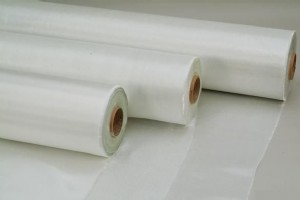
Fiberglass cloths are woven from high‑strength fiberglass yarns and serve as the backbone for fireproofing, heat‑insulation, and composite materials across a wide array of industrial sectors. 1. Chemical ResistanceLike glass itself, fiberglass cloth does not rot, mildew, or degrade, offering except
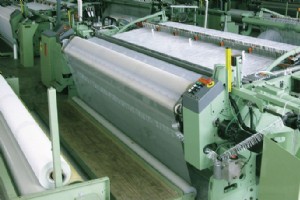
This guide offers a concise yet authoritative overview of how to weave fiberglass cloth. Weaving is a textile production technique that interlaces two distinct sets of yarns or threads at right angles to create a durable fiberglass fabric or cloth structure on a loom or weaving machine. On the loom,

Fire Damage and Prevention Fire remains one of the most devastating threats to public safety worldwide. As the saying goes, “Fire and water have no mercy.” In today’s society, a blaze can quickly spread, endangering lives, homes, and businesses. According to the UN World Fire Statistics Center, the
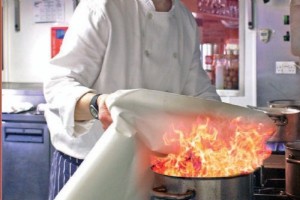
Fire blankets are high‑temperature fiberglass fabrics that are lightweight, soft, and provide a heat‑resistant barrier. Ideal for smothering small fires—kitchen, electrical, or gas flames—fire blankets eliminate secondary pollution, making them a superior alternative to conventional extinguishers fo
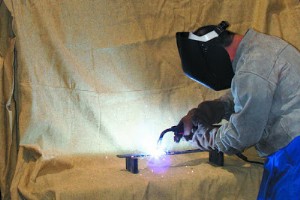
Welding generates high‑temperature sparks and flames that can harm people and nearby objects. A welding blanket offers reliable protection. Construction—The blanket is made from high‑thickness, tightly knitted fiberglass that resists heat. It’s designed for both industrial and civil welding applicat
fiber