Industrial manufacturing
fiber

Carbon fiber, first developed in 1958, has reshaped industries from high‑performance sports equipment to aerospace engineering. Its combination of unmatched strength and low weight makes it indispensable in modern manufacturing. Below, we outline three core attributes that explain why carbon fiber

Jewelry has always been a powerful form of personal expression, evolving alongside culture and technology. Today, one material is redefining what a piece can be: carbon fiber. While gold, silver, and titanium have long dominated the market, carbon fiber offers a host of advantages that make it the

Carbon fiber, renowned for its exceptional strength‑to‑weight ratio, powers everything from high‑performance cars to cutting‑edge aircraft. Its unique properties make it the material of choice for premium phone cases that deliver uncompromised protection. With a growing demand for durable yet sleek

Carbon fiber, renowned for its exceptional strength‑to‑weight ratio, has been a cornerstone of aerospace and automotive design for decades. Today, its versatility is extending into everyday consumer products, delivering durability and a sleek, futuristic look. These advantages open up a whole new s

Woven carbon fiber is a cornerstone of today’s high‑performance manufacturing. Produced from precursor fibers—primarily rayon and polyacrylonitrile (PAN)—the material undergoes heating, stretching, and carbonization to create ultra‑strong, ultra‑light filaments. Engineers and designers worldwide r

Carbon fiber products are experiencing rapid growth. The global market is projected to reach $7.8 billion by 2024, expanding at a CAGR of 10.6%—a trend driven by aerospace, wind energy, defense, and automotive sectors that demand stronger, lighter materials. In this article we explain what carbon f

Composite materials—simple blends of two or more constituents—deliver tailored properties that meet industry demands from aerospace to civil engineering. In the sections below, we detail the most common composites, highlight their environmental credentials, and point you to a reliable supplier: SMI

Carbon fiber has become the gold standard for high‑performance automotive design, yet its roots trace back over a century to early 19th‑century science. The Origins of Carbon Fiber In 1860, Joseph Swan discovered carbonized paper that could serve as a filament for electric light bulbs. Collaboratin

Carbon fiber remains unparalleled in performance and versatility. Understanding its production reveals a meticulous blend of chemistry, engineering, and precision. Read on to uncover every step—from raw polymer to high‑strength yarn. Foundations: From Polyacrylonitrile to Pre‑Carbon Fibers The jour
Carbon fiber, discovered in 1958, has long captivated engineers with its exceptional combination of strength, lightweight, and stiffness. It boasts ten‑times the tensile strength of steel while weighing only a fraction of the mass, making it indispensable in automotive and aerospace design. In 198

Carbon, the backbone of life, has become the cornerstone of modern aerospace innovation. Its unique blend of extraordinary tensile strength, low density, and versatile formability has unlocked new possibilities across the industry—from interplanetary exploration to the skies of tomorrow. Below are

Composite manufacturing is a rapidly expanding sector that contributes $22 billion to the U.S. economy each year, underscoring the abundance of qualified vendors available today. But how can you identify the vendor that best aligns with your company’s needs? Random selection isn’t an option when qu
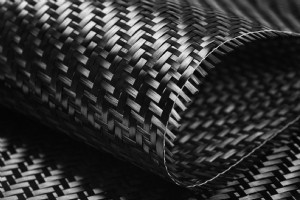
Carbon fiber—known for its exceptional strength-to-weight ratio—has traditionally been expensive. Industrial‑grade fiber once cost up to $15 per pound, but today it can be purchased for as little as $7 per pound. What’s driving this price shift? Advances across the supply chain—from raw materials a

Today’s manufacturing landscape relies heavily on casting, whether creating intricate sculptures, precision equipment, or advanced composite materials like carbon fiber. Understanding the fundamentals of this time‑tested process is essential for engineers, designers, and artisans alike. Casting Pro

The automotive manufacturing sector is intensely competitive, generating $108 billion in revenue in 2020 alone. Leaders in the industry must therefore seek innovative, cost‑effective solutions that keep their products ahead of the curve. This article delivers a comprehensive look at how carbon fibe

Did you know the earliest composites date back 4,000 years, made from mud and straw? Today, manufacturers consume 65,000 to 85,000 metric tons of carbon‑fiber composites annually. As composite usage grows, staying informed is essential. Read on to discover how composite science drives modern enginee
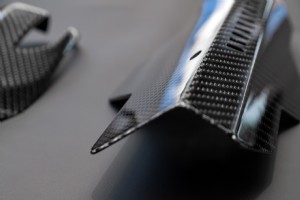
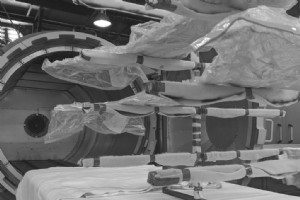
For decades, autoclave systems have powered critical processes across textile, timber, food, and medical sterilization. Today, their role has expanded into advanced composites and investment casting, demanding higher precision and reliability. Below are proven strategies to elevate both the manufac
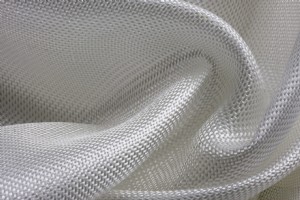
Although the fiberglass sector remains lean in workforce, its demand continues to soar. Engineers across maritime, automotive, aerospace, and many other industries rely on fiberglass for its unmatched performance. When evaluating a new project, understanding fiberglass’s intrinsic properties is cri

\nFiber composites have evolved through numerous manufacturing techniques, unlocking new performance frontiers. When a carbon‑fiber reinforcement is bonded to an advanced resin matrix, the resulting material surpasses traditional metals such as iron, steel, aluminum, and titanium in both strength an
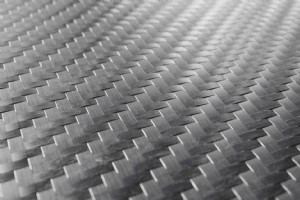
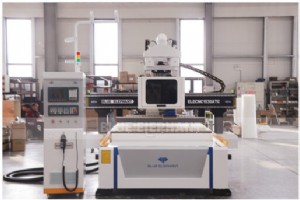
Carbon fiber has become a staple in aerospace and automotive design thanks to its exceptional strength‑to‑weight ratio, durability, and corrosion resistance. As the material’s use expands, so does the need for precise machining techniques that preserve its performance characteristics. Industry prof
fiber